

First Look: The Beitong KP20D — $40 for TMR Sticks?
Hey everyone, this is Ray from GadgetHyper.
I don't usually rush to post the second a package arrives, but I just unboxed the new Beitong KP20D (the refreshed version of the KP20) from China. I've spent the last hour or so putting it through its paces, and the initial experience was interesting enough that I wanted to share a quick "first look" while the impressions are still fresh.

For some context, Beitong (or Betop) is essentially the "OG" of gaming peripherals in the Chinese market. I picked this unit up for a friend who is just transitioning to controller gaming for titles like Wuthering Waves and Honkai: Star Rail. He isn't looking for a spreadsheet of technical specs; he just needs something durable, high-value, and reliable.
Since I'll be handing this over to him soon, this isn't a deep-dive review—just my immediate, out-of-the-box thoughts.
Aesthetics and Build: Honest and Functional
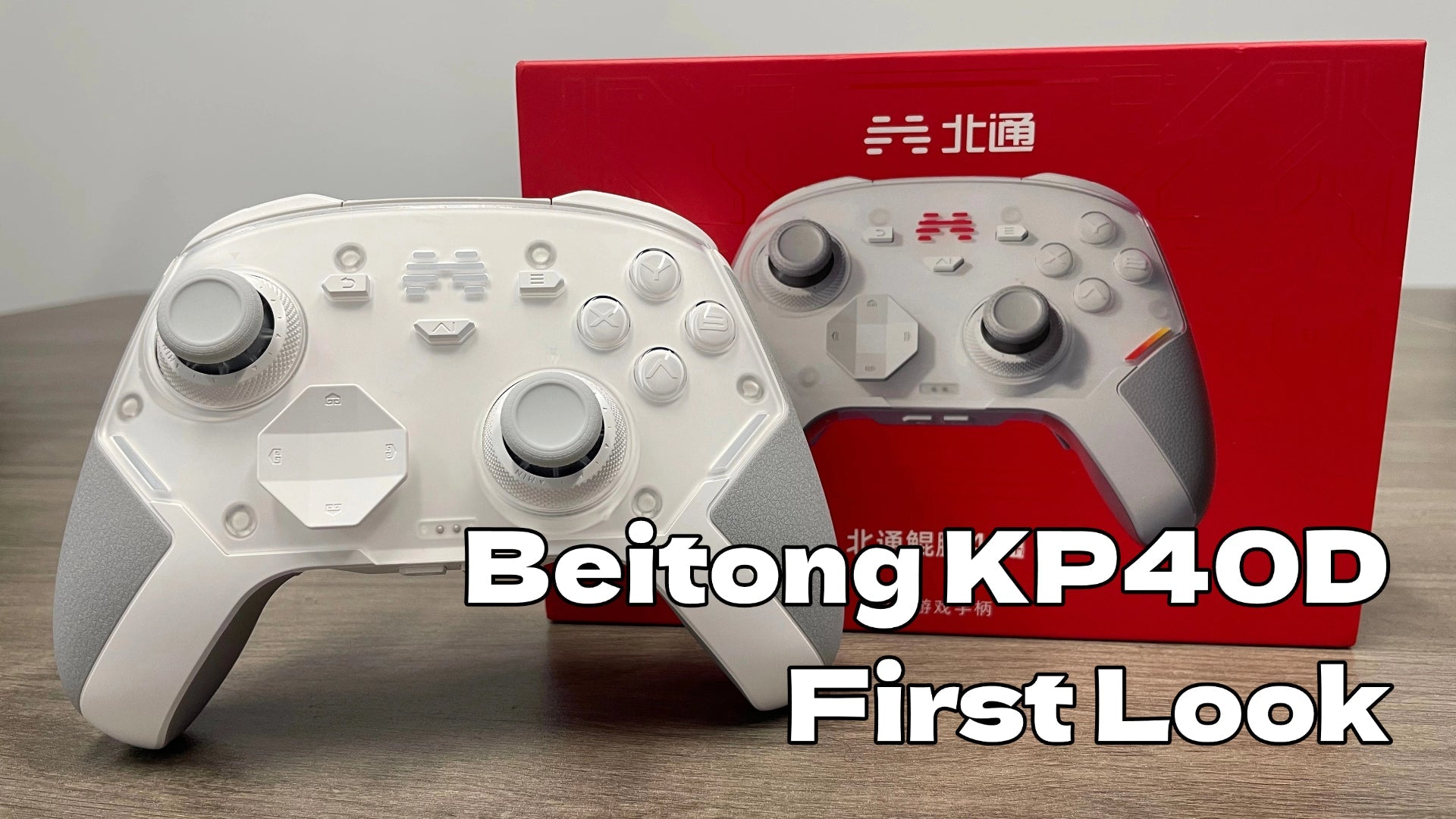
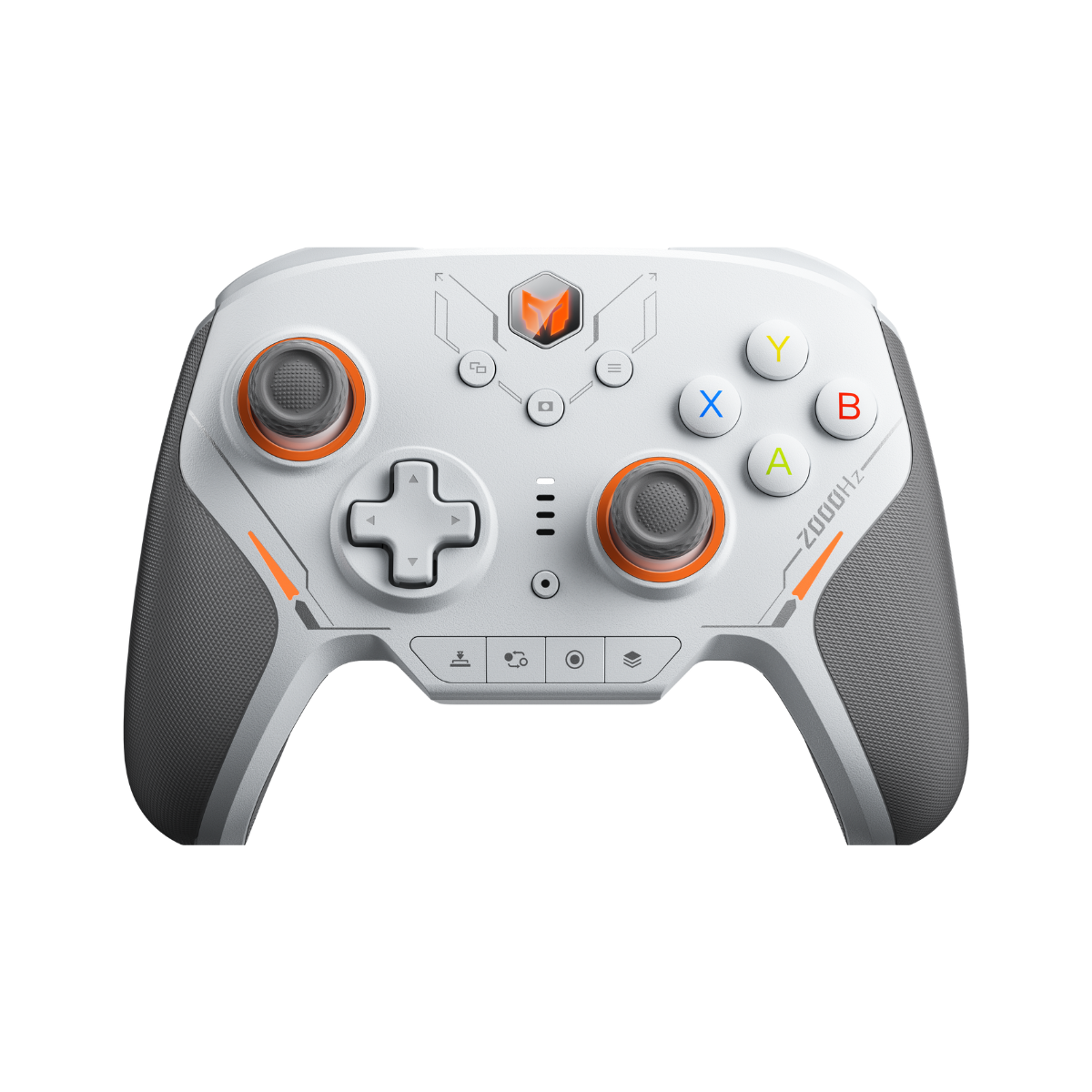
The unit I have is the "Snow White" version. It's a very clean, minimalist aesthetic—no RGB, no aggressive "gamer" accents. Just functional textures on the grips and thumbsticks.

Ergonomics
My first reaction when picking it up: it feels notably large. I have relatively small hands, and the grips are quite long. While this provides solid palm support, it definitely has a "presence" in the hand.
The back design is where you see the cost-cutting. Unlike the more premium KP40D, the KP20D is a bit "boxy" and angular on the rear, and you can see six exposed screw holes. It's a very "honest" build—they clearly didn't spend the budget on hiding the manufacturing reality. While it doesn't win awards for a luxurious hand-feel, it's a very reasonable trade-off at the ~$40 price point.

The Technical Highlights: Punching Above Its Weight
What actually surprised me as soon as I started playing was the tech Beitong managed to cram into an entry-level controller:
- TMR Sticks + Tension Rings: It's rare to see TMR (Tunnel Magnetoresistance) sensors in this bracket, let alone physical tension adjustment rings. The default damping is quite tight, and the rings have a diamond-knurled texture that makes them easy to grip. They feel secure and don't feel like they'll slip during a session.
- Dual-mode Triggers: I'm happy to see the "Microswitch/Hall Effect" toggle trickling down from their flagship models. Whether you're spamming dodges in an ARPG or modulating throttle in a racer, it handles both adequately right out of the box. There's even a vibration motor inside the trigger, which adds a nice layer of feedback.

The Compromises
To keep it grounded, there are definitely areas where the budget was trimmed to hit that $40 mark:
- No Anti-friction Rings: The sticks lack metal rings, so there's a long-term risk of plastic-on-plastic wear.
- Expansion: You only get two remappable back buttons.
- The Charging Dock: While it works with the universal KP40/70 series dock, it doesn't feel like the most stable fit. It requires a bit of care to ensure it's seated correctly.

Wrap Up
Again, this is just a "first impression" report. It isn't a "pro" controller, and it doesn't try to be. But as a tri-mode (2.4G/BT/Wired) entry-level option, it feels like a very strong contender.
For $40, the KP20D puts the money exactly where a player needs it—the sensors and the triggers—while cutting corners in places that don't affect the actual gameplay. If you're looking for a solid first controller for yourself or a friend, this is a very practical choice.


Got Questions About the KP20D?
I'll be sticking around the comments for a bit if you have any quick questions about the feel or the setup. Drop your thoughts below!