





























Best Budget Gaming Controller Under $50: Direwolf 4 vs KP20D
GadgetHyper Team
June 9, 2026 · Budget Controllers · Under $50
Hey everyone, Ray here from GadgetHyper. The sub-$50 controller market is an absolute bloodbath right now. It used to be that buying a budget pad meant settling for mushy membranes and inevitable stick drift. Now, budget controllers are shipping with tech that flagships didn't even have two years ago.
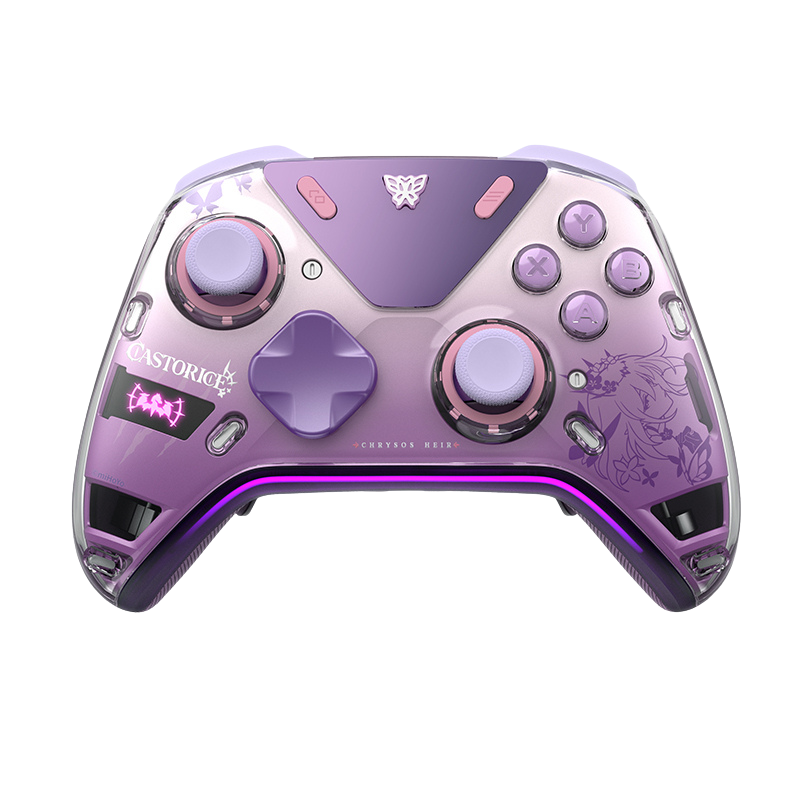
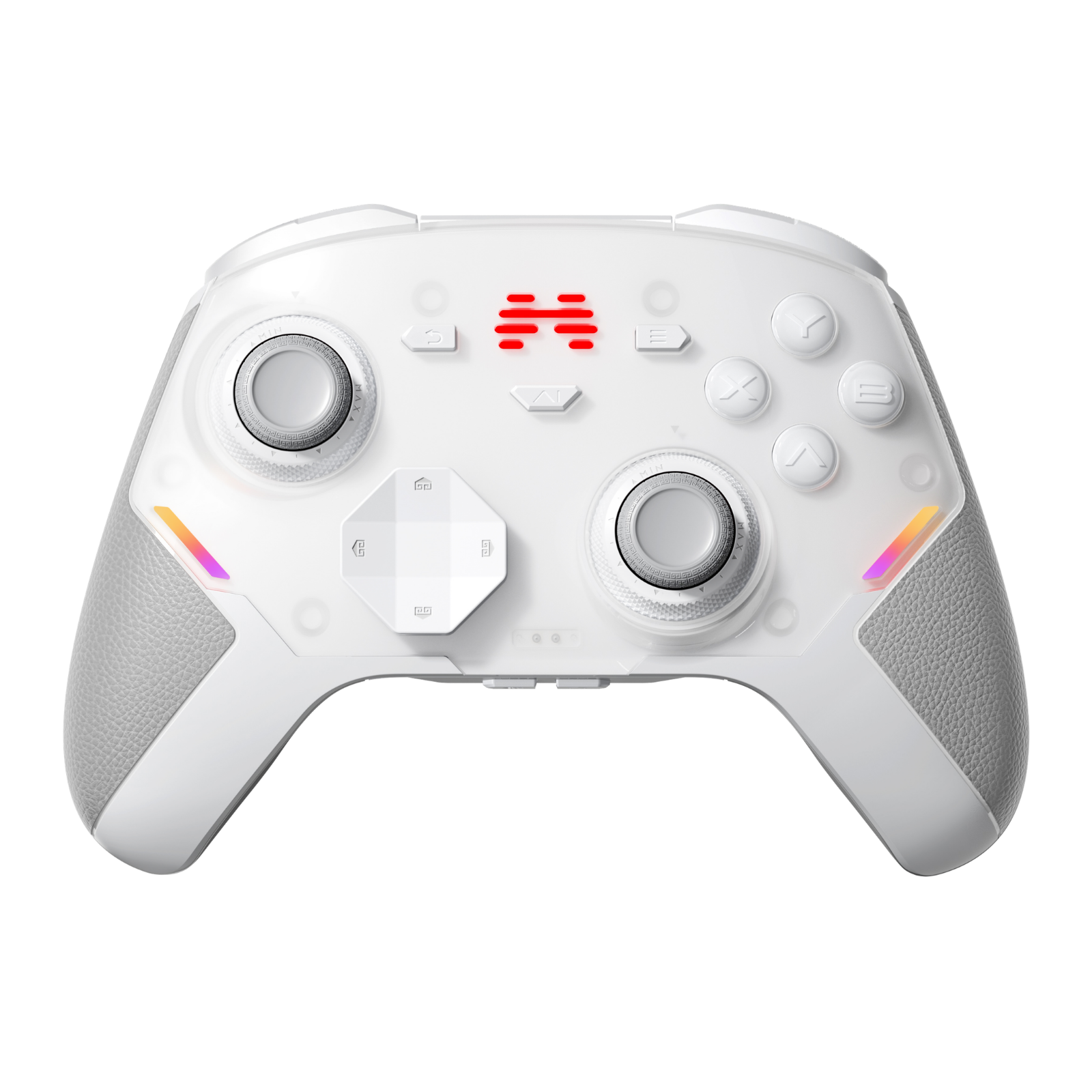
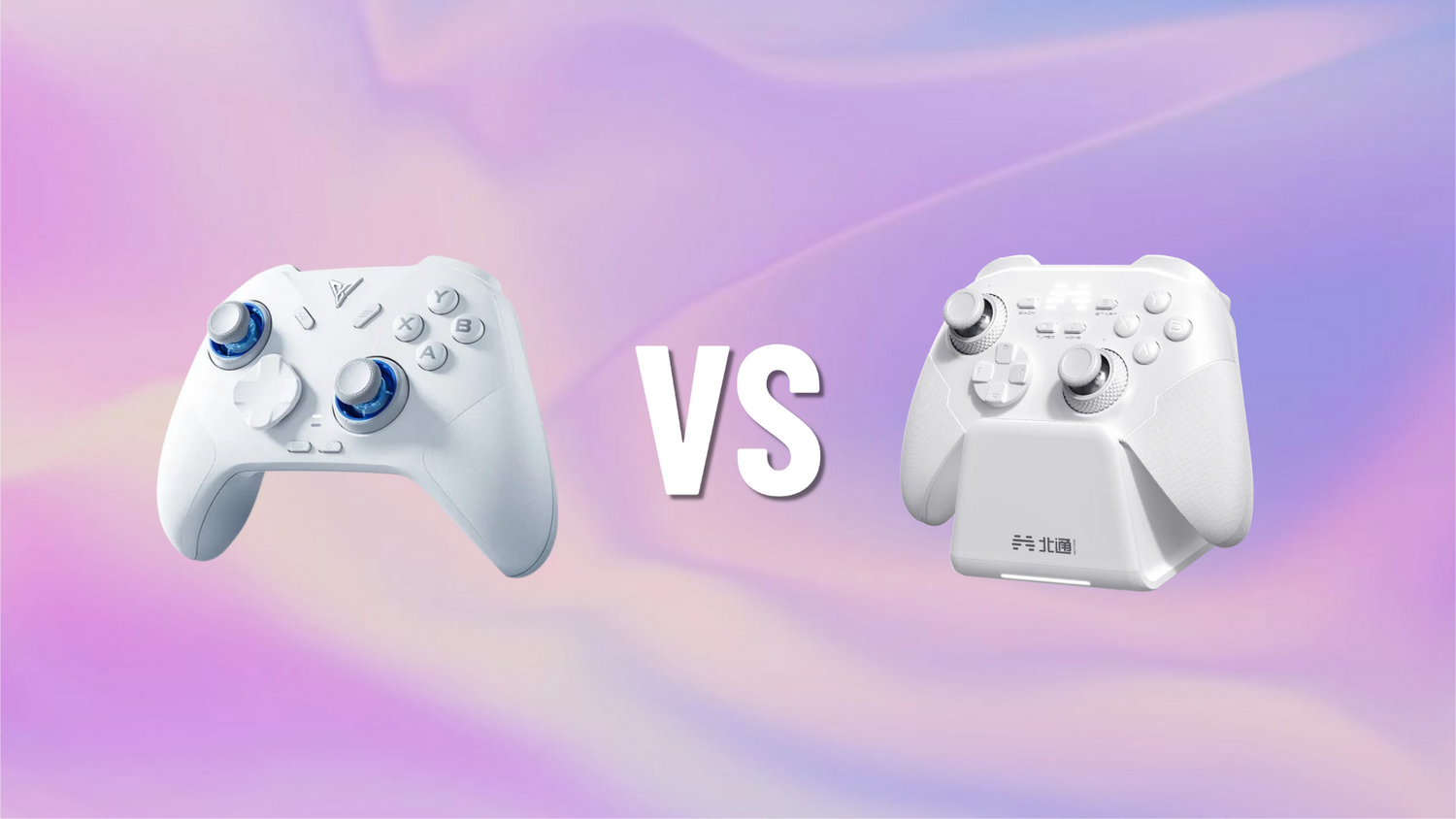
I recently got my hands on the Beitong KP20D ($49.99) and the newly refreshed Flydigi Direwolf 4 ($39.99). After putting both through their paces and gathering community feedback, here is an honest, no-BS comparison.
On paper, Beitong looks like a spec-sheet monster. But in the hand? Flydigi might have just pulled off the ultimate budget heist by robbing their own flagships.

Premium Refinement vs. "Honest" Cost-Cutting
Let's be real — how a controller fits in your hand matters more than any spec sheet.
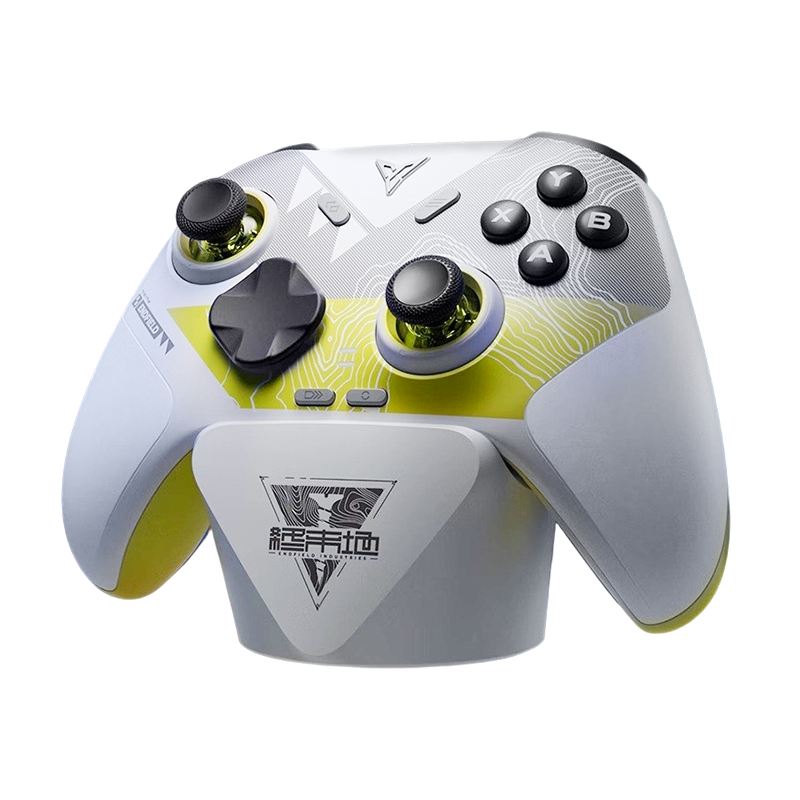
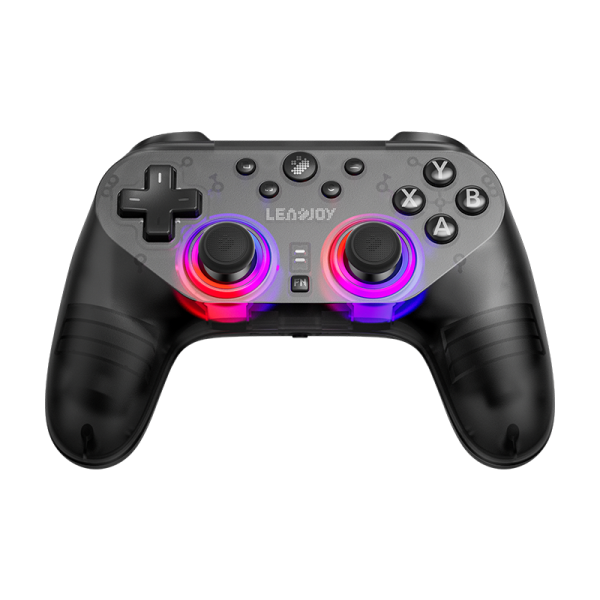
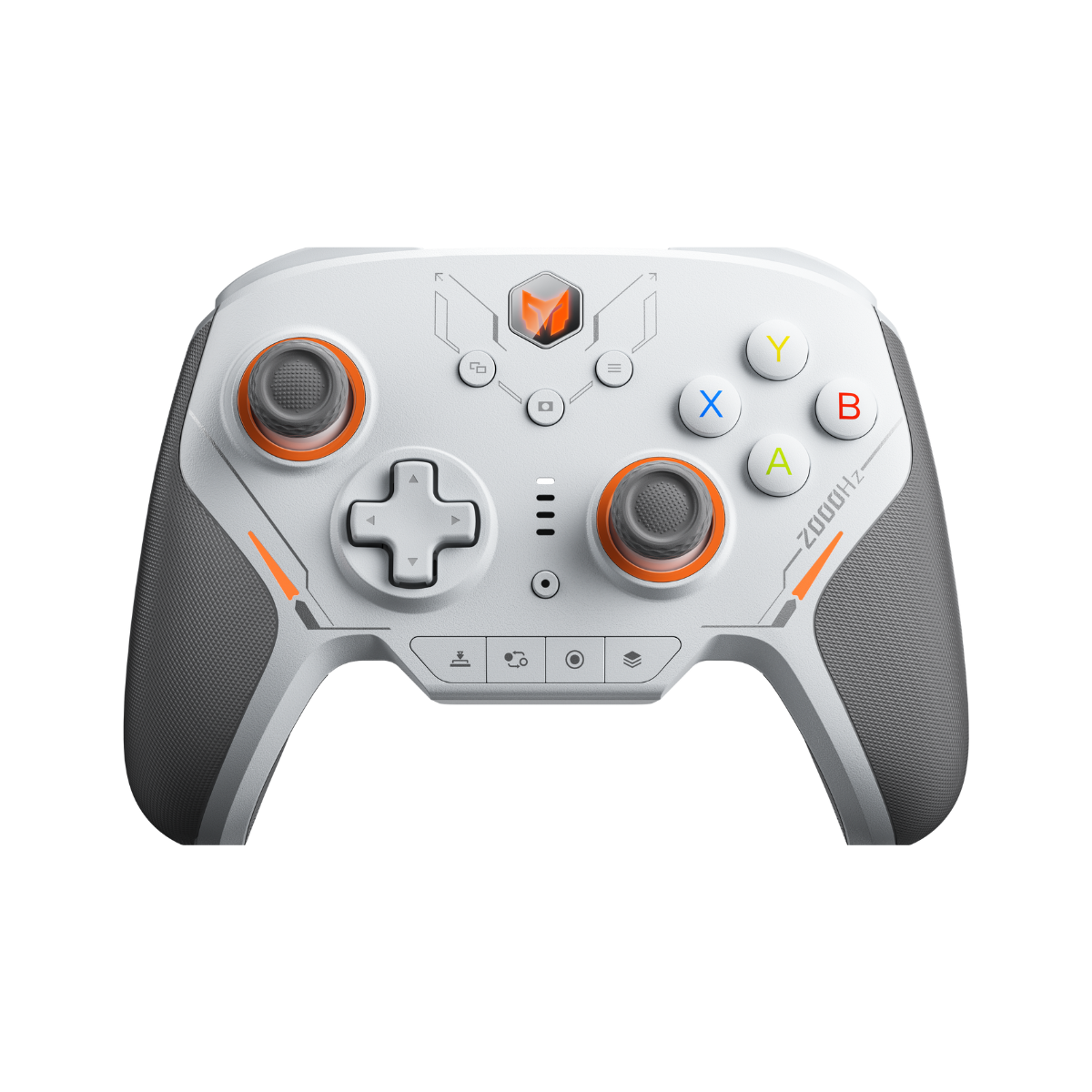
Flydigi Direwolf 4
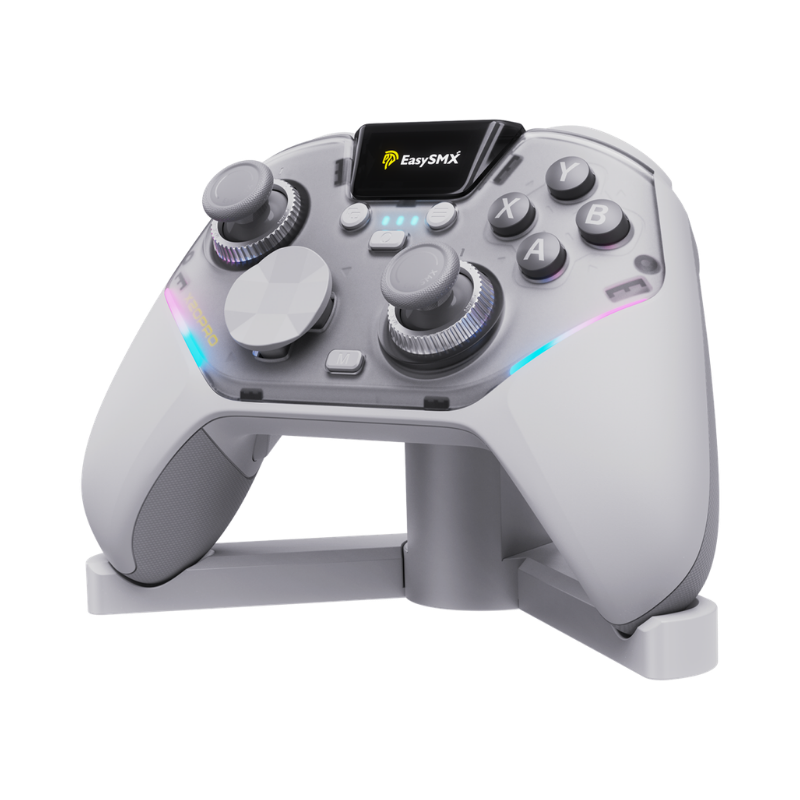
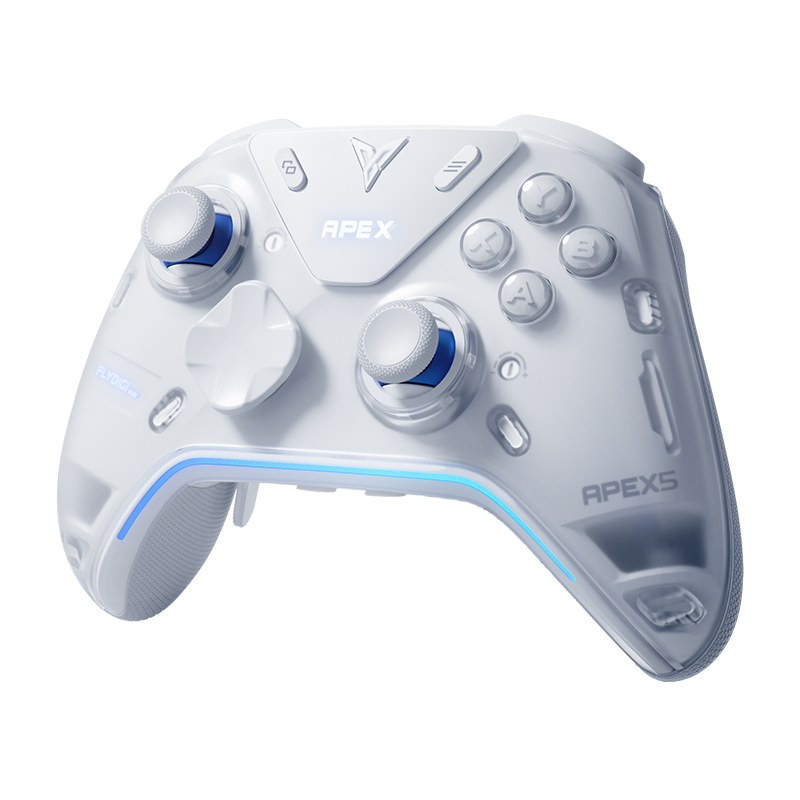
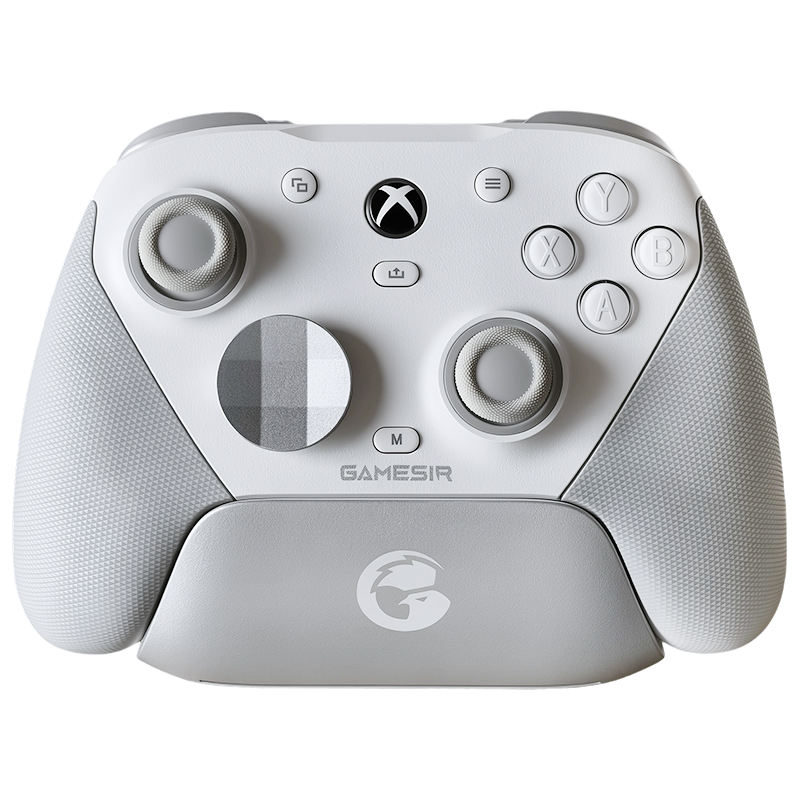
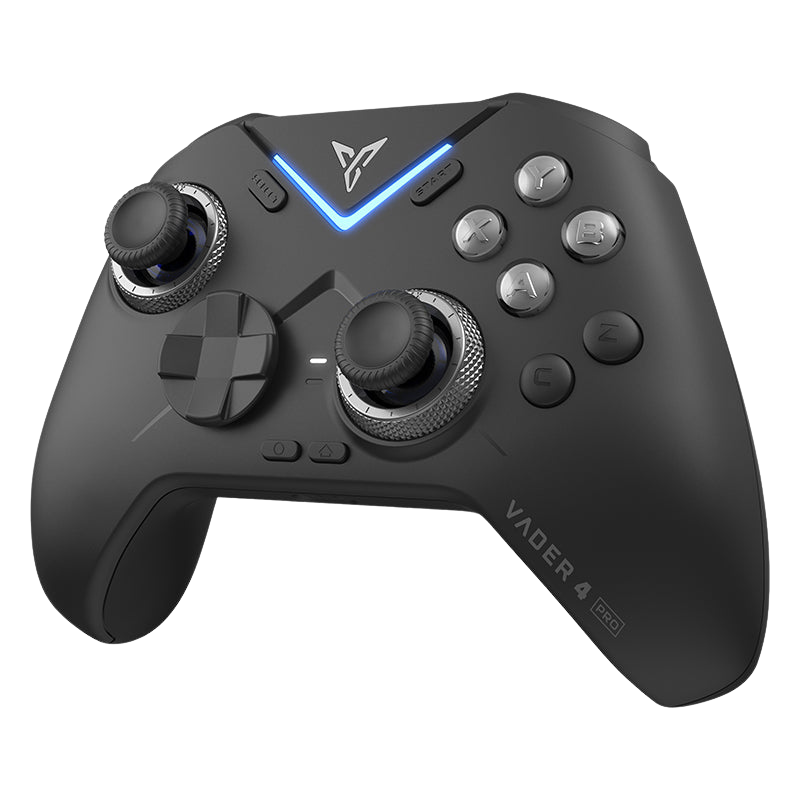
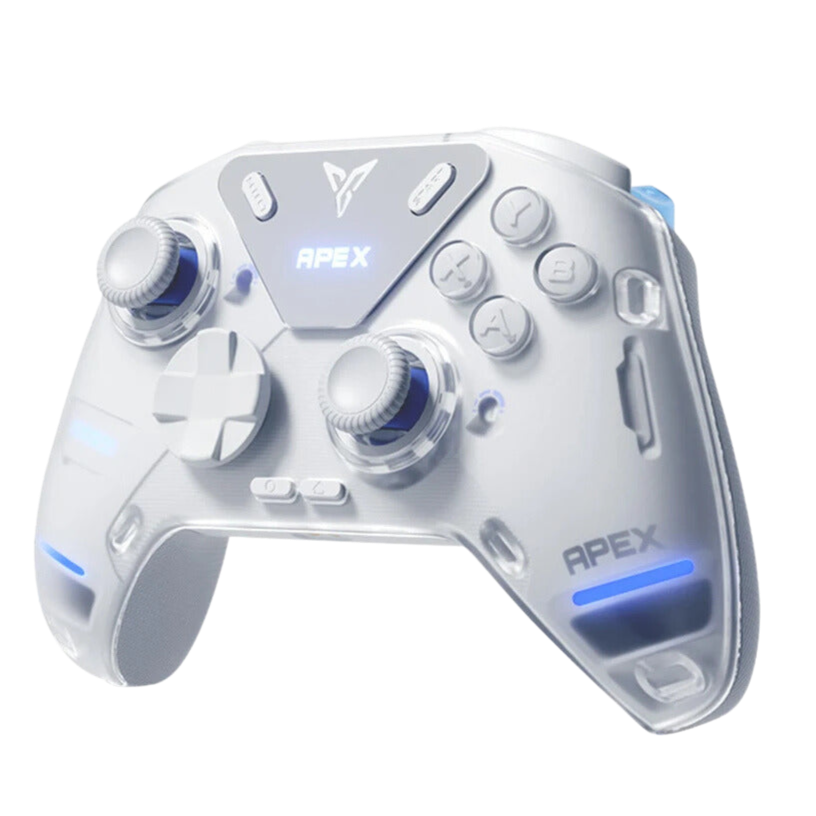
Borrows heavily from the Apex 4 and Vader 4 Pro aesthetic — clean white matte shell, hidden screw holes (filled with silicone plugs), and a beautifully integrated Home logo button. Incredibly lightweight, well-balanced, and fits like a glove for medium-to-large hands without causing fatigue during long sessions.
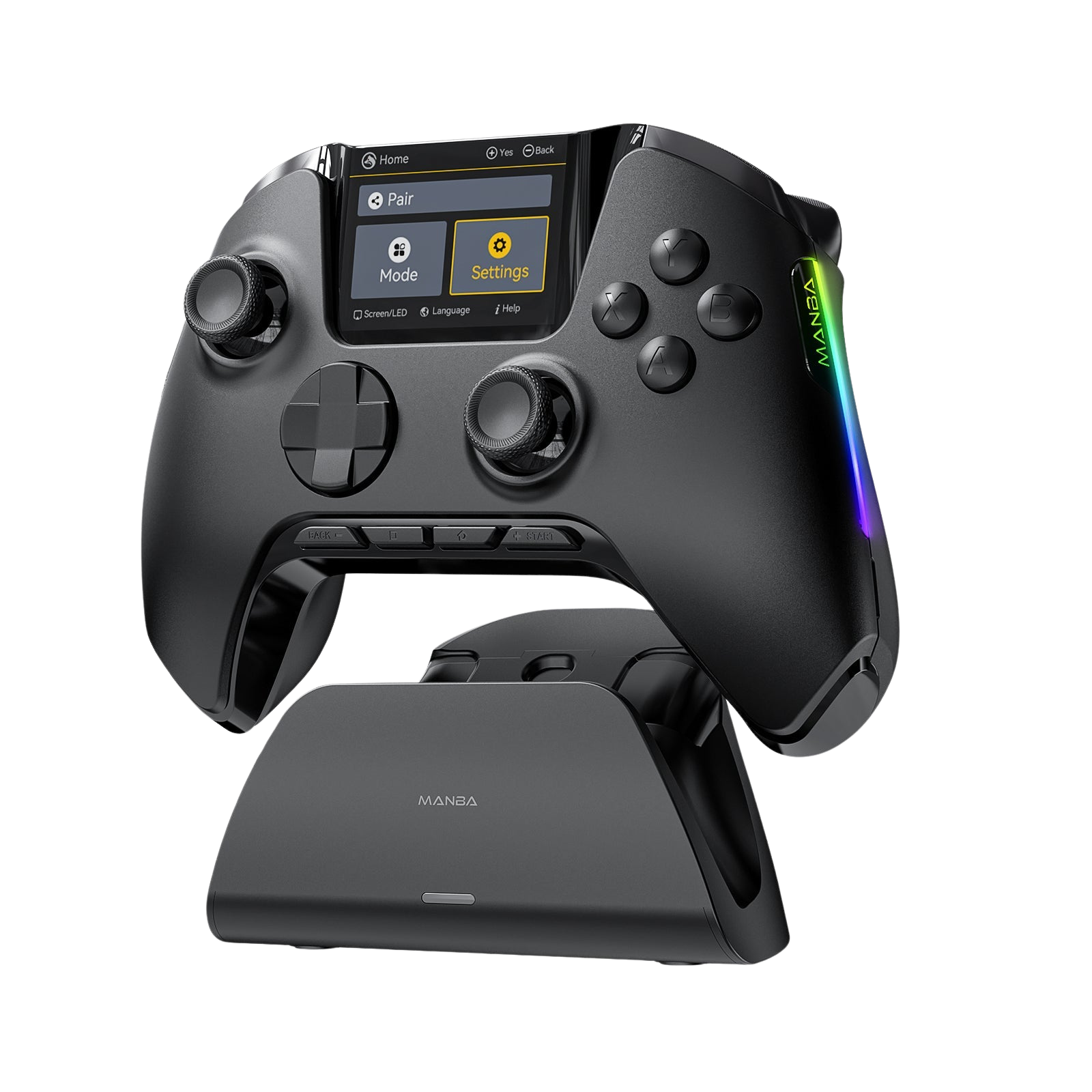
Beitong KP20D
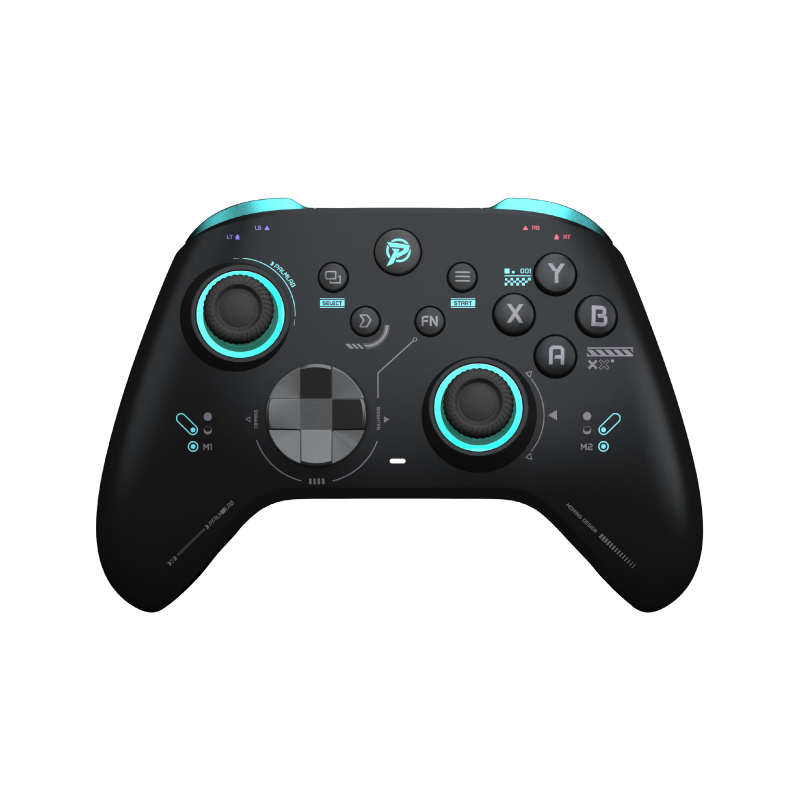
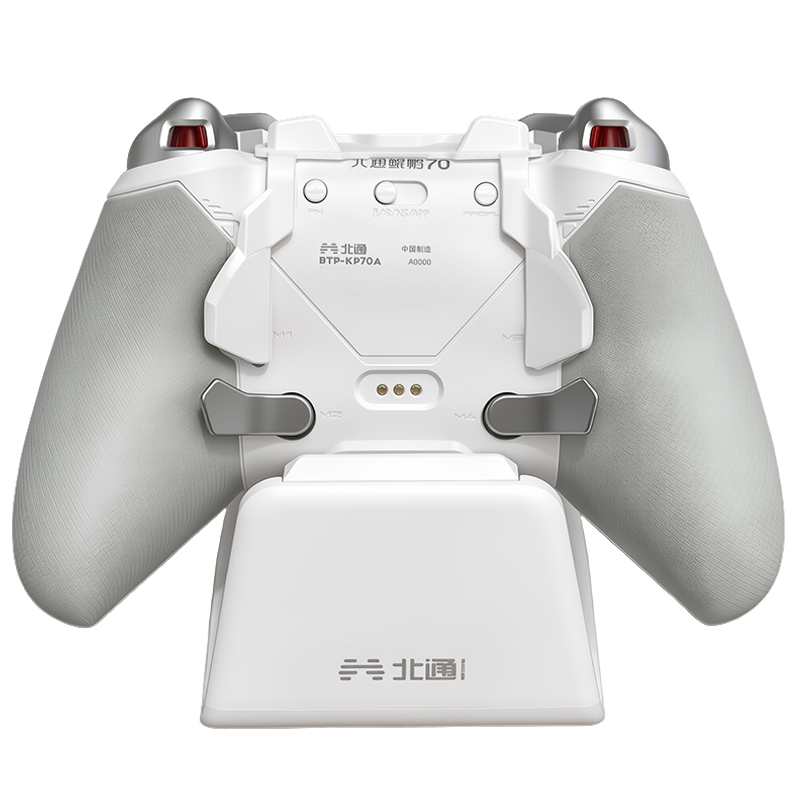
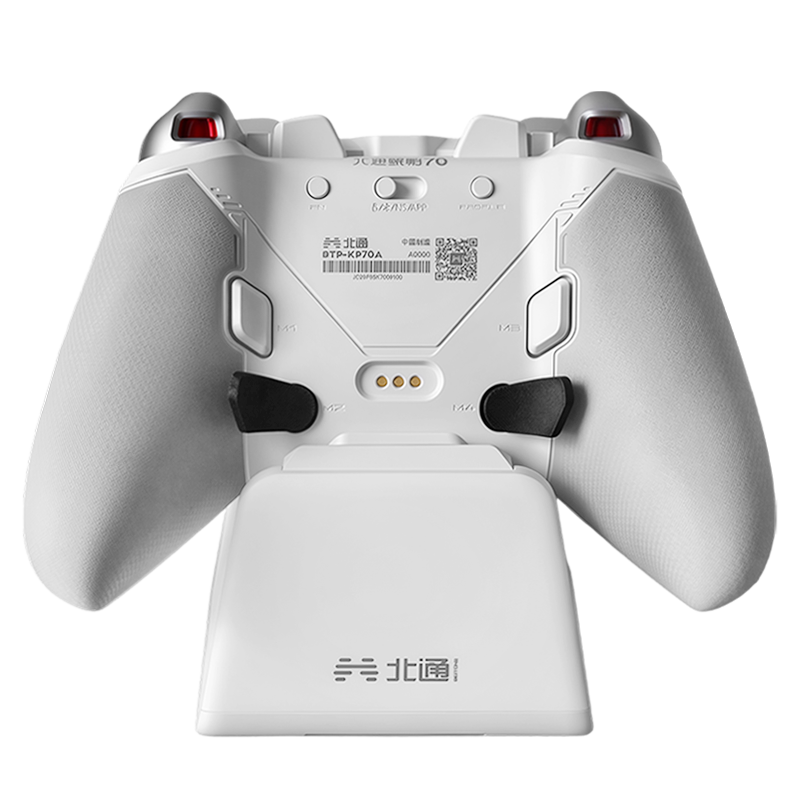
The "Snow White" edition looks clean from the front, but the second you flip it over, you see where the budget was slashed — a boxy, angular rear profile with six completely exposed screw holes. The grips are noticeably longer and bulkier — smaller hands will find this feels less like an ergonomic tool and more like a brick.
Winner: Direwolf 4. It feels like a premium $80 pad. The KP20D looks and feels like a budget controller that didn't bother hiding its manufacturing reality.
The Tech Trickle-Down
This is where the real drama is. Both brands brought features down from their $90 flagships.

Beitong KP20D — TMR Specs
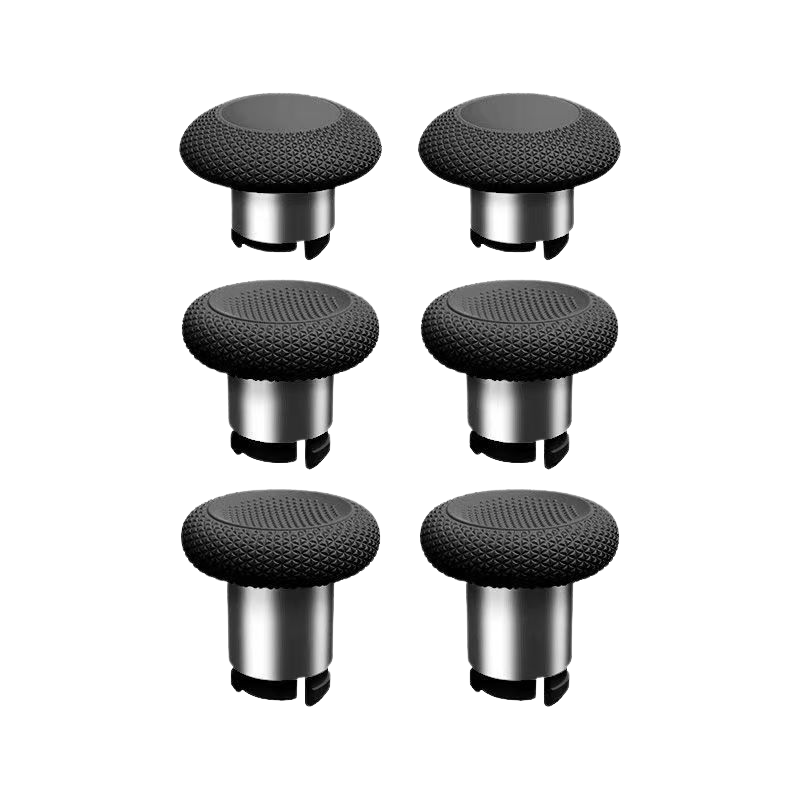
Crammed TMR (Tunnel Magnetoresistance) sticks with physical tension adjustment rings (30g–90g) into a $50 pad. Non-contact structure feels incredibly smooth. The catch: they completely skipped anti-friction rings on the housing — over time, plastic-on-plastic wear risks grinding down that smoothness.
Flydigi Direwolf 4 — Force-Adjustable
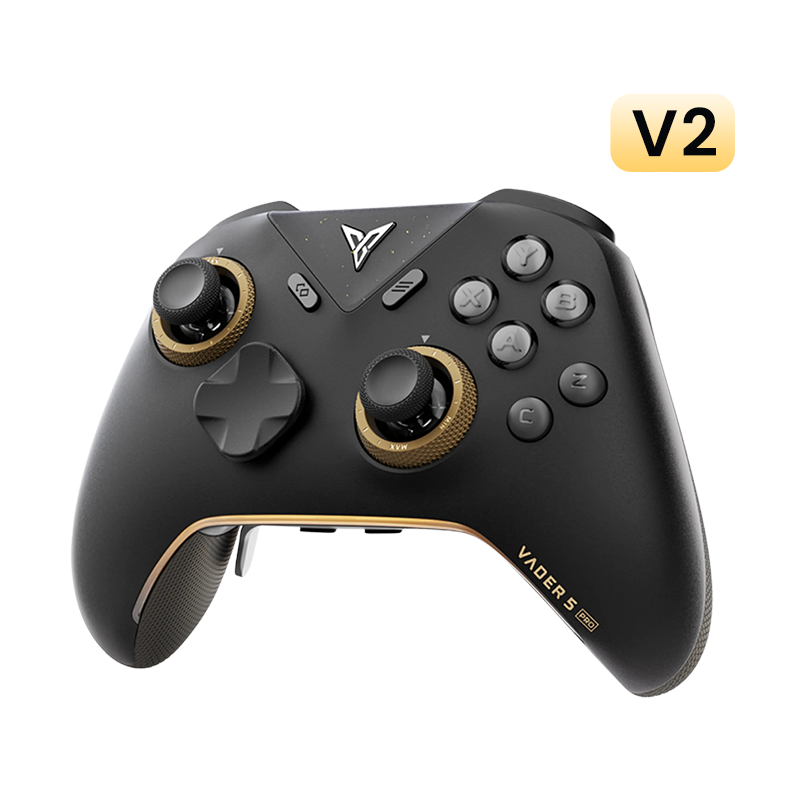
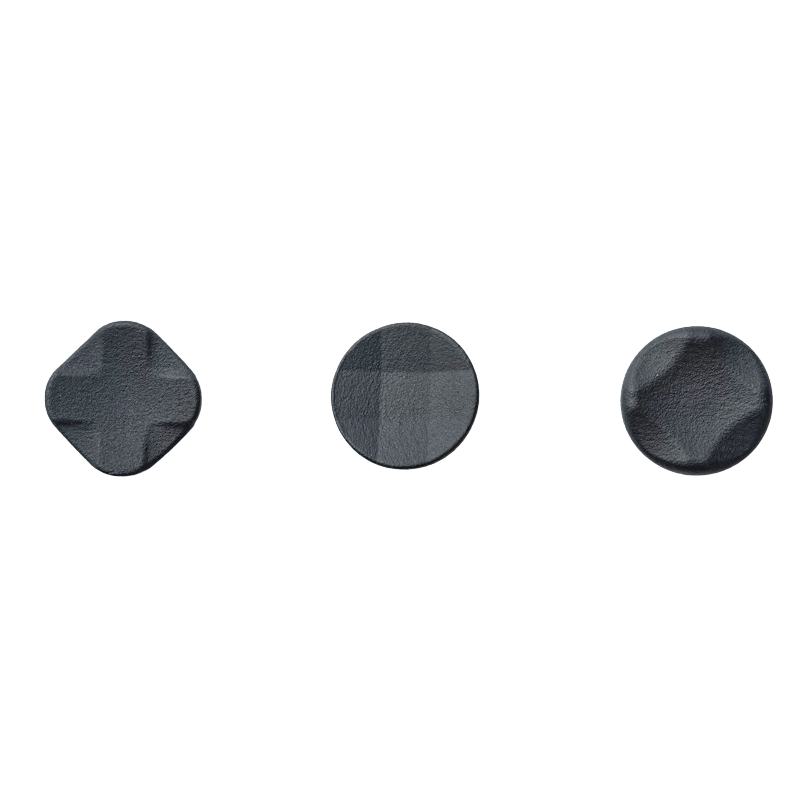
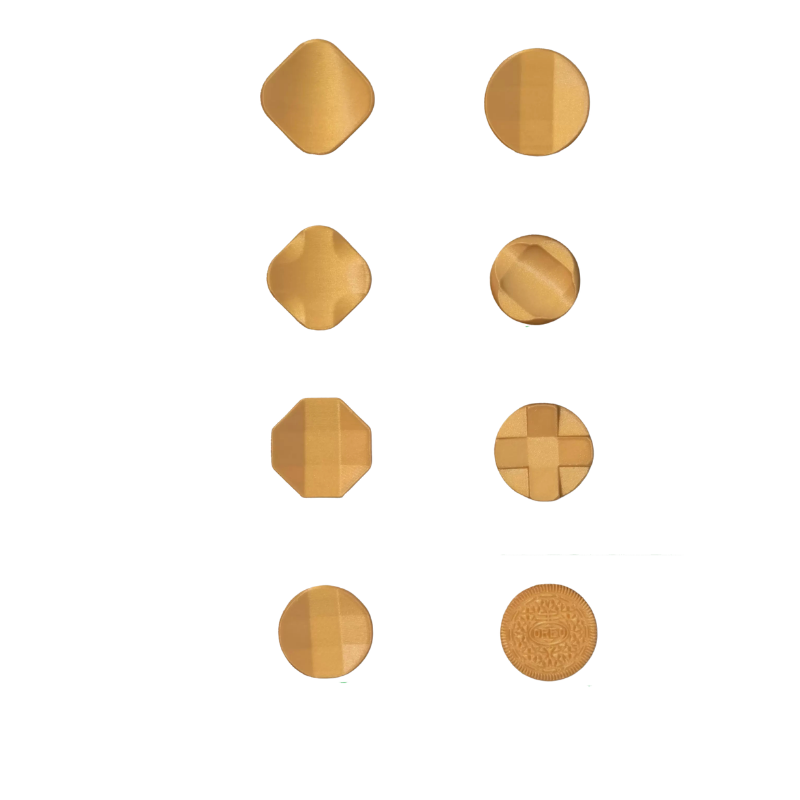
Cannibalized the mechanical force-adjustable lever sticks from the Vader 4 Pro (40g–80g). The rubberized adjustment ring feels better to grip than the Apex 5. Plus, the Rotating D-Pad 2.0 lifted straight off the Apex 5 uses a hybrid spring-wall + microswitch design that eliminates accidental diagonal misinputs while keeping a crisp, tactile click.
Winner: Direwolf 4. TMR on the Beitong is cool on paper, but Vader 4 Pro sticks and Apex 5 D-pads on a $40 controller is an absolute steal.
Triggers & Face Buttons
Beitong KP20D
Dual-mode triggers (Hall Effect linear for racing / Microswitch for shooters) and clicky mechanical ABXY buttons. The face buttons have thick silicone padding with a long, heavy travel — solid, but with a noticeable wobble. The default trigger vibration is insane out of the box — it will rattle your teeth until you dive deep into their PC software to manually dial down the intensity.
Flydigi Direwolf 4
Introduces the new "Force-Switching Lever Trigger" — an internal lever system that reduces the actuation force for microswitch mode. Feels significantly lighter, crisper, and snappier than the Vader 4 Pro. ABXY uses traditional conductive rubber with a deep, high-feedback throw — perfect for anyone who hates the loud, plasticky click of pure microswitches.
Winner: Tie. Want raw mechanical clicks and trigger rumble? Go Beitong (after fixing the software settings). Want an incredibly refined, effortless trigger pull and stable face buttons? Go Flydigi.
Latency & Algorithm Data
For the hard data nerds — here is how they actually perform on the tester.
| Metric | Flydigi Direwolf 4 | Beitong KP20D |
|---|---|---|
| Wired Button | 5.38ms | 2.52ms ✓ |
| Wired Stick | 16.24ms ✓ | 5.32ms |
| 2.4G Wireless Stick | 17.02ms ✓ | 15.01ms |
Direwolf 4 — Algorithm Note
While polling numbers look slightly higher, the Flydigi algorithm feels completely raw, predictable, and responsive in-game. Tiny down-drift when hard-pressing thumbsticks — negligible in actual gameplay.
KP20D — Algorithm Note
12-bit TMR sticks run flat linearity tests, but Beitong implemented a mandatory, un-toggleable anti-shake smoothing algorithm — eats into raw micro-precision for hardcore FPS tracking.
Context: The KP20D wins raw wired button latency, but the locked smoothing algorithm costs you in competitive FPS micro-precision. The Direwolf 4 feels more responsive where it matters in actual gameplay.
The Verdict
Direwolf 4 is the Smartest Budget Buy on the Market Right Now
Beitong built a spec-sheet warrior. They threw TMR sensors and ultra-low wired button latency at the wall, but forgot to polish the ergonomics, left the screws completely exposed, and added a heavy-handed smoothing algorithm. At $49.99, it feels like it's trying too hard to be a premium tech showcase while cutting corners on basic comfort.
Flydigi, on the other hand, built a cohesive masterpiece for $39.99. By porting over the absolute best hardware pieces of the Vader 4 Pro and Apex 5, the Direwolf 4 offers comfort, D-pad precision, and trigger refinement that has no business existing at this price point.


Use code GADGETHYPERGO at checkout to save an extra $5 on either controller. One use per customer.
Join the Conversation
Does a raw TMR spec sheet justify a clunkier shell and exposed screws?
Or do you prioritize the overall ergonomics and premium part trickle-down like the Direwolf 4? Drop your take in the comments below — we read every one.





Leave a comment
All comments are moderated before being published.
This site is protected by hCaptcha and the hCaptcha Privacy Policy and Terms of Service apply.