Review

Beitong KP40D vs KP40: Is the Ultimate Controller Upgrade Worth It?

Beitong KP40D vs KP40: Is the Ultimate Controller Upgrade Worth It?


Hardware Review Comparison TMR Joysticks · Generation Gap

The Generation Gap: Beitong KP40D vs KP40 — Is the Premium Upgrade Actually Worth It?

🎮

GadgetHyper Team

June 30, 2026 · Hardware Insights

This is Ray from GadgetHyper.

Lately, I’ve seen a ton of questions in the community and our Discord about the generation gap between the Beitong KP40 (which dropped back in late 2024) and the newer KP40D. Since both have been out in the wild for a minute now, and with the older KP40 mostly phased out, a lot of you are wondering: Is the KP40D actually a massive leap forward, or just a flashy faceplate swap?

I’m more of a PVE player myself, so I prioritize raw comfort, tactile feedback, and "feel" over sweating over microsecond latency charts. I’ve spent quality time with both, so here is a realistic, hands-on comparison of how they actually stack up in the hand.


Section 01

Form & Ergonomics

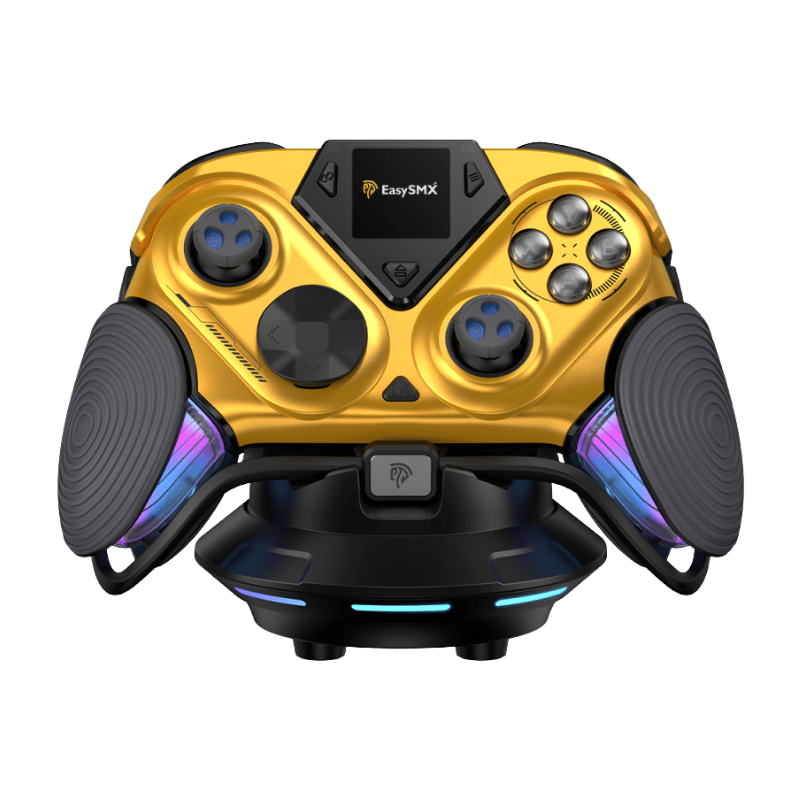
The Design Overhaul: From "Budget Plastic" to "Premium Xbox Clone"

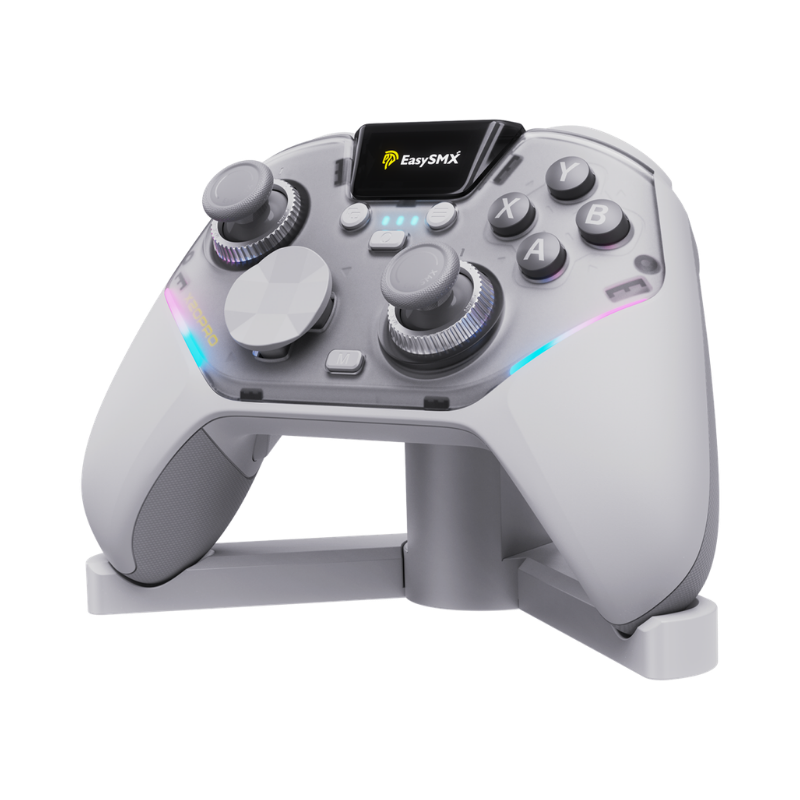
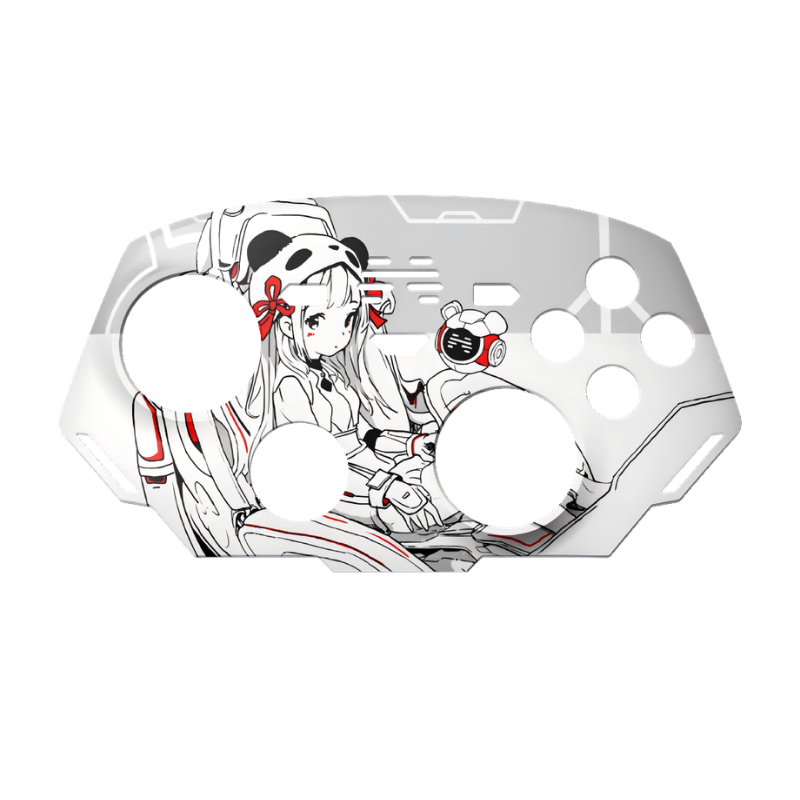
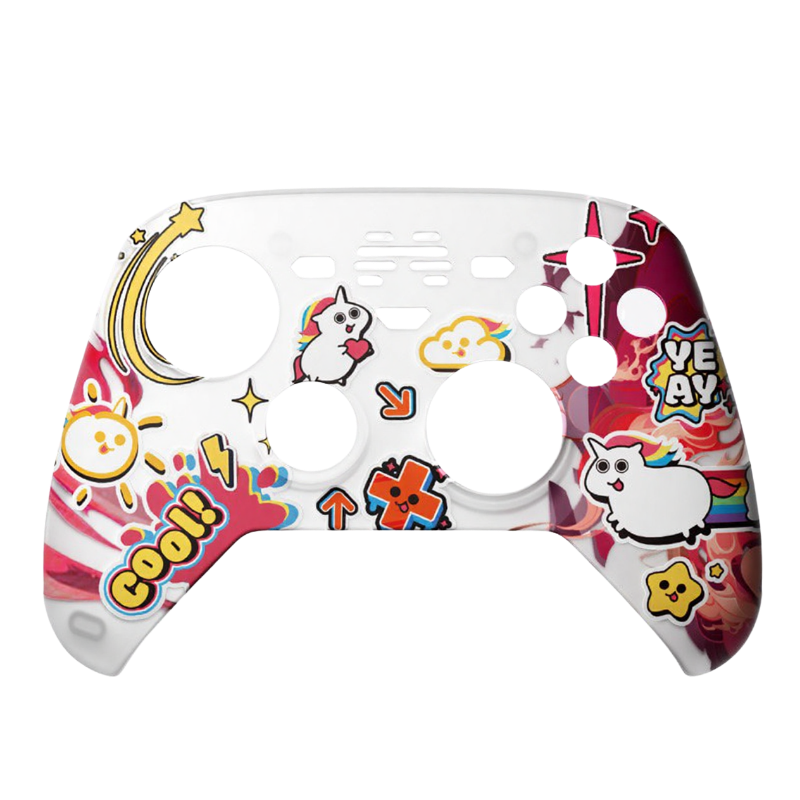
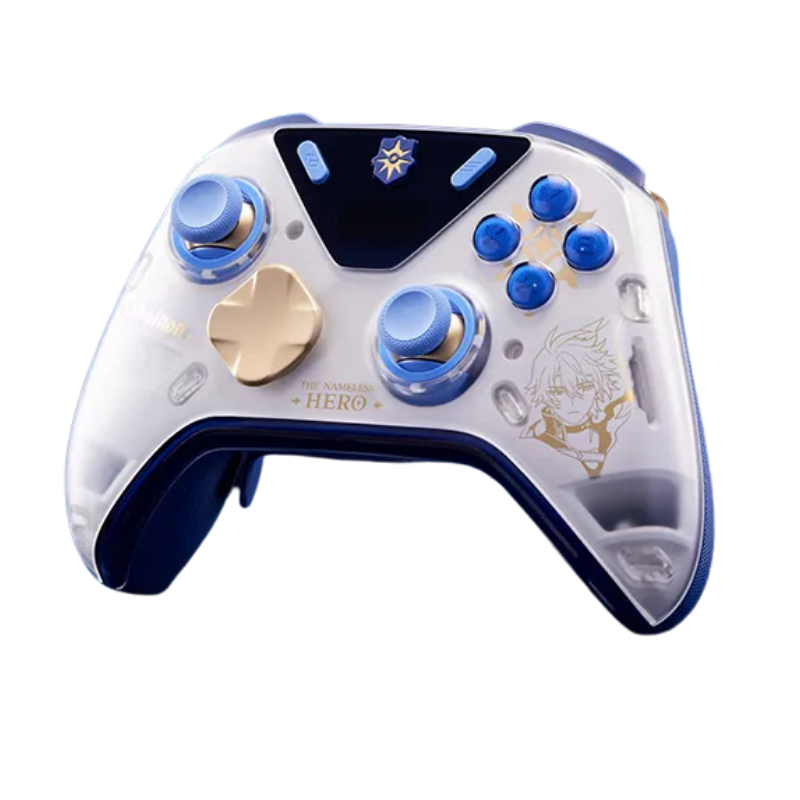
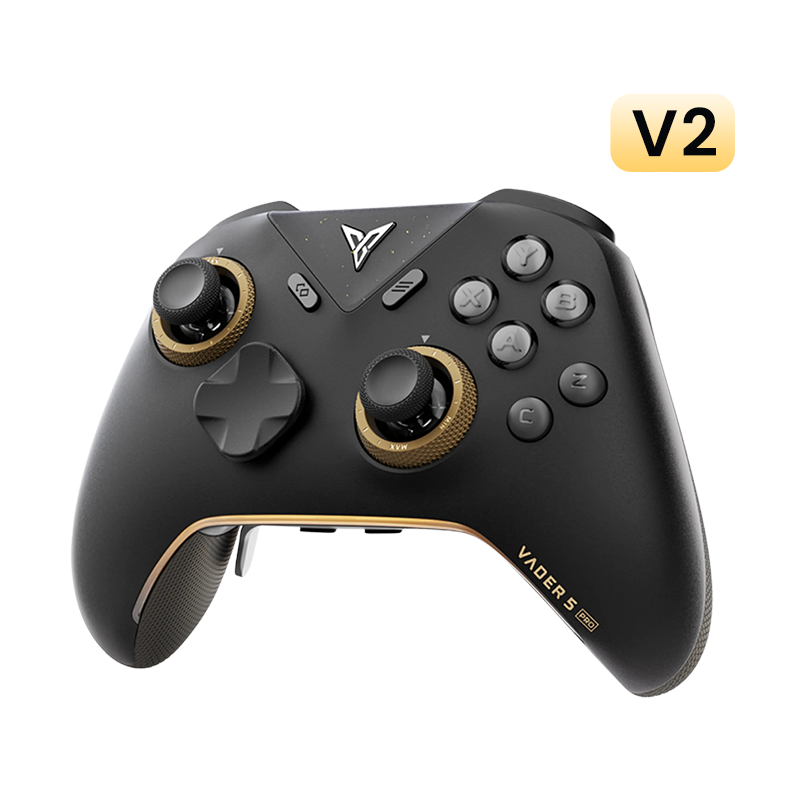
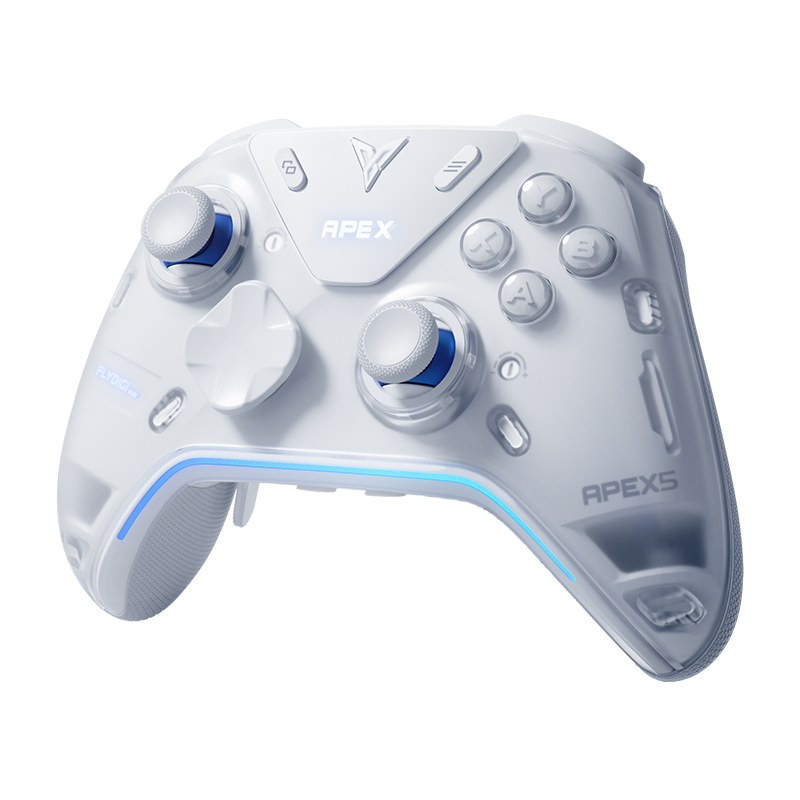
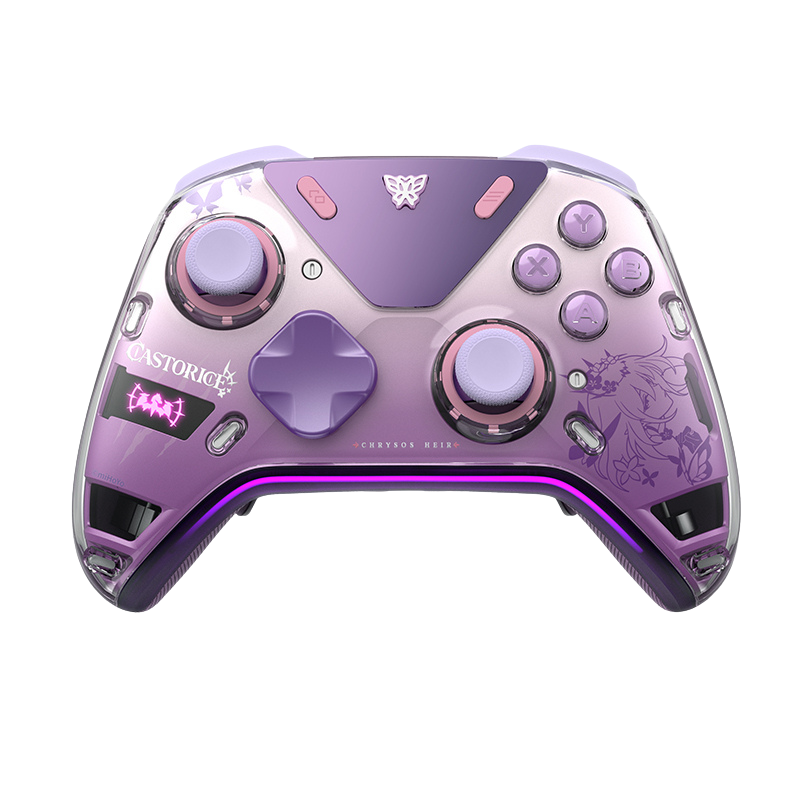
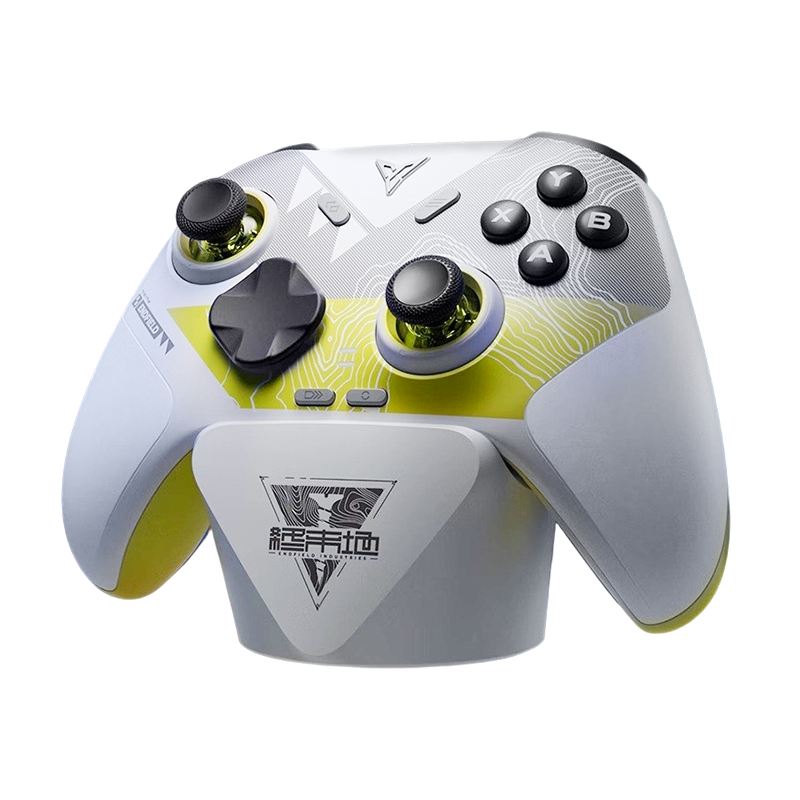
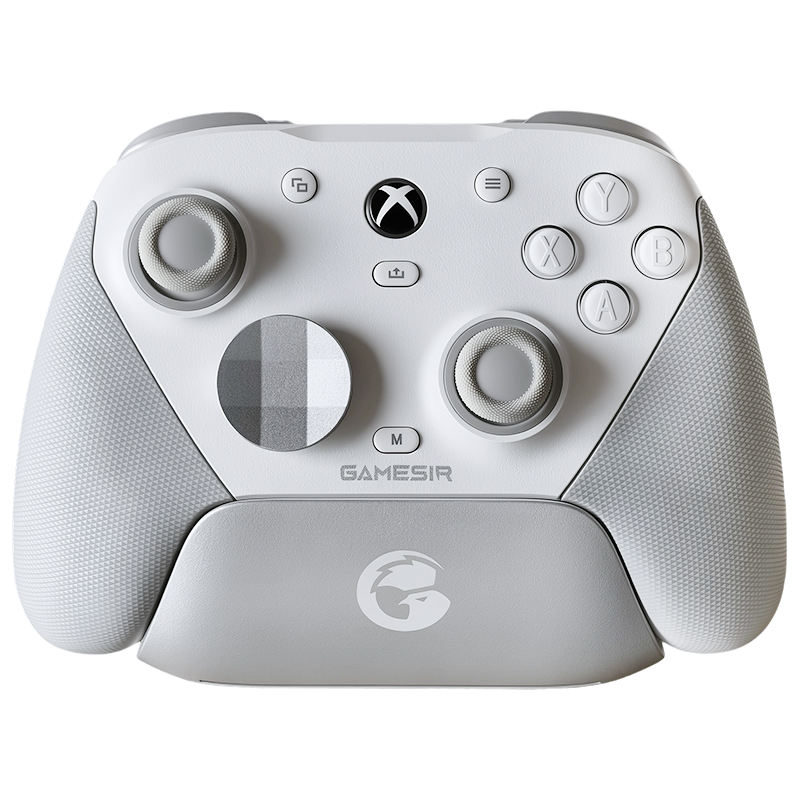
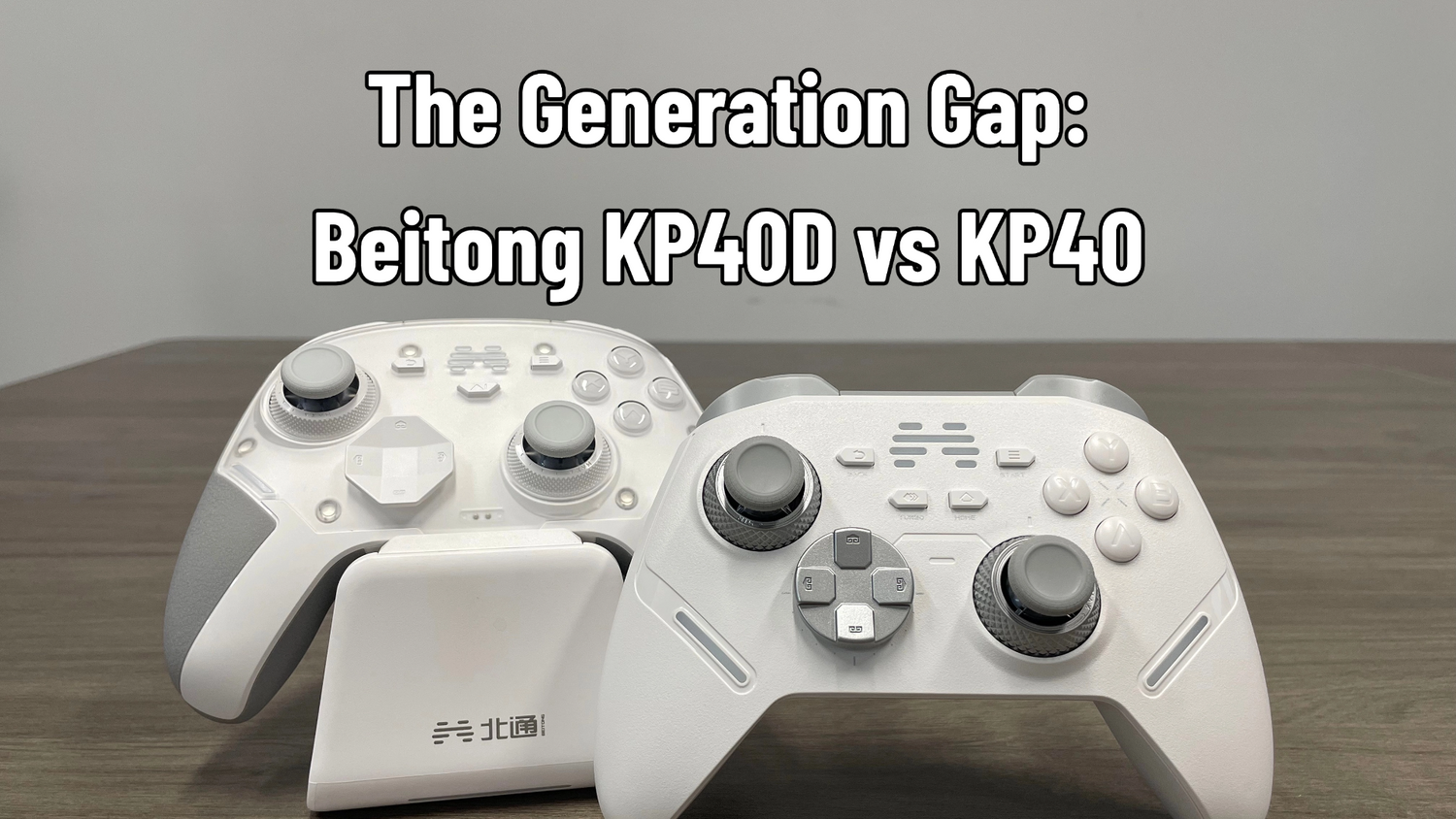
If we are being completely honest, the original KP40 was... well, pretty ugly. It felt like a minor shell upgrade to the budget KP20. It had those overly pointy grips, basic white plastic, and huge shell gaps that were absolute dirt-magnets. The KP40D serves as a total redemption arc.

Side-by-side: legacy KP40 and KP40D form factor comparison
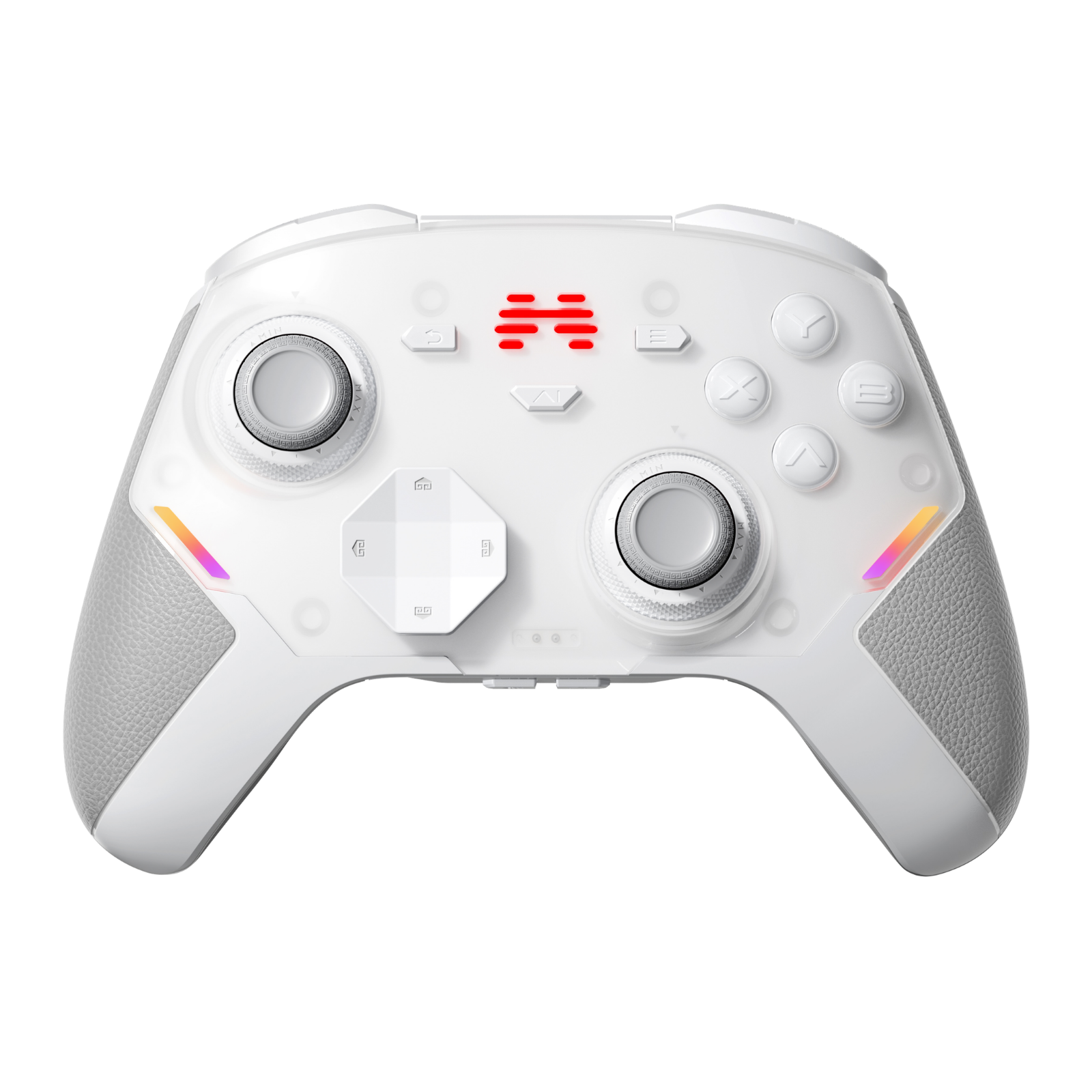
The Silhouette →Shifts completely toward the classic Xbox Series controller geometry—a massive win for standard hand ergonomics.
Shell & Grips →Features a fully modular, swappable premium faceplate framework, backed up by proper rubberized wrap-around side panels.
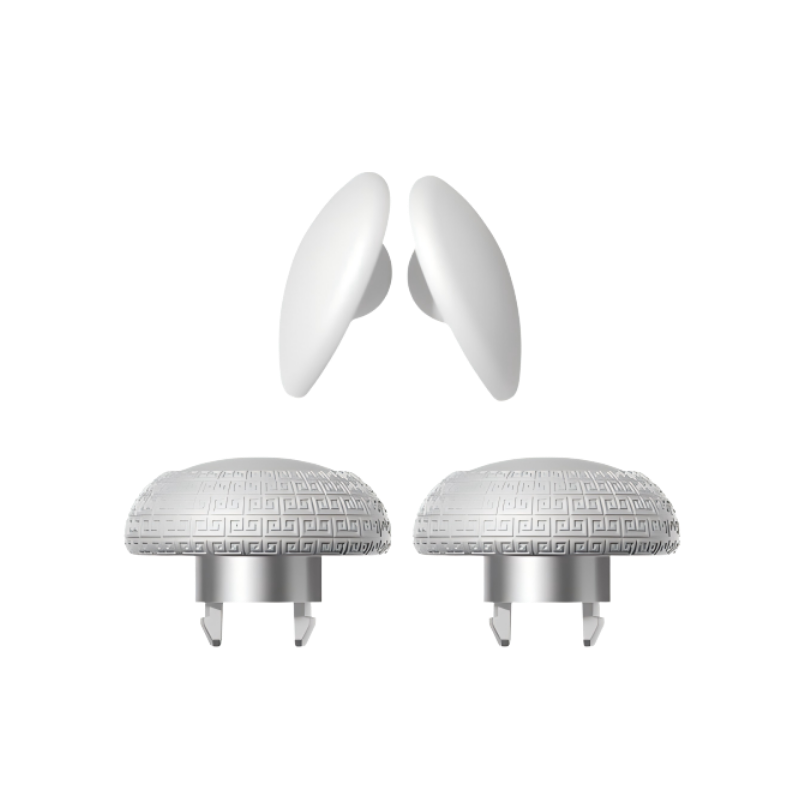
The Texture →Ditches aggressive diamond cuts for an organic, matte, "skin-like" finish that feels soft yet incredibly secure.
The Weight →Gains a slight, calculated bit of extra heft that makes the entire chassis feel dense, structural, and inherently robust.

Section 02

Headline Innovation

The Tension Ring: Smooth vs. High-End ASMR Ratchets

Both iterations offer on-the-fly mechanical joystick resistance tuning scaling from 30g up to 90g via their underlying TMR tech hardware, but their real-world tactile execution belongs to entirely different eras.

Ray's Star Feature Highlight

"Turning the new KP40D resistance ring gives you distinct, physical notches. It literally sounds and feels like you're cracking open a high-end mechanical wall safe. The pure audio and tactile ASMR is completely real, and it locks into place with absolute certainty."

KP40D notched tension ring macro close-up
KP40 Classic →Employs an infinite, frictionless smooth scroll. Without hard notches or markings, balancing identical stick resistance requires pure guesswork.
KP40D Modular →Upgraded to a localized tactile ratchet system that perfectly matches tension configurations across both parameters.

Section 03

Input Expansion

Extra Buttons: Moving the Goalposts (2 vs. 6)

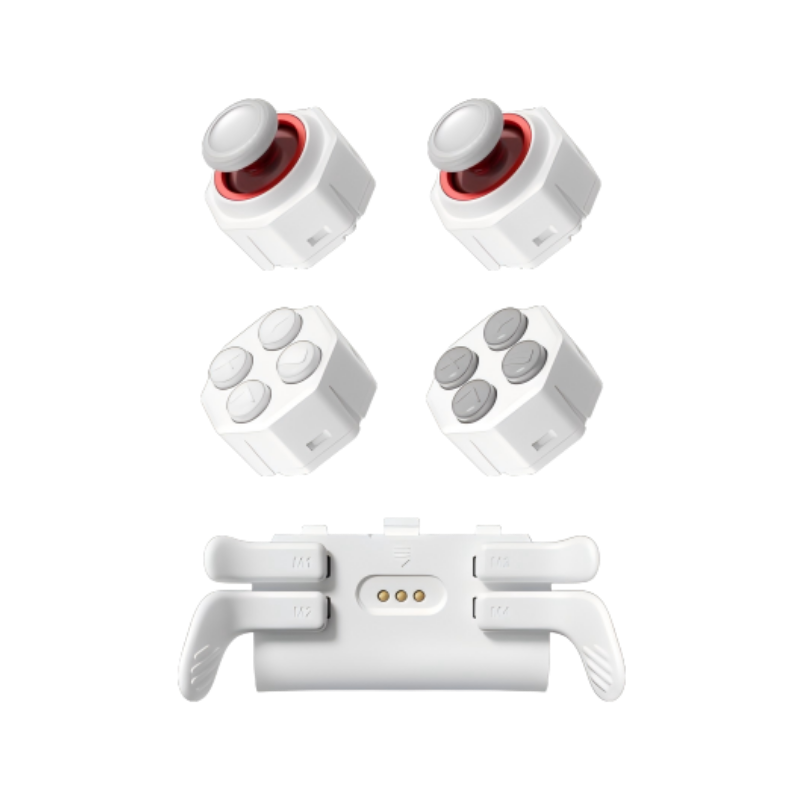
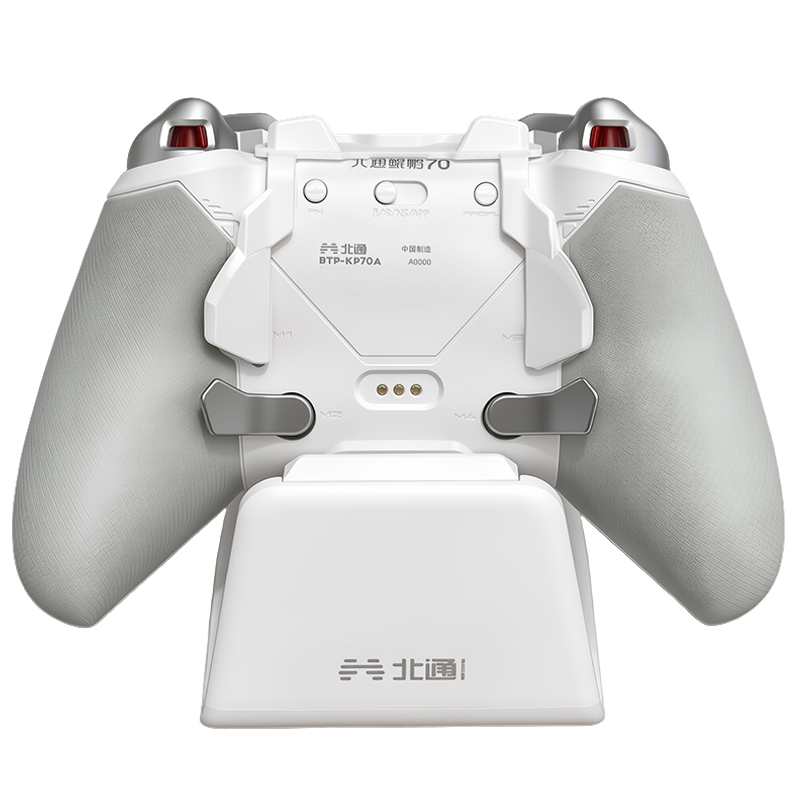
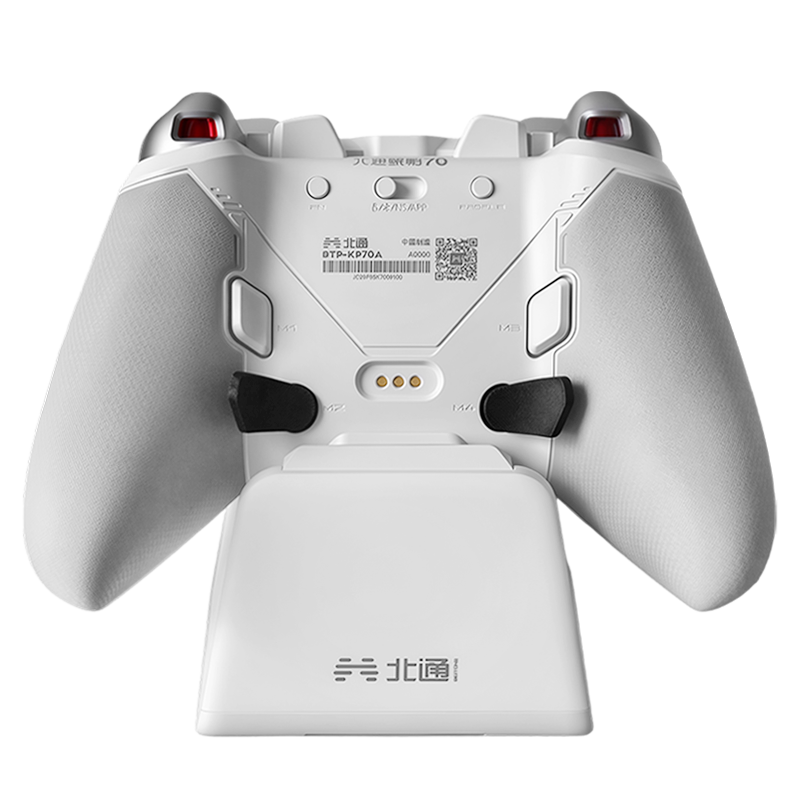
KP40 vs KP40D rear buttons and shoulder macro comparison

If you enjoy comprehensive remap layouts for modern utility action titles, the older platform left a massive bottleneck behind with very minimal back key configuration potential.

KP40 Layout →Stingy rear design real estate offering just 2 basic, embedded plastic mapping buttons.
KP40D Layout →Expands fully to 6 dedicated layout buttons, instantly blowing previous mapping constraints out of the water.
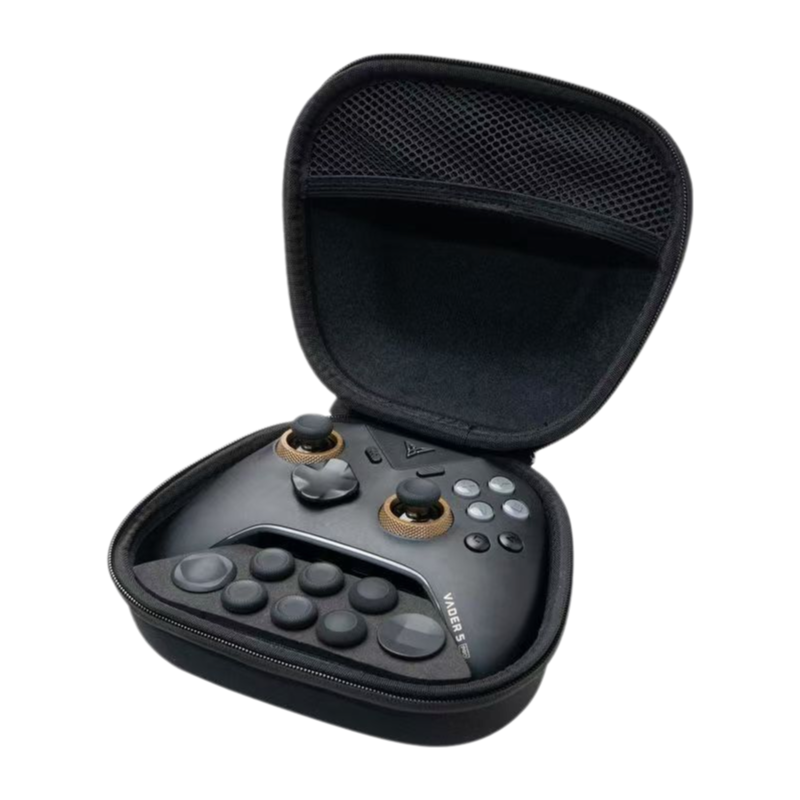
Shoulder Keys →Features 2 discrete, low-profile macro inputs nested directly adjacent to the main bumper switches.
Rear Paddles →Includes 4 rear assignments total, featuring 2 fully detachable mechanical paddle keys.

Section 04

Tactile Profile

D-Pad & Actuation Vibes

KP40 floating cross vs KP40D faceted mosaic dish D-pad
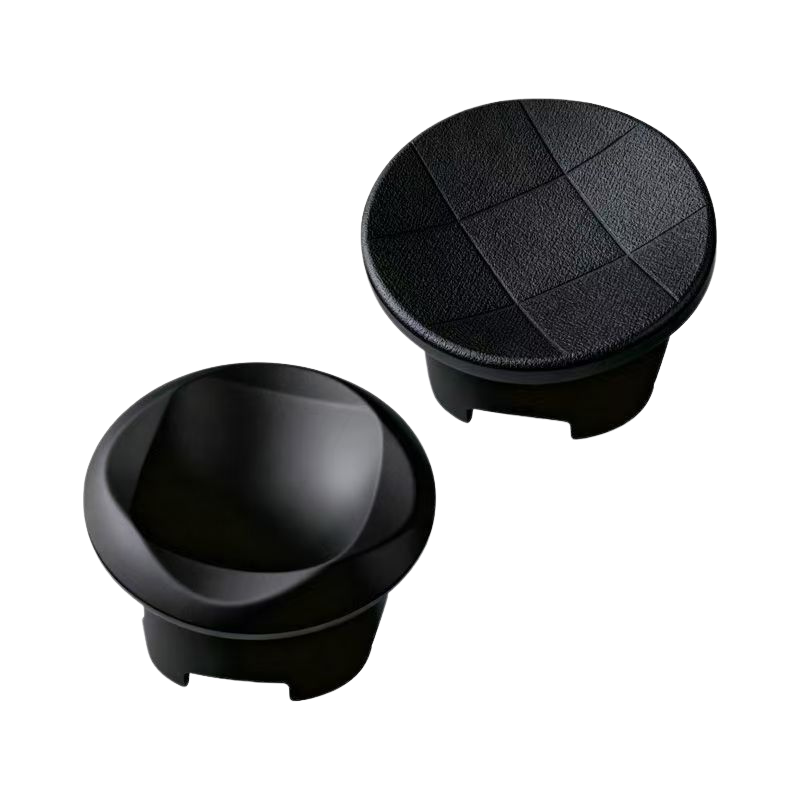
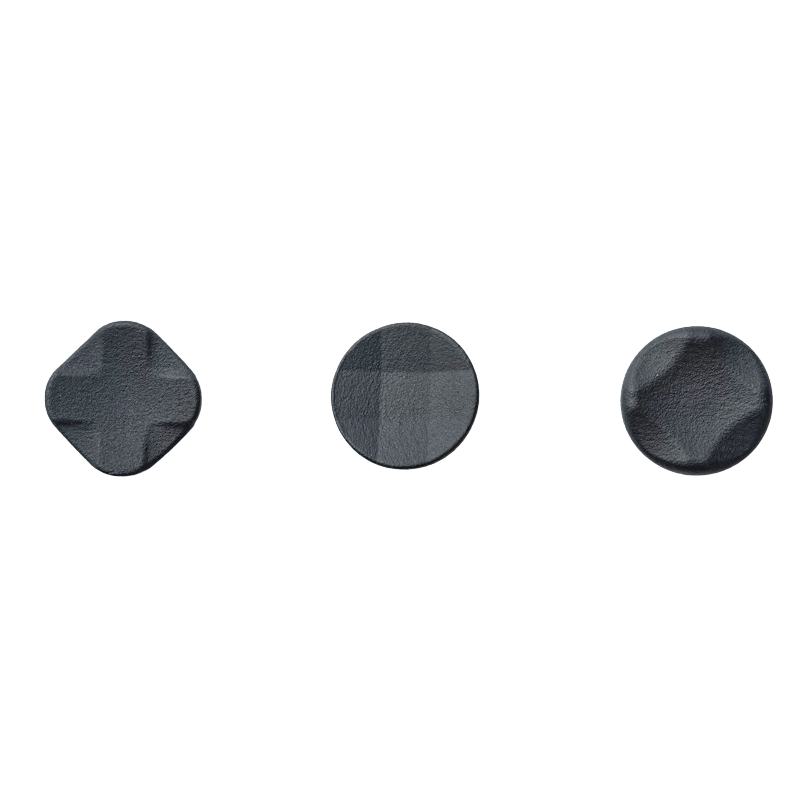
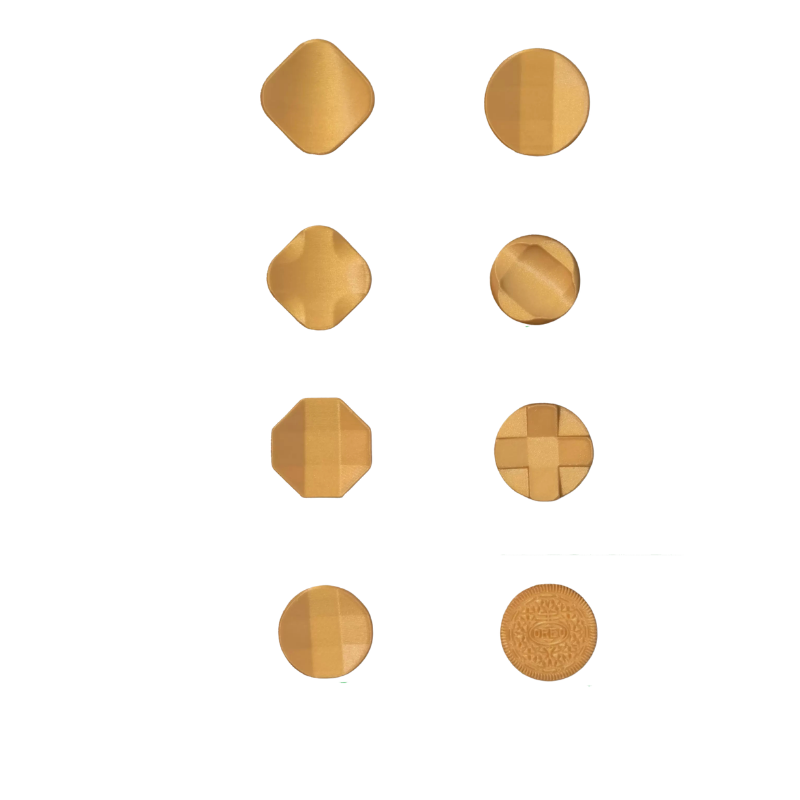
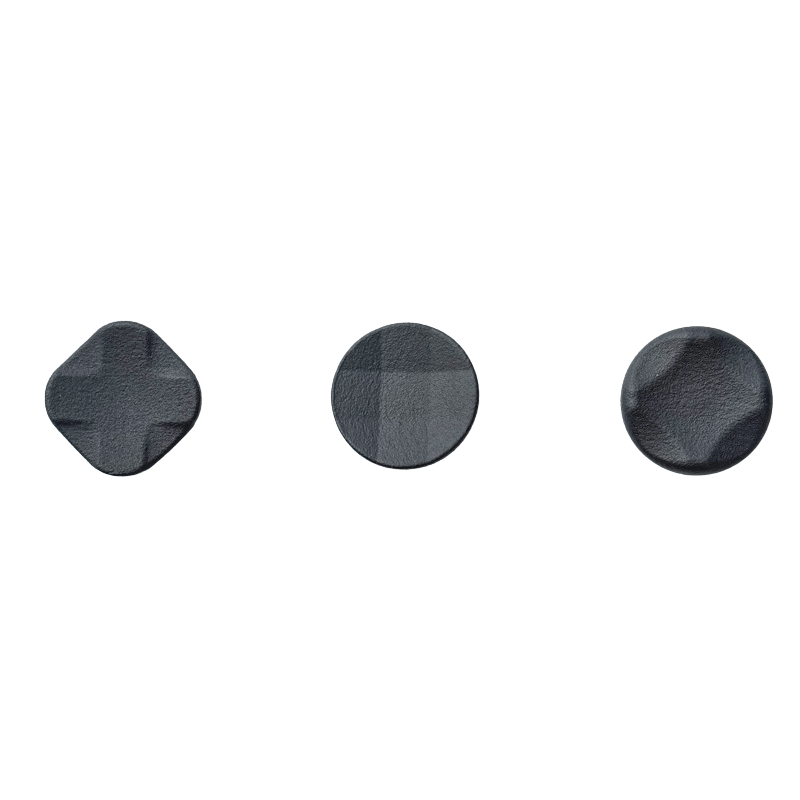
The D-Pad →The original KP40 went with a traditional floating cross interface. The KP40D replaces this with a modern, faceted mosaic dish layout. While feel remains totally subjective, the KP40D undeniably claims the premium aesthetic crown.
ABXY Feel →Both iterations deploy Optical Switch matrices. However, the internal implementation on the KP40D yields a dampened, heavily structured throw. They maintain a distinct click audio profile, but the snap return velocity is exceptionally swift.

Section 05

Power & Protocols

Battery and the "Star Flash" Trap

The Legacy Flaw →The original KP40 launched with an incredibly restrictive 600mAh battery cell capacity.
NearLink Trap →The limited "Star Flash" revision added a 1000mAh variant but paired it with unoptimized 2000Hz polling rates that required community down-tuning to 1000Hz anyway for real stability.
The KP40D Fix →Even when running the intensive, immersive 4-motor trigger and grip vibration framework at maximum capacity, real-world battery endurance handles everyday play with zero issue.

The Verdict

The legacy KP40 served as an experimental initial step into the TMR hardware frontier. The Beitong KP40D represents the completely polished, premium final ecosystem evolution.

Now In Stock

Beitong KP40D Pro Controller

$79.99 USD

Secure Your Order

Community Pulse Check

How Are Your Optical Switches Holding Up?

For the hardware enthusiasts who have been rocking the modular KP40D framework on their desktops or setups for a while now, how are those snappy optical switch faces holding up under pressure? Drop your long-term observations below, and let's get into the layout specifics!
Reading next

Pro Controller Weekly Roundup Vol. 5: GameSir Screen Controller & 8K Leverless Showdown

Leave a comment

All comments are moderated before being published.

This site is protected by hCaptcha and the hCaptcha Privacy Policy and Terms of Service apply.