





























High Polling Rate Doesn't Always Mean Lower Latency: Understanding Controller Response Time
8000Hz controllers are becoming more common. But does a higher polling rate actually mean your controller responds faster?
In recent years, polling rate has become one of the hottest topics in the gaming controller market. We've gone from 125Hz controllers being the standard, to 500Hz, 1000Hz, 2000Hz — and now even 8000Hz controllers advertised as the next generation of competitive gaming hardware.
That's the marketing message. But is that really how it works? The answer is more complicated.
Polling rate and latency are connected, but they are not the same thing. A controller with a higher polling rate can have advantages — but it does not automatically mean lower input latency, or a better real-world gaming experience. So let's talk about what polling rate actually means, what latency measures, and why these two concepts are so often confused.
Polling Rate vs Latency: They Measure Different Things
Before discussing which one matters more, we need to understand what these terms actually mean.
What Is Polling Rate?
Polling rate (also commonly called report rate) describes how frequently a controller communicates with your PC or console. It is measured in Hertz (Hz): a 125Hz controller reports input about 125 times per second, a 1000Hz controller about 1,000 times per second, and an 8000Hz controller about 8,000 times per second. A higher polling rate means the system checks for new controller data more frequently.
That frequency also defines the theoretical interval between reports:
Interval between reports
Interval between reports
Interval between reports
This is where much of the confusion starts. That 0.125ms figure sounds impressive — but it represents the time interval between reports, not the complete time it takes for your button press or stick movement to appear on screen.
What Is Controller Latency?
Latency is the total delay between your action and the system responding. When you press a button, an entire chain of events takes place:
- You press a button.
- The controller detects the input.
- The signal is processed.
- The data is transmitted.
- Your PC or console receives the input.
- The game processes it.
- The display shows the result.
The time taken across this entire process is latency.
Polling rate tells you how often your controller sends information.
Latency tells you how quickly your action becomes a visible result.
They are related — but they are not interchangeable.
A Simple Example: The Delivery Driver Analogy
Imagine a delivery driver.
Polling rate is how often the driver leaves the warehouse with packages — a higher polling rate means the driver makes more trips.
Latency is how long each package takes to arrive.
A driver making 8,000 trips per hour doesn't automatically mean every package arrives faster. If the road is congested, the vehicle is slow, or the destination takes longer to process the package, the delivery time does not improve. The same idea applies to gaming controllers: a controller can send data more frequently, but the final response still depends on the entire system.
Why Did Polling Rate Become Such a Big Deal?
The rise of high polling rate controllers did not happen randomly. The trend originally became popular in gaming mice: competitive PC players — especially in FPS games — started paying closer attention to extremely fast input devices, and as gaming hardware evolved, controller manufacturers began adopting similar ideas.
- Traditional Controllers Around 30–60Hz
- Early Competitive Controllers Around 125Hz
- Modern Gaming Controllers 500–1000Hz
- Extreme Performance Models 2000–8000Hz
Today, 1000Hz has become common among many high-end third-party controllers, while 8000Hz has become a major marketing feature for some flagship products. But there is an important question: does going from 1000Hz to 8000Hz create an equally large improvement in real gameplay? Usually, the answer is no.
The 8000Hz Question: More Data Doesn't Always Mean Faster Response
Let's look at the numbers. An 8000Hz controller theoretically updates every 0.125ms; a 1000Hz controller updates every 1ms. On paper, 8000Hz looks eight times faster.
But the complete controller latency is affected by many other factors:
- Controller hardware
- MCU processing power
- Firmware optimization
- Connection protocol
- Wireless receiver performance
- Operating system processing
- Game engine input handling
- Display refresh rate
The polling interval is only one part of the entire chain. Consider these two controllers:
Controller A
8000Hz polling rate
5ms total latency
Controller B
1000Hz polling rate
2ms total latency
In this situation, Controller B can still feel faster — because in actual gameplay, the final response time matters more than a single specification number.
Why Higher Polling Rate Can Have Diminishing Returns
A common question is: if higher polling rate is better, why not just use 8000Hz everywhere? Because higher polling rates are not free. More frequent communication means:
- More data processing
- Higher workload for the controller chipset
- More processing demand from the system
- Potentially higher power consumption
For example, a PC that is already under heavy load may not benefit from constantly processing additional input updates. The same applies to displays: a 240Hz monitor refreshes the image approximately every 4.17ms — if your entire display pipeline cannot show the additional information, the practical benefit of extremely high polling rates becomes smaller.
This does not mean high polling rates are useless. They are a genuine technology improvement — but they are only one piece of the performance puzzle.
Connection Method Often Matters More Than Polling Rate
When discussing controller responsiveness, connection method remains extremely important.
Wired Connection
Usually provides the most stable connection. Many competitive controllers achieve very low latency through wired mode — often around the 2–8ms range, depending on hardware and testing conditions.
2.4GHz Wireless
Modern gaming receivers can provide excellent performance while offering wireless freedom. Many high-end controllers achieve latency close to wired performance.
Bluetooth
Convenient and widely compatible, but latency can vary more depending on implementation, interference, and device support.
A well-optimized 2.4GHz connection with a lower polling rate can outperform a poorly optimized high-polling-rate connection.
So What Should Players Actually Look At?
This is probably the most important question. Should you buy an 8000Hz controller? Should you ignore polling rate completely? Neither. A better way to evaluate a controller is to look at the complete picture — and what matters most depends on how you play.
Don't Chase the Biggest Number
A reliable controller with good ergonomics, accurate sticks, comfortable buttons, and a stable connection will matter much more.
Latency and Consistency Matter
A controller with stable low latency is usually more valuable than a controller with an impressive polling rate number on the box.
Specs Serve the Experience
High polling rate is exciting technology — it shows how quickly gaming controllers continue to evolve. But a specification is only meaningful when it improves the actual experience.
Controllers That Match This Philosophy
After discussing polling rate and latency, one thing should be clear: the best controller is not always the one with the biggest number on the spec sheet. A great gaming controller is the result of many things working together:
- Low and consistent latency
- Reliable connection
- Accurate stick performance
- Responsive buttons
- Good firmware optimization
- Overall balance between hardware and software
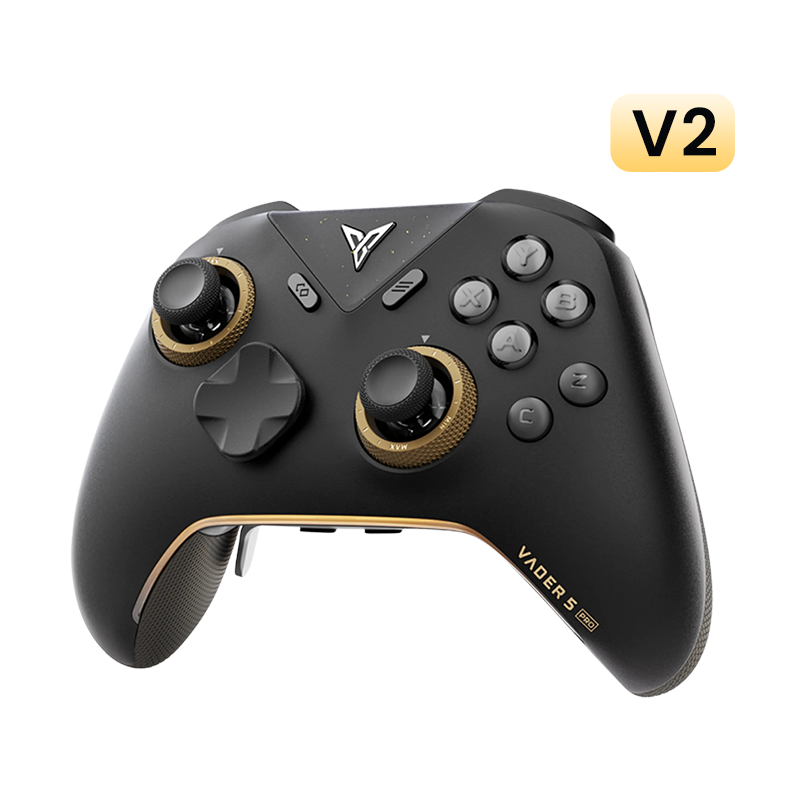
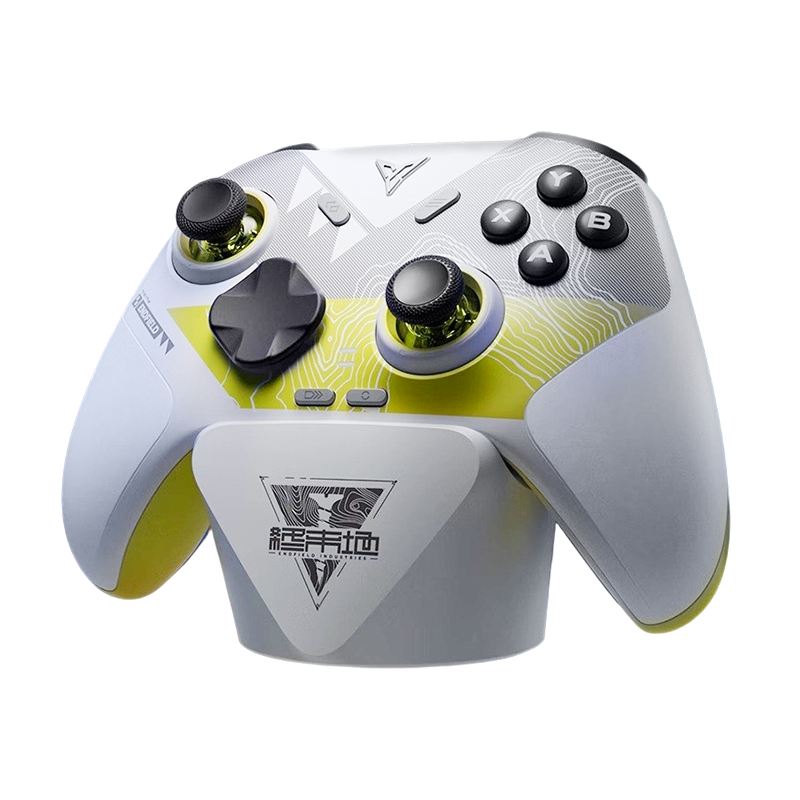
In recent years, the controller market has moved quickly toward higher polling rates. While faster polling can be an interesting technology improvement, we believe real-world performance should always come first. Two controllers that represent this approach are the LEADJOY XENO Plus and the Flydigi Vader 5 Pro.

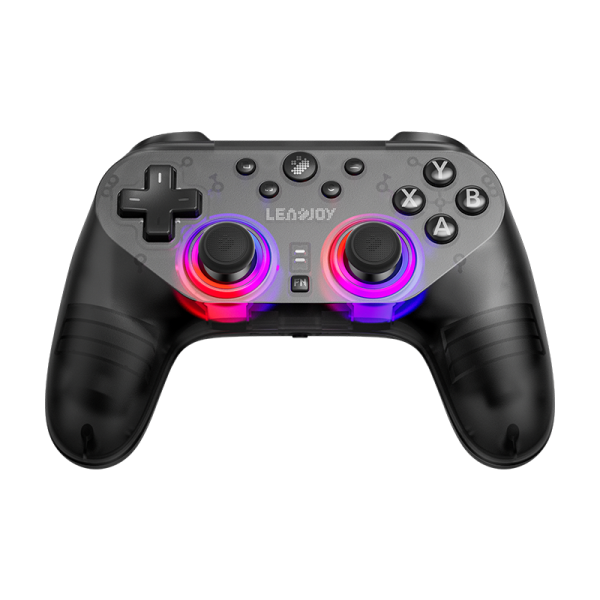
LEADJOY XENO Plus: Focusing on Low-Latency Performance
The LEADJOY XENO Plus is a good example of why measured response time matters more than a single specification. Instead of focusing only on an impressive polling-rate number, the XENO Plus is designed around delivering fast and consistent input performance.
Its low-latency performance, reliable connection options, and responsive controls make it a strong choice for players who care about competitive gameplay. For FPS, action games, and other fast-paced titles, consistency often matters more than chasing the highest possible number.

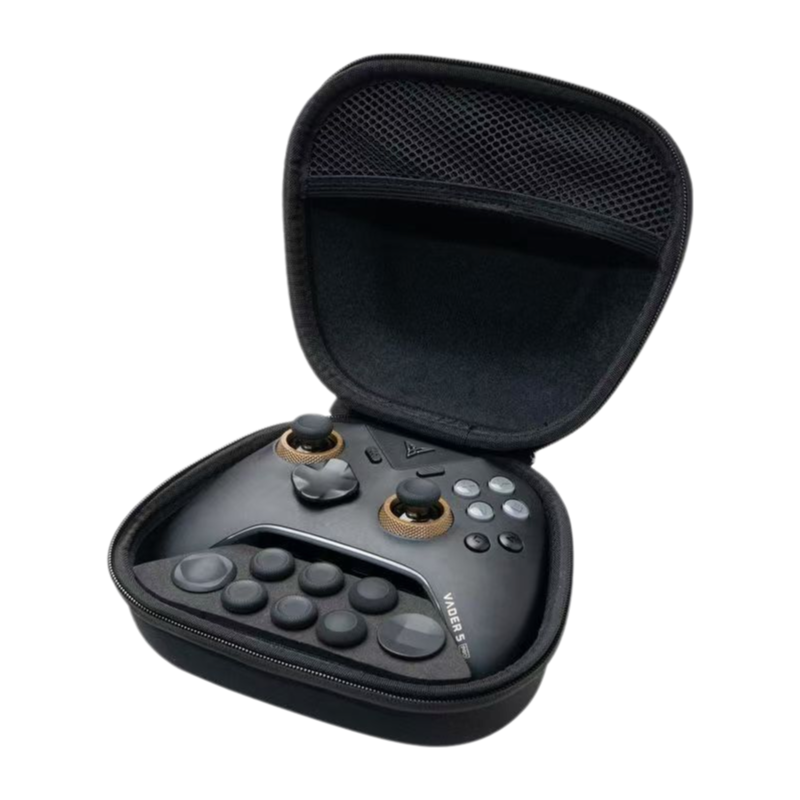
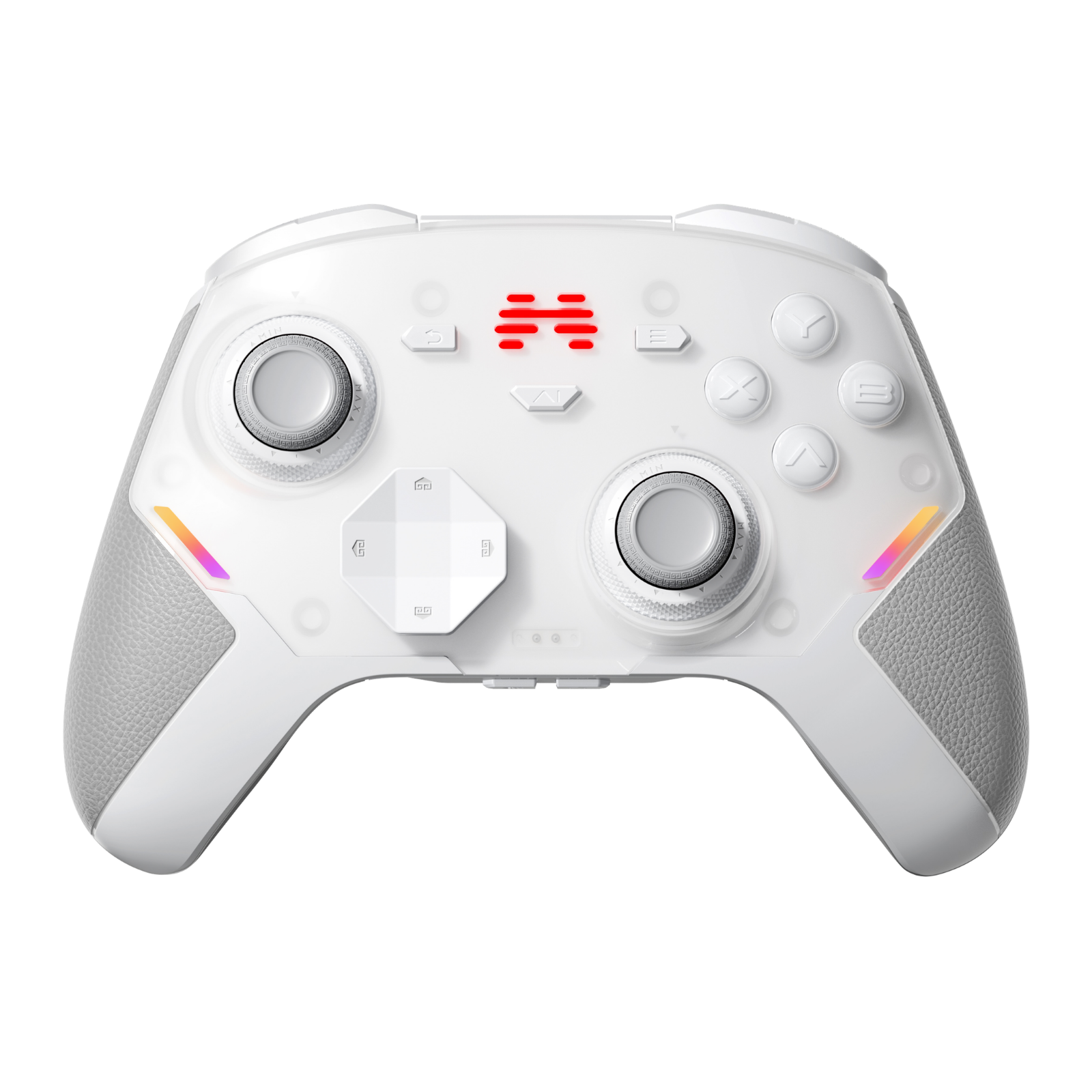
Flydigi Vader 5 Pro: A Balanced Flagship Experience
The Flydigi Vader 5 Pro takes a different approach. Rather than simply competing on polling rate, it focuses on creating a complete flagship controller experience.
Features like force-adjustable Hall Effect sticks, adjustable triggers, improved buttons, and refined software support show that controller performance is not created by one specification alone. A controller can have an extremely high polling rate, but if the sticks, buttons, firmware, or overall tuning cannot match it, the real-world experience may not improve. The Vader 5 Pro represents a more balanced approach: advanced hardware combined with software optimization, for a controller that feels great in everyday gaming.
Build a better controller first. Chase numbers second.
Neither of these controllers is recommended because it has the highest polling rate on the market — they earn their place because of how they are built. In a market where specifications are becoming increasingly competitive, it's worth remembering that the best gaming experience comes from how all components work together, not from one number printed on a product page.
Final Thoughts: Polling Rate Is Important, But It Isn't Everything
High polling rate is not fake technology. A higher polling rate can genuinely reduce the time between input reports and improve how frequently your system receives controller information. However, higher polling rate does not automatically equal lower latency — and lower latency does not come from one number alone.
The best controllers combine:
- Fast hardware
- Good firmware
- Reliable connection
- Accurate sensors
- Consistent real-world performance
So the next time you see an 8000Hz controller, the better question might not be "How high is the polling rate?" Instead, ask:
How fast is the actual response time?
What matters more to you when choosing a controller — higher polling rate, lower measured latency, or overall consistency? Let's discuss.






Leave a comment
All comments are moderated before being published.
This site is protected by hCaptcha and the hCaptcha Privacy Policy and Terms of Service apply.