























Controller Showdown
Leadjoy Xeno Plus vs. BIGBIG WON Blitz 2: The New TMR King?
The man who built the Blitz 2 just released his first controller under a new brand. Here's how it stacks up.
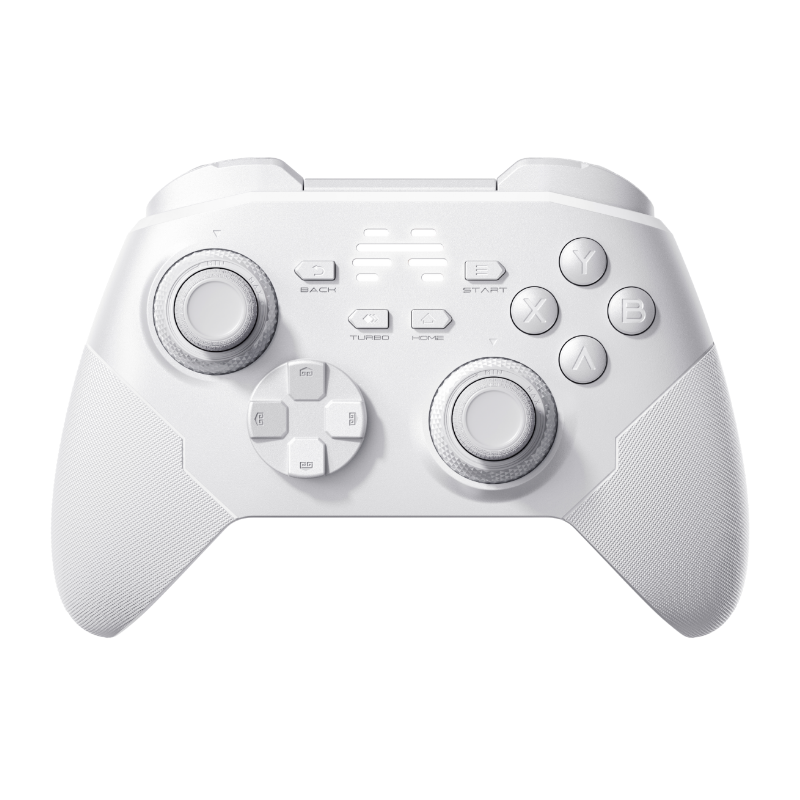
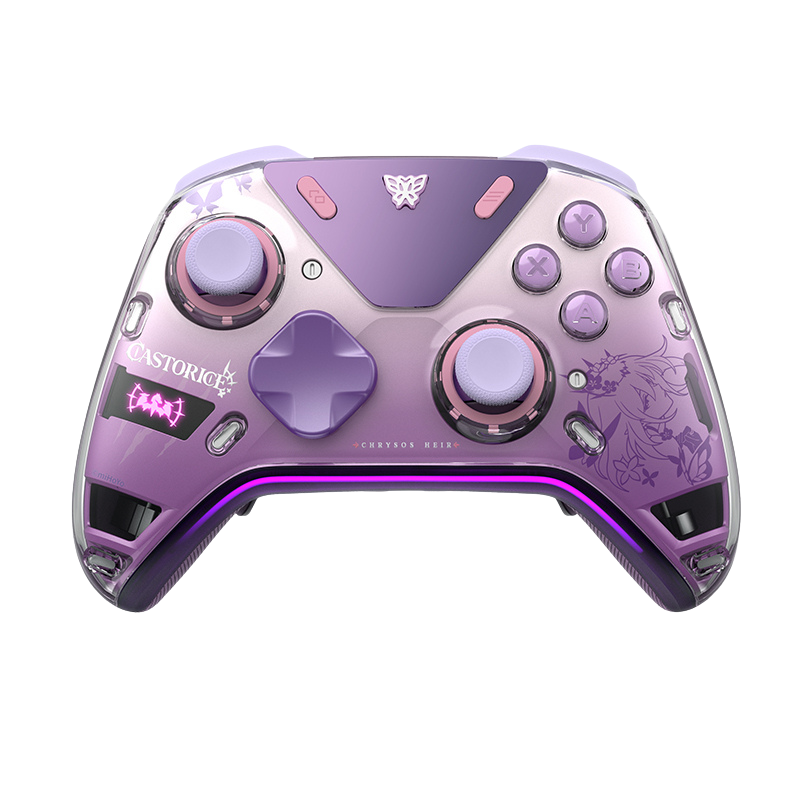
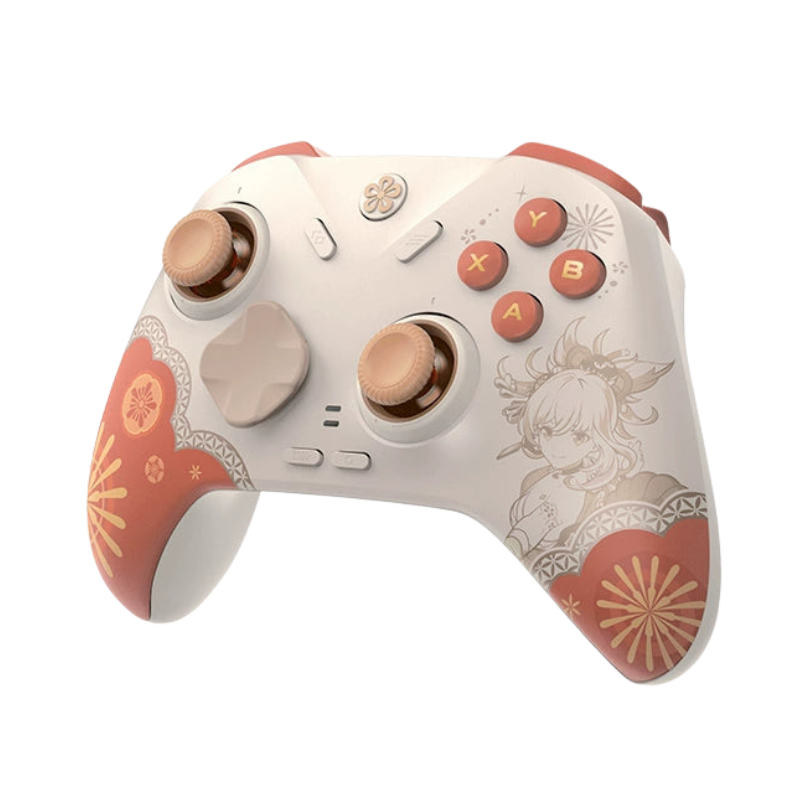
Ever wonder what happens when the lead mastermind behind a massive hit leaves the company to start their own thing? We're seeing it happen right now. "KMAN," the founder and lead designer behind BIGBIG WON — the guy responsible for the Rainbow 2 Pro and the Blitz 2 — is now the head of LEADJOY. The Xeno Plus is his first major swing under the new banner.
For the uninitiated, KMAN's work literally changed the third-party controller scene. Remember when ImperialHal used a Blitz 2 in a pro ALGS match and raved about it? That was KMAN's baby. While Hal has probably moved on to whatever flavor of the month is currently in his mail, the impact remains: these controllers were the first to make hardcore FPS players actually take 3rd-party gear seriously.
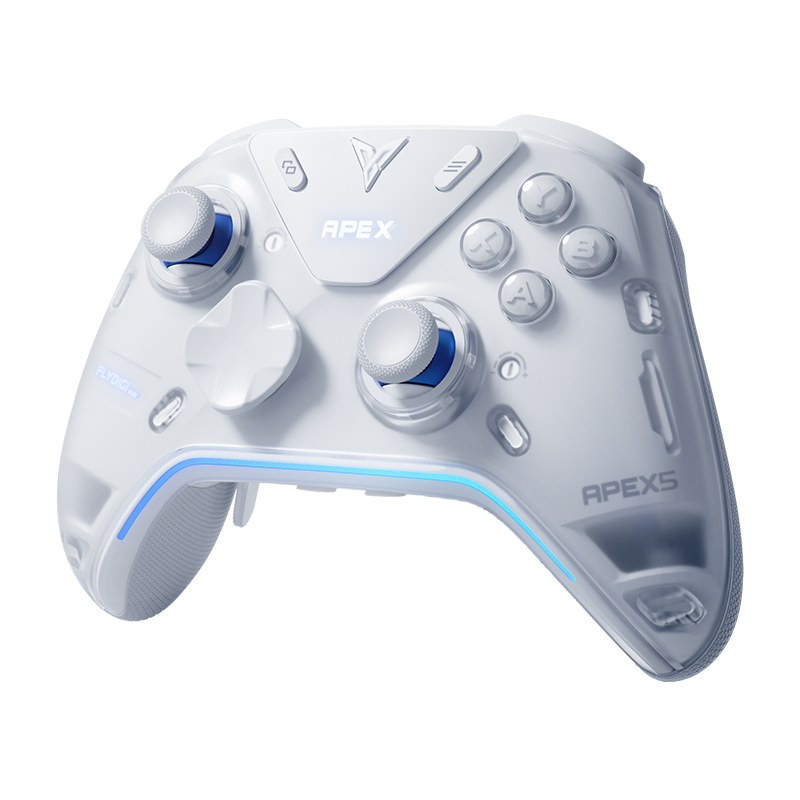
So, how does the new Leadjoy Xeno Plus ($59.99) stack up against the veteran BIGBIG WON Blitz 2 TMR ($79.99)? Let's get into it.
Section 01
Ergonomics: Small Hands, Big Comfort

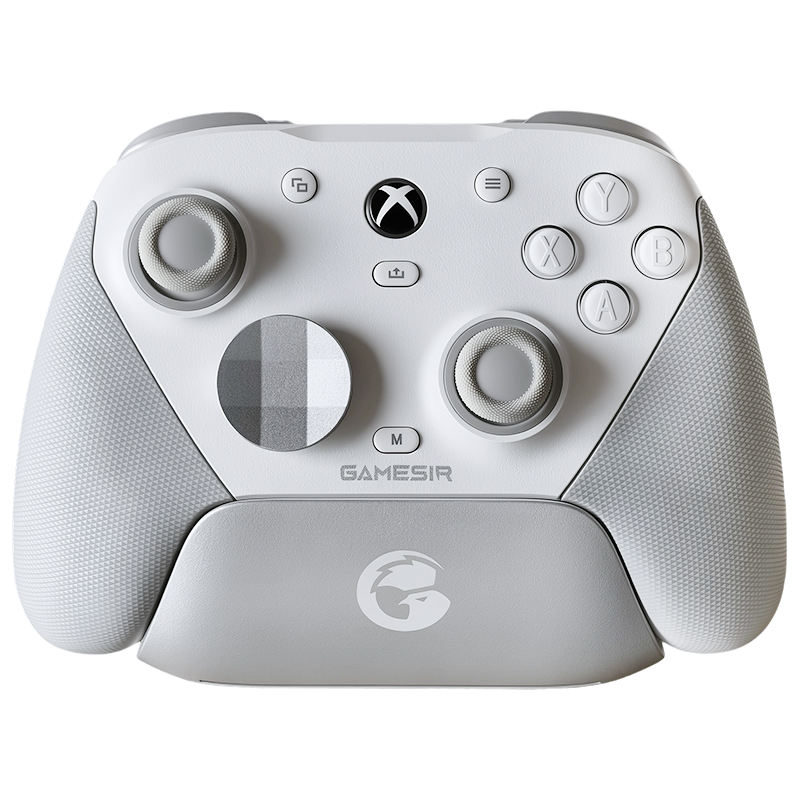
Both controllers share a similar DNA. Compared to a standard Xbox Series controller, they feel slightly smaller and flatter — and as someone who isn't rocking XL-sized hands, that's actually a preference, not a compromise.
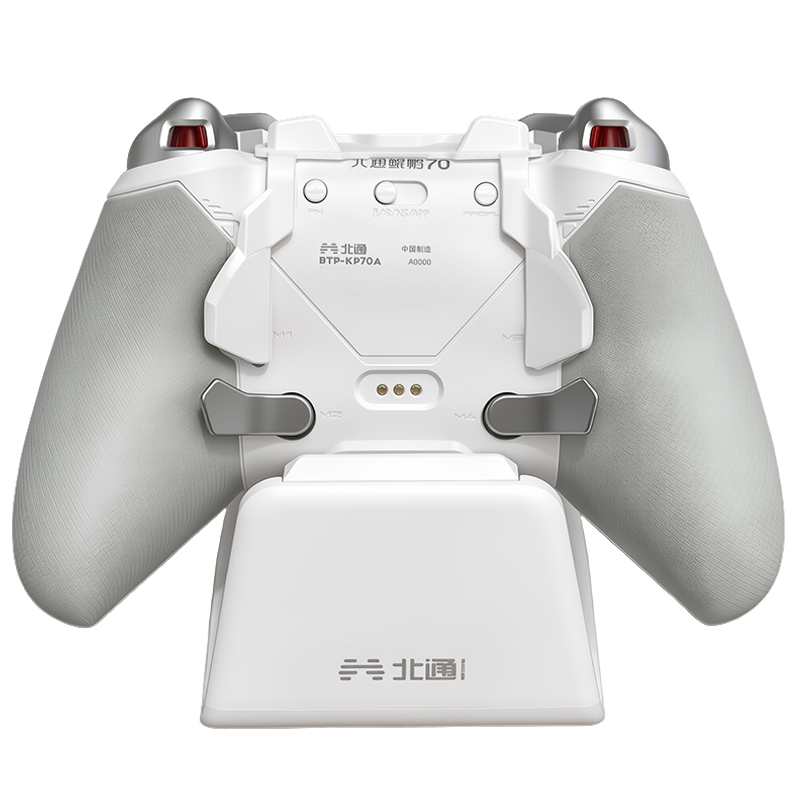
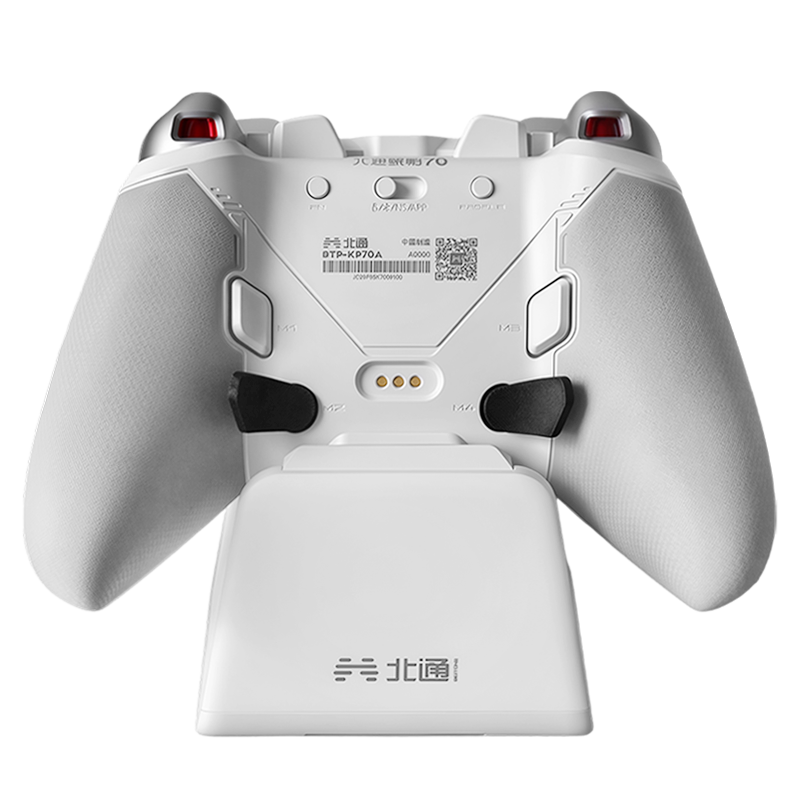
The Blitz 2 TMR feels definitively like the "flagship." Rubberized grips, 16 mechanical buttons, and just enough extra heft to signal that "I spent $80" kind of confidence in the hand. The Xeno Plus is leaner — designed to test the market waters, so it skips the rubber grips — but it's surprisingly ergonomic. The contour work is clean.
Section 02
The Buttons: Quality Over Quantity?

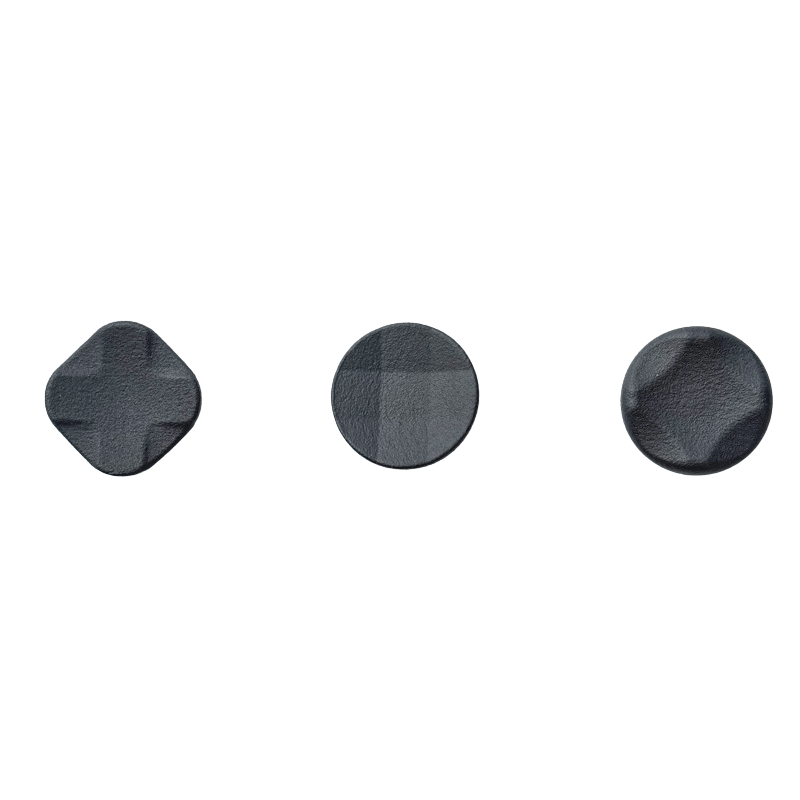
The Blitz 2 is a mechanical beast with 16 switches. But the Xeno Plus makes targeted upgrades where they count most. The face buttons — ABXY — have a noticeably larger contact area, giving you a much better sense of security during high-intensity fights. Less chance of a glancing press registering wrong.
The big one for me is the trigger. The Xeno Plus has dual-mode triggers with a physical toggle to switch between micro-switch and linear feel. The Blitz 2, somehow, lacks this despite being marketed as the "FPS King." That's a genuine miss. On back buttons, the Blitz 2's 2-shoulder + 2-back layout remains top-tier for ergonomics, while the Xeno Plus uses 4 parallel backs — snappy and reliable, if slightly less intuitive to reach initially.
Section 03
The Real MVP: The TMR Joysticks

Both controllers use TMR (Tunnel Magnetoresistance) technology, but two years in consumer tech is a lifetime of iteration. The Xeno Plus runs the JS13 Pro — a newer module that's generated real buzz in the FPS community for its precision. It's as close as we've come to the tactile clarity of an ALPS potentiometer without the inevitable stick drift waiting down the line.
Leadjoy also upgraded the software side. Dedicated algorithms tackle stick jitter, and a separate chip handles dynamic filtering, reducing the computational "smoothing" tax that can make inputs feel sluggish. The result feels raw in the best way — immediate, without noise.
Section 04
Performance: It's Not Just About Polling Rates

We're currently in an 8000Hz polling rate marketing war, but numbers only matter in context. Wired latency on the Blitz 2 sits around 5.1ms — excellent for a 2024 controller. The Xeno Plus clocks in at 2.6ms wired. While 2.6ms isn't a record in 2026's competitive landscape, it's objectively excellent for everyday and competitive use.
But the more interesting story is smoothness. Take the Sony DualSense Edge: it only runs 8-bit (256-step) sampling, but it feels smoother than many 12-bit "pro" controllers. The reason is calibration — tuned for human perception rather than spec sheets. The Xeno Plus hits that same tier of smoothness. No notchy, steppy sensation when making micro-adjustments in a long-range spray. It just tracks.
Section 05
The "Secret Sauce": AI Curves & Gyro

Leadjoy is leaning hard into AI-assisted tuning here. The Xeno Plus can intelligently analyze a game's built-in input curve and generate a counter-curve that neutralizes it — flattening forced deadzones or wonky response curves you can't otherwise disable. If you've ever tried to replicate clean Apex Pro settings inside a game with locked input options, this feature is a literal godsend.
For the gyro crowd — all 1% of us — the Xeno Plus also carries forward the excellent gyro implementation from the BigBig Won era. Flick-shots and recoil compensation feel as snappy as they ever did. The lineage is unmistakable.
● Final Verdict
The student has officially surpassed the teacher.
The Xeno Plus feels like KMAN took everything he learned building the Blitz 2, stripped the unnecessary fluff, and dropped in a better engine. For $59.99, you're getting newer TMR hardware, half the wired latency, dual-mode triggers, and smart AI curve technology. The Blitz 2 is still a legend — but at $20 more, it's a harder sell in 2026.



Leave a comment
All comments are moderated before being published.
This site is protected by hCaptcha and the hCaptcha Privacy Policy and Terms of Service apply.