































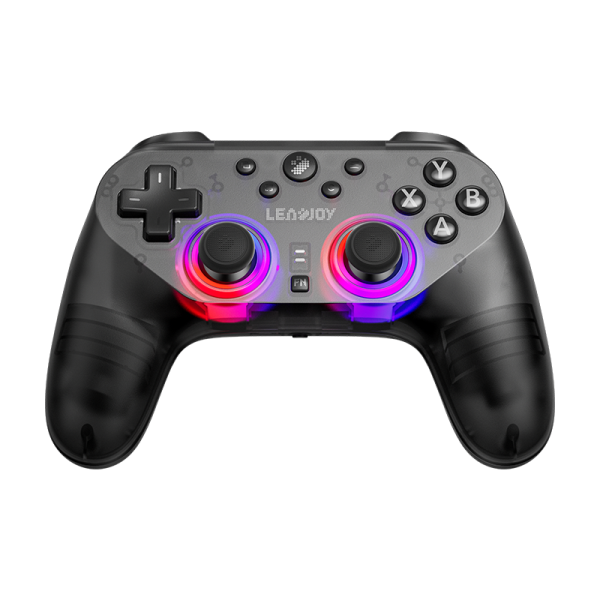

We Took Apart the LEADJOY Xeno Pro — 16 Micro Switches and One Clever Gearbox
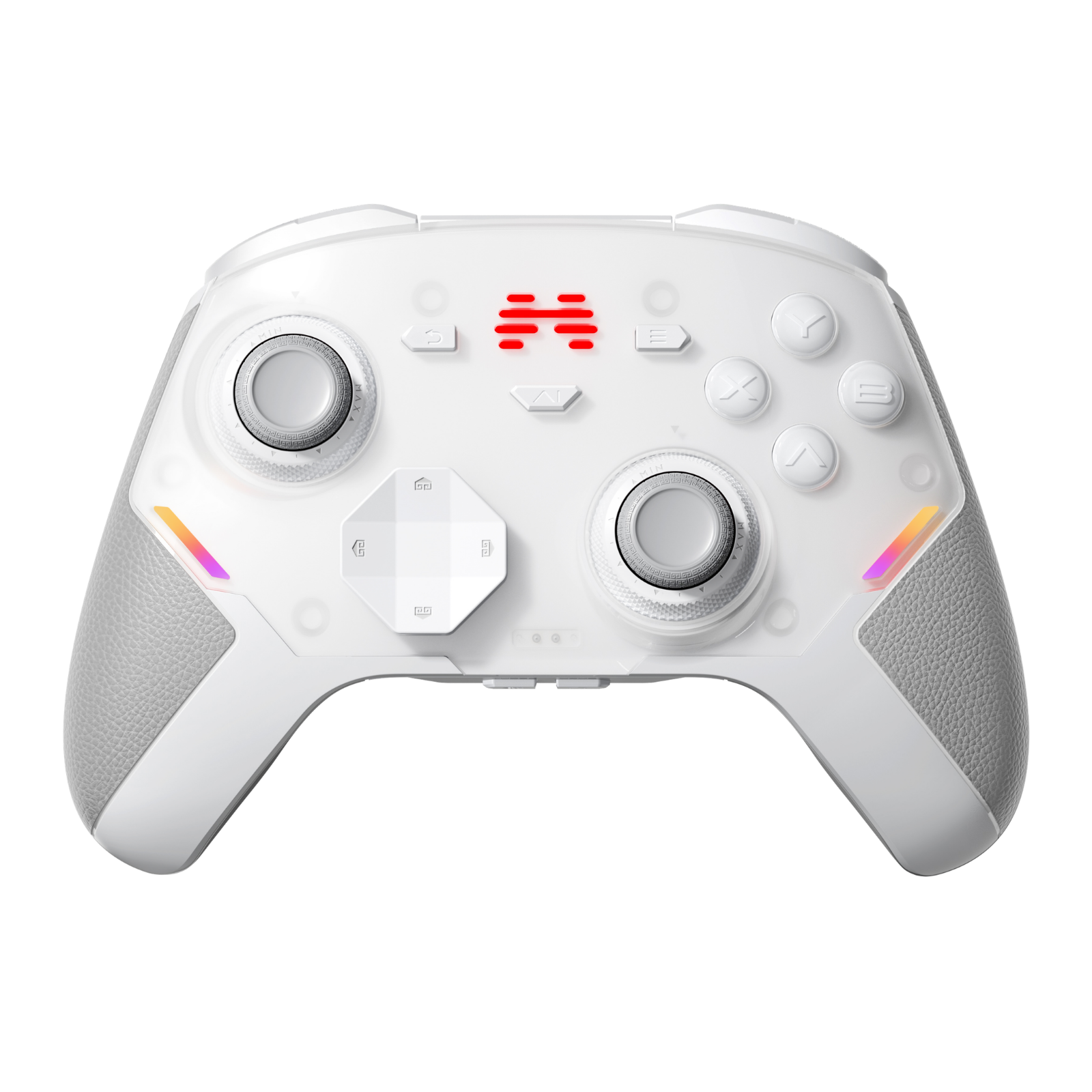
The Xeno Pro's pitch is "full micro-switch everything for $69.99, dock included." But does the inside actually back that up — or is it 16 cheap switches and good marketing? We went under the shell to find out, and the answer is: the hardware is the real deal, and some of the best details are the ones nobody advertises.
This teardown is adapted, with authorization, from a teardown video by Bilibili creator 穿睡衣的芋头 (Chuan Shuiyi de Yutou) — watch the original video. Reorganized by theme with our own context added.
(Yes, we sell the Xeno Pro — link at the bottom, but today the bench does the talking.)

Unboxing Notes
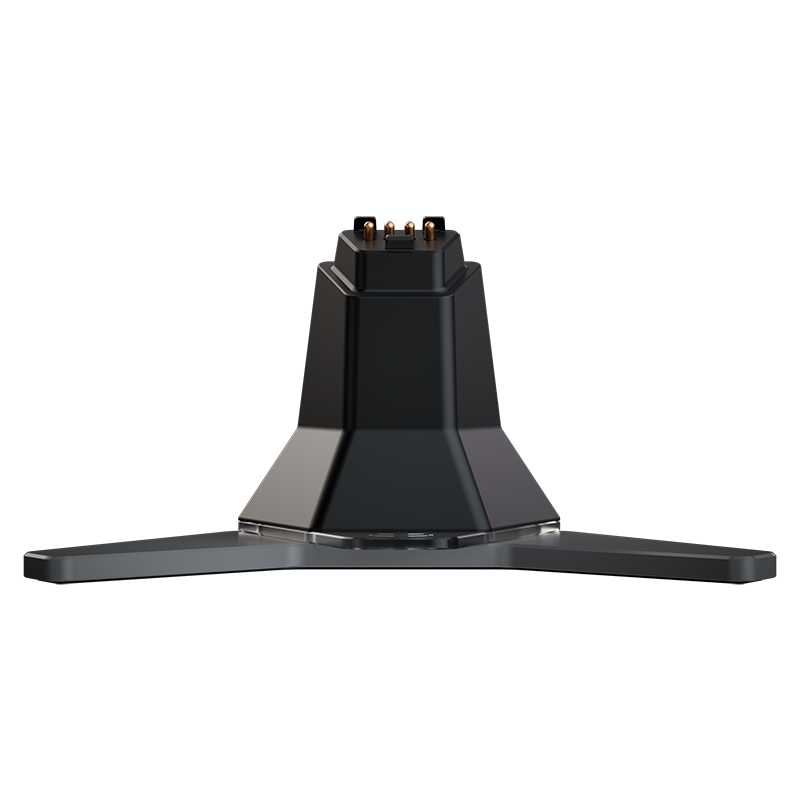
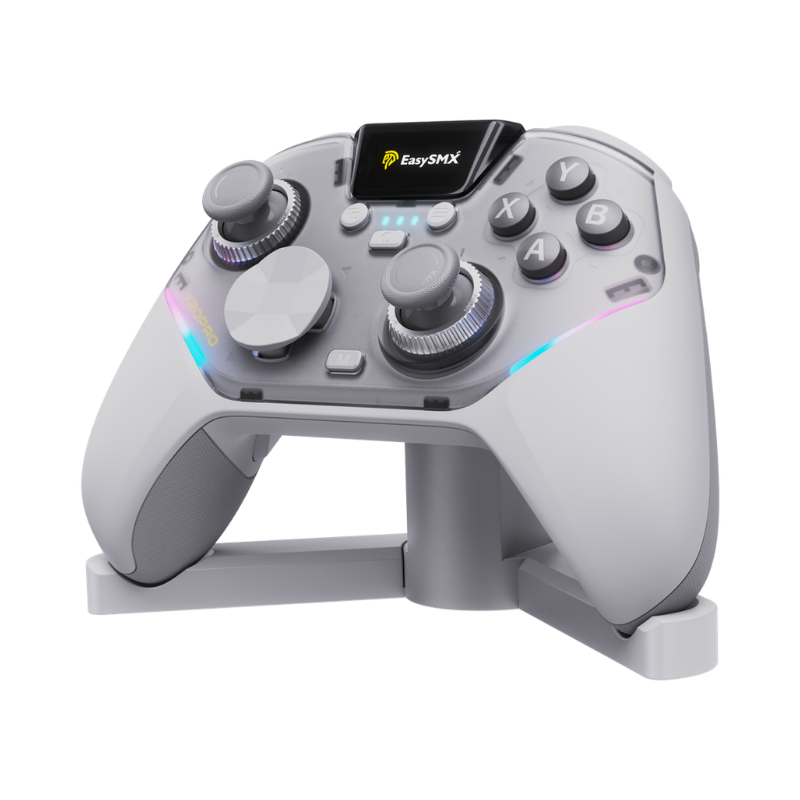
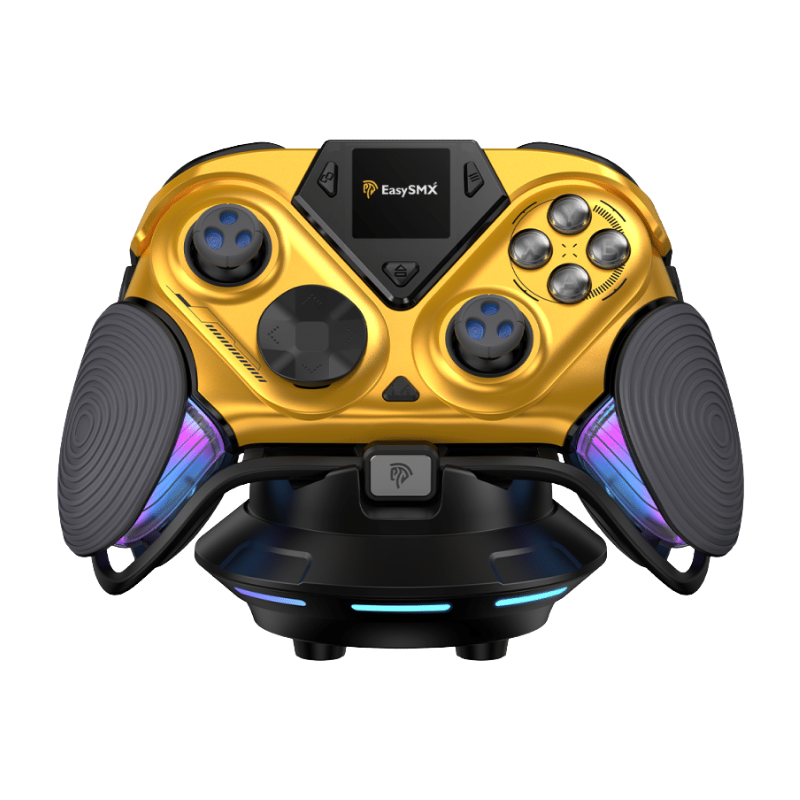
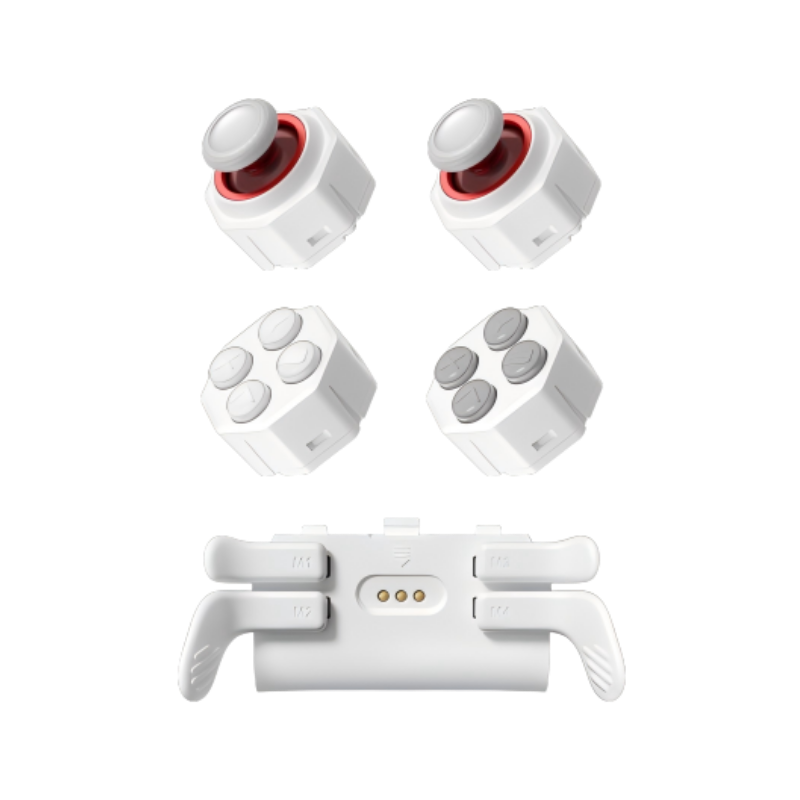
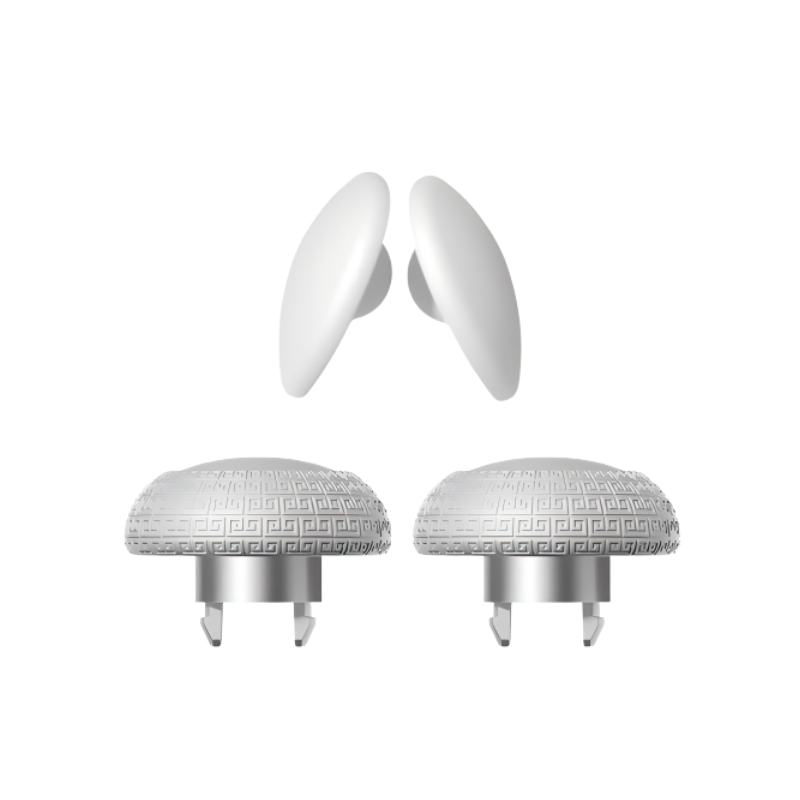
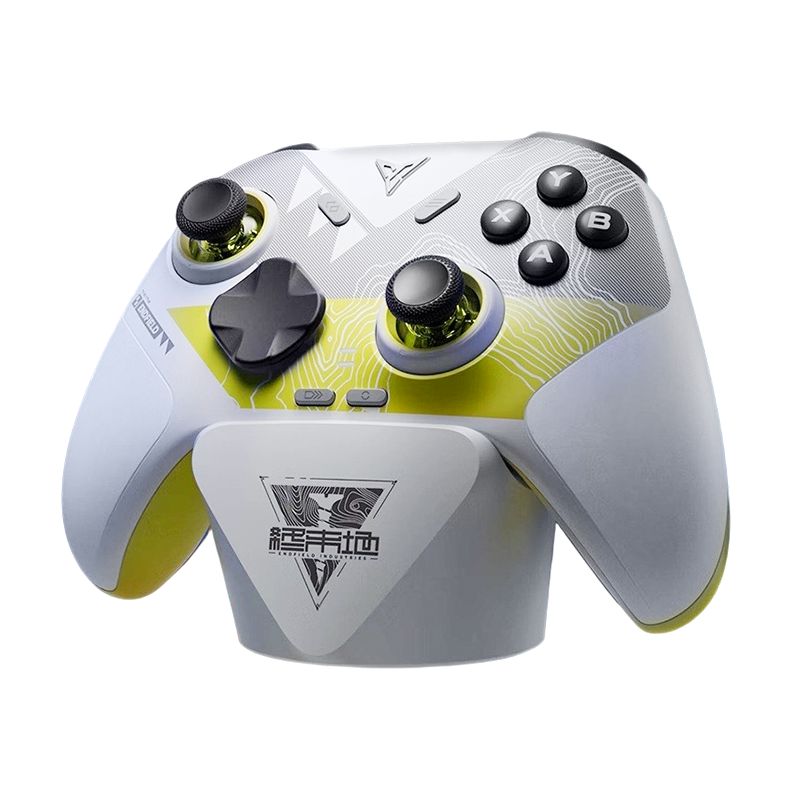
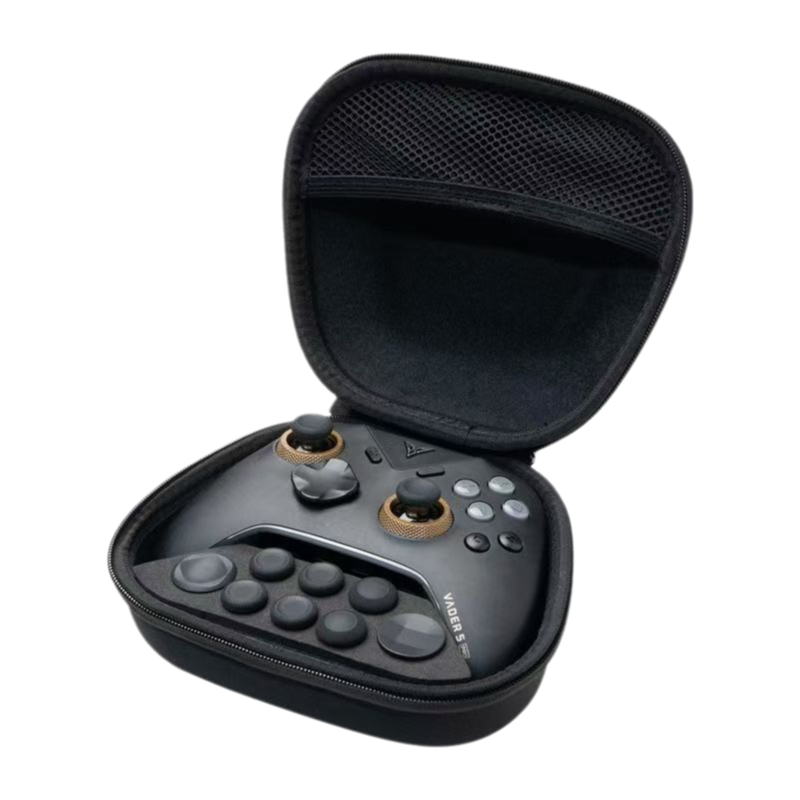
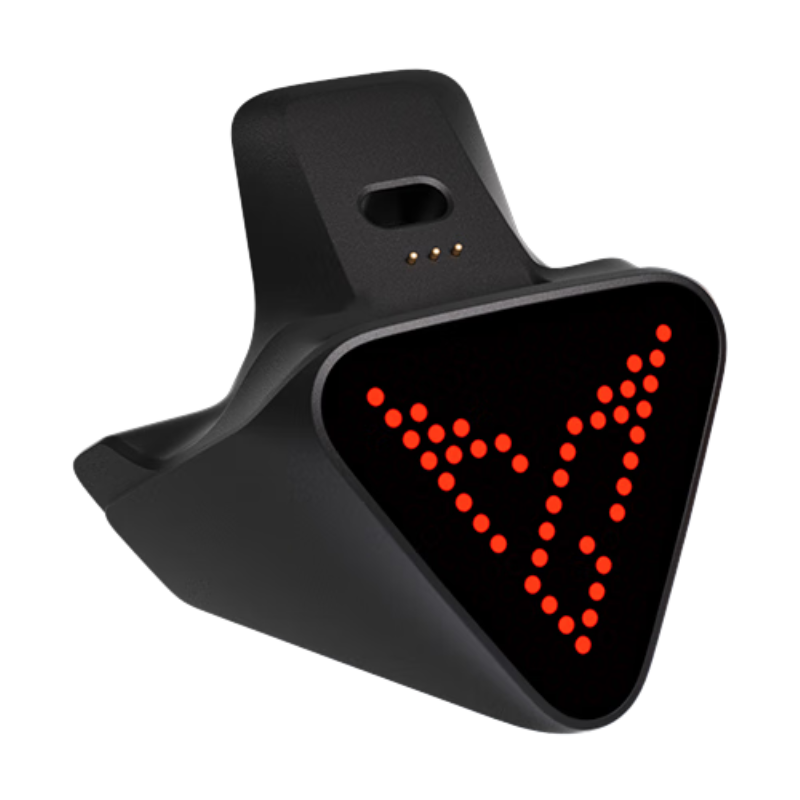
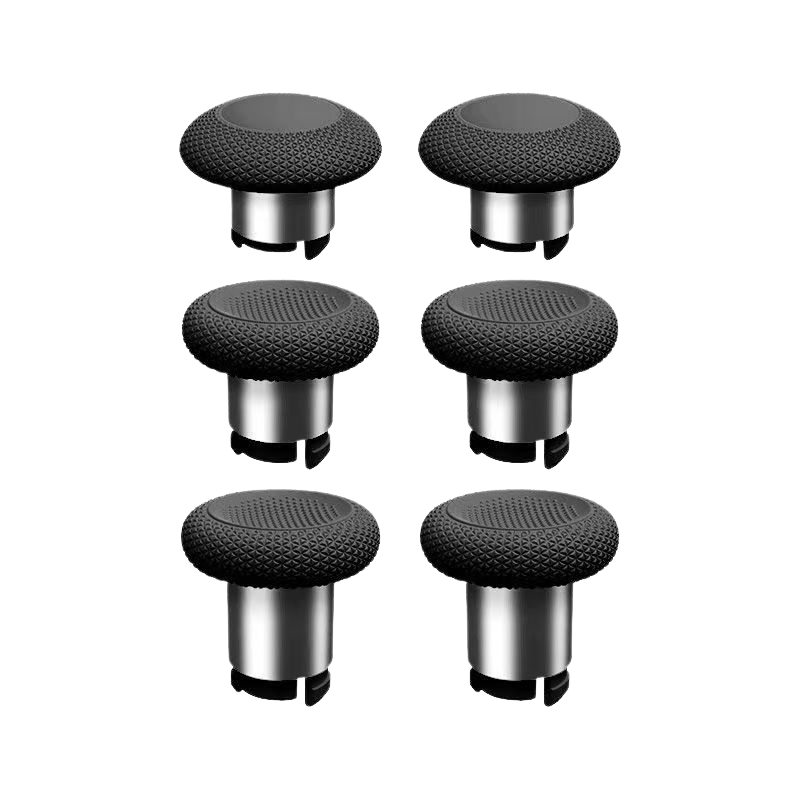
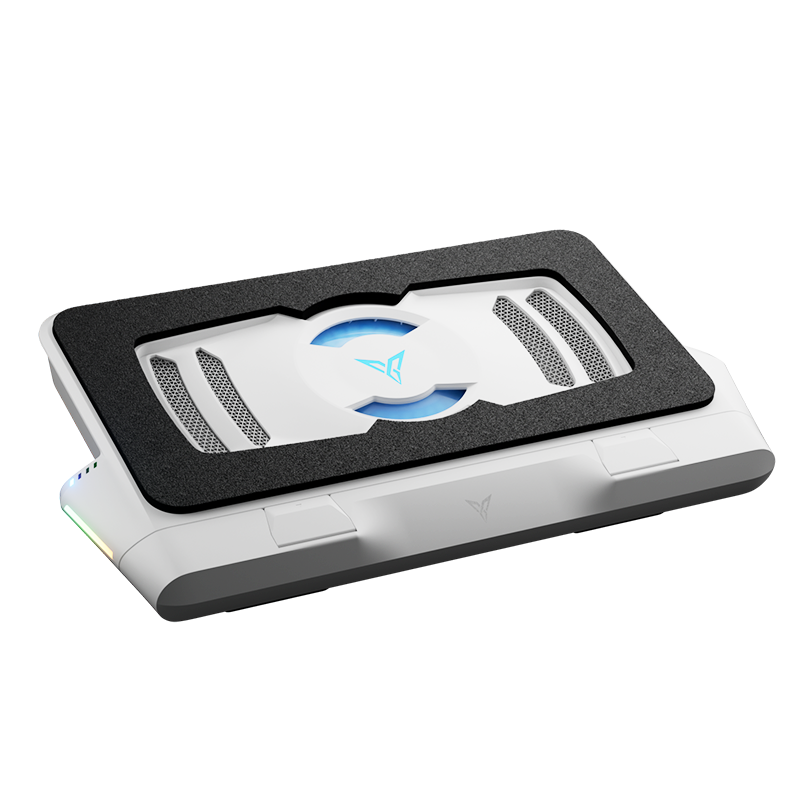
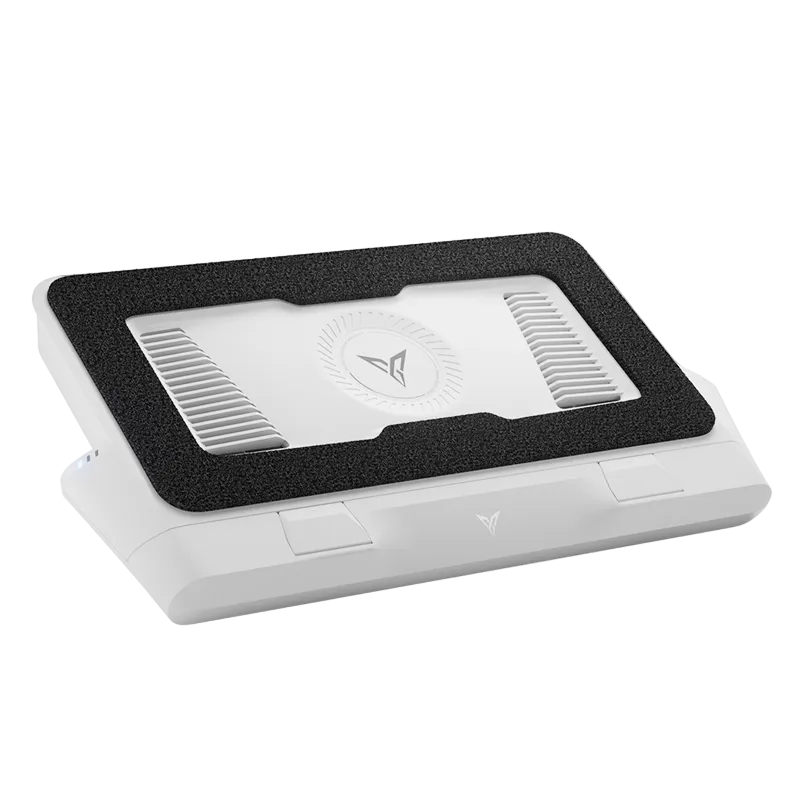
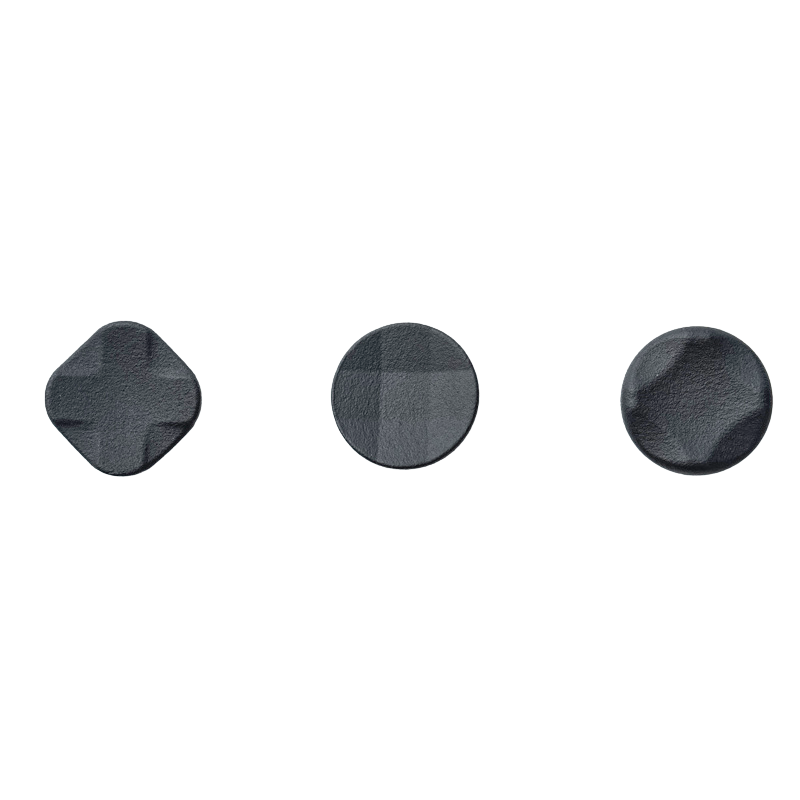
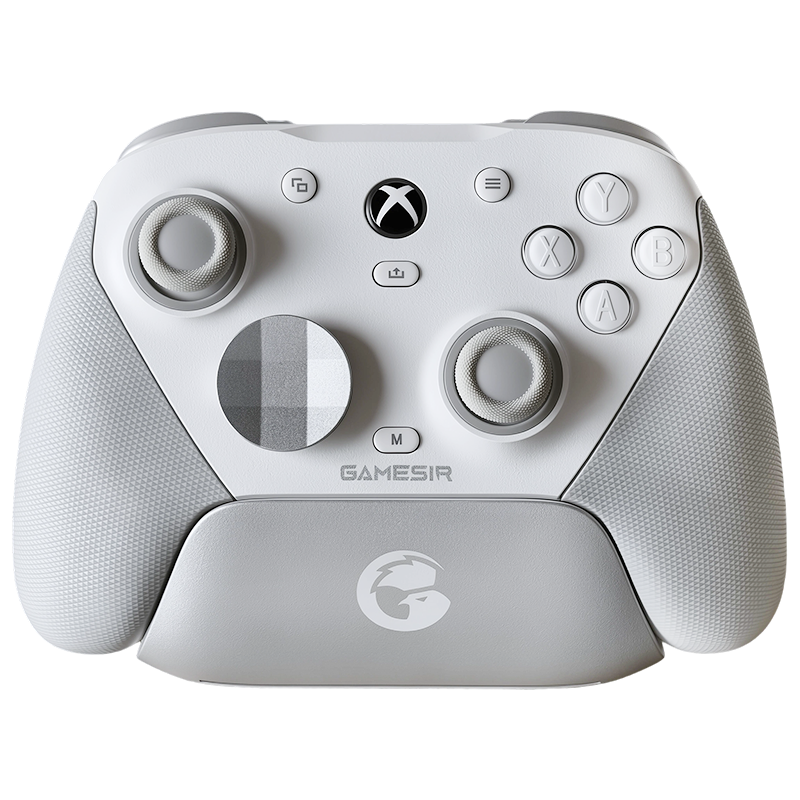
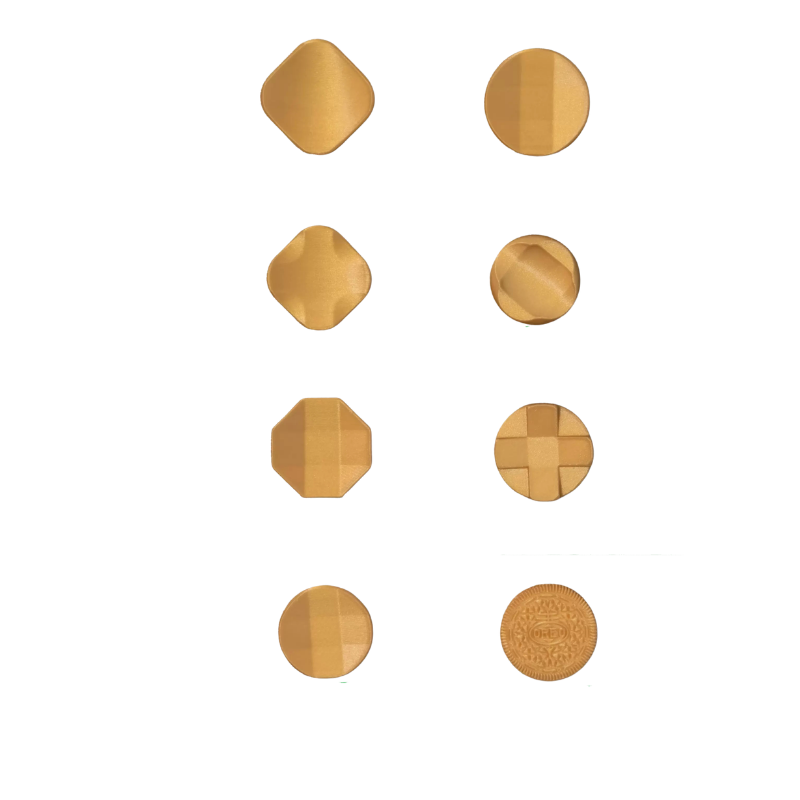
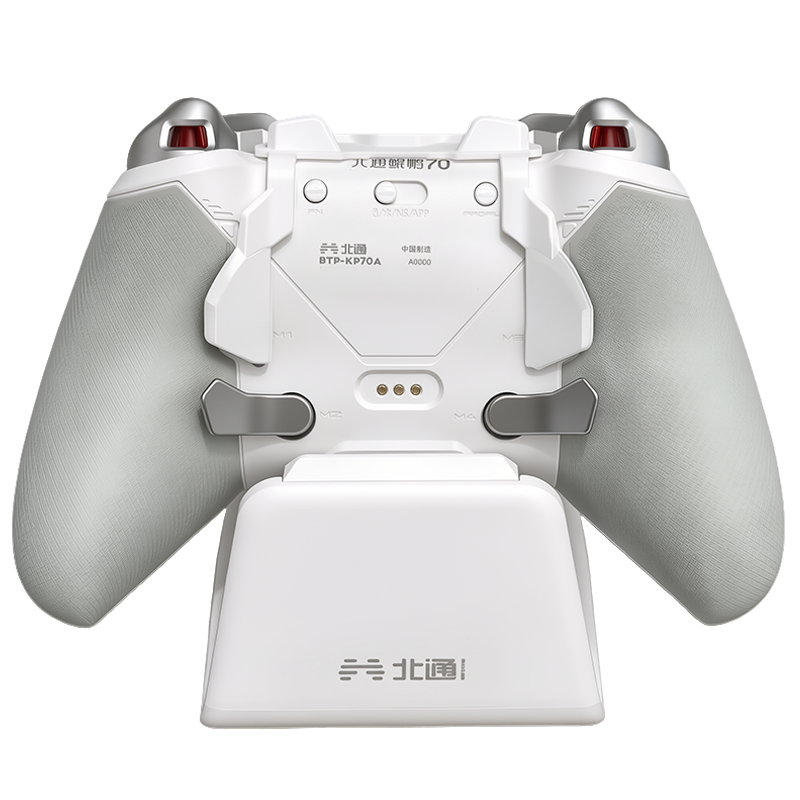
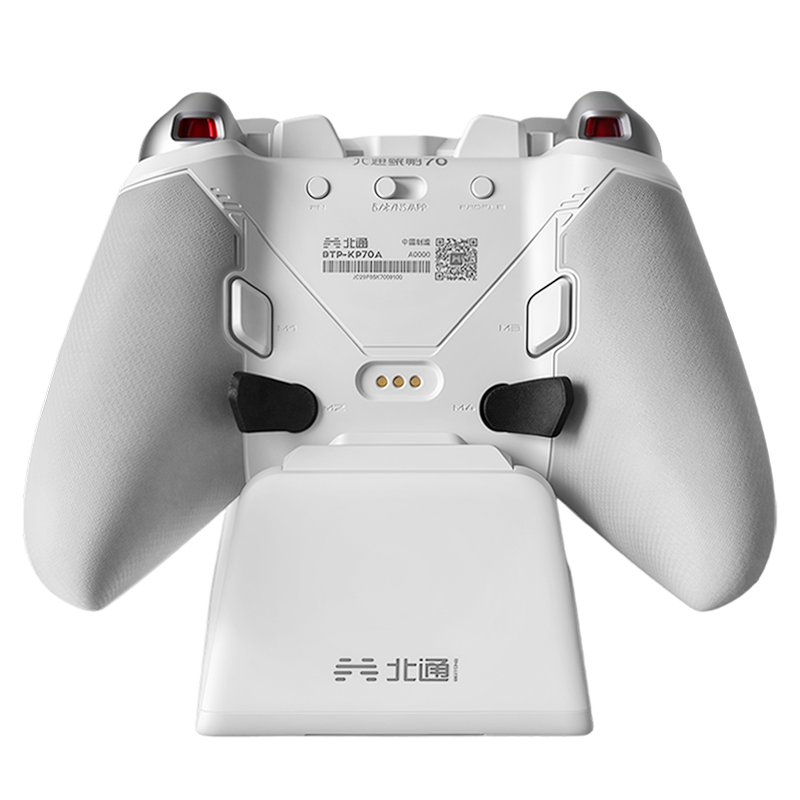
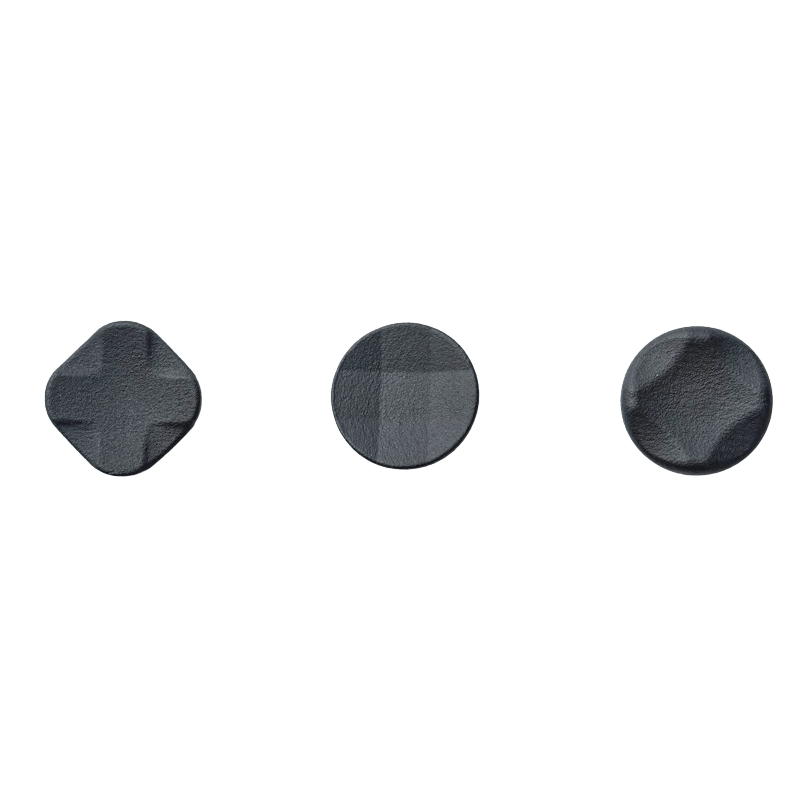
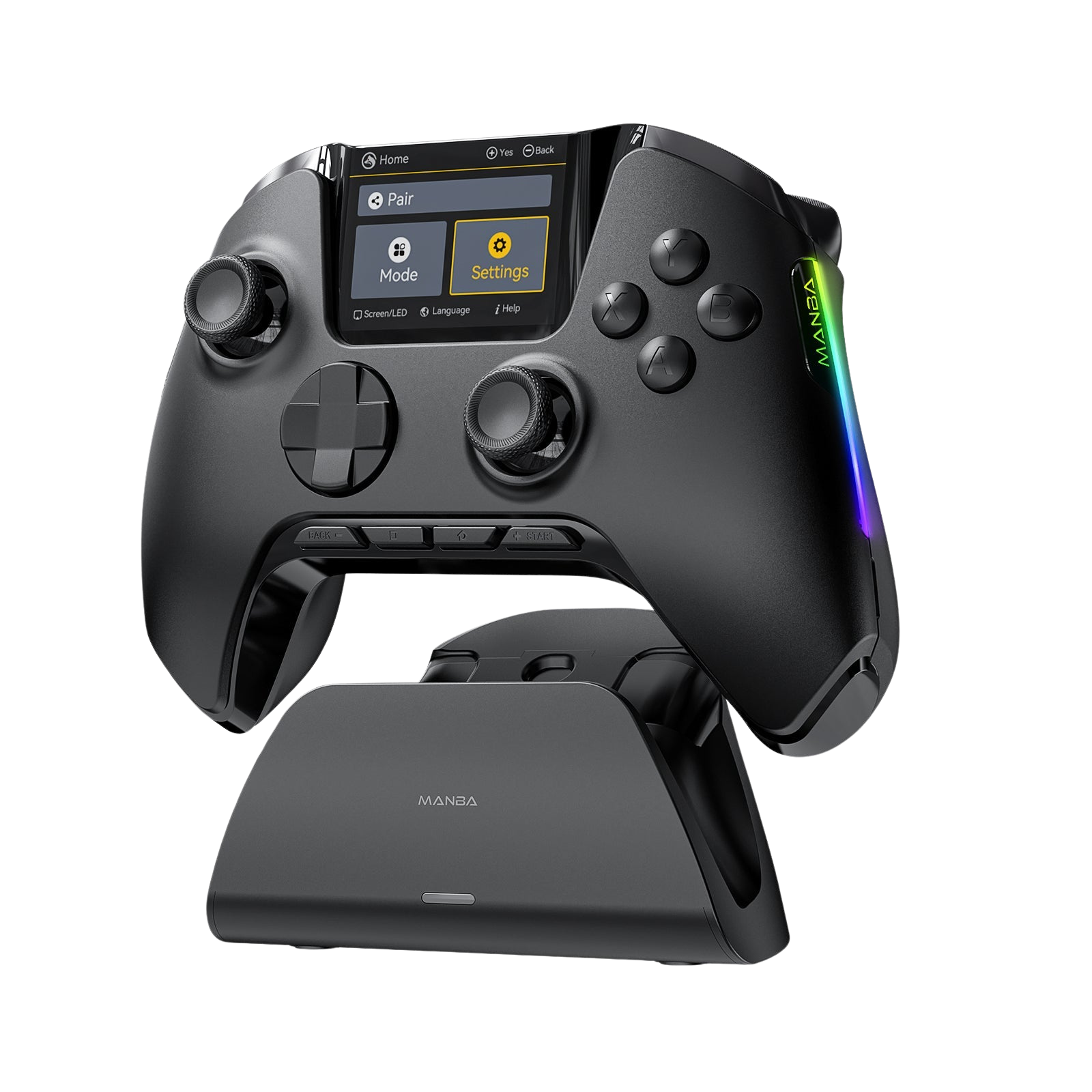
The package itself deserves a quick nod: a 1.8m braided A-to-C cable in a genuinely soft, easy-to-manage weave, swappable D-pad and stick cap options, and the wireless charging dock — which doubles as a hub, with the receiver plugging into the back of it. One charming detail from the bench: the rubber stick caps are a split design that pulls right off the stem, they're very soft, and the anti-slip grip is borderline absurd — at maximum stick tension, a light fingertip touch still won't slip. They're also sold separately, which matters because grippy rubber is a wear item.

The 16 Micro Switches, Spec by Spec
All switch-force numbers below are bench feel estimates from the teardown — hands, not instruments — so treat them as ballpark:
Kailh blue-dot large micros, roughly ~70 gf feel — notably lighter than their spec-sheet siblings elsewhere on the controller. And a detail we love: the caps are enlarged, visibly bigger than a standard Xbox controller's (think Nacon sizing), with a slightly rounded top surface. Bigger target, friendlier press — the creator's phrase was that resting your thumb on one feels like a fingertip massage. Underneath, the silicone spring arm has a small shim of padding tape added for feel consistency. That's tuning you can't see from outside.
Kailh green-dot micros, ~70 gf feel, in a standard framed pivot layout.
Kailh side-insert white-dot micros, ~120 gf on paper — but the bumper is a lever with the switch set toward the inside, so the effective press force comes out much lighter. There's a return spring underneath and rubber pads cushioning both bottom-out points. Honest note, consistent with our review: the shoulder feedback is on the soft side — the one switch position that splits opinion on this controller.
Kailh red-dot micros, ~120 gf feel — the firmest switches on the pad, which suits a trigger. Play is well controlled and both sides feel identical (a clear step up from the Xeno Plus, whose trigger play was a known gripe).
Two tiers. The outer pair are Kailh blue-dot LARGE micros — ~160 gf spec, though they feel lighter thanks to rubber padding on the contact path. The inner pair are Kailh green-dot SMD micros at ~70 gf, direct-acting, tuned light because you push these inward rather than press down.
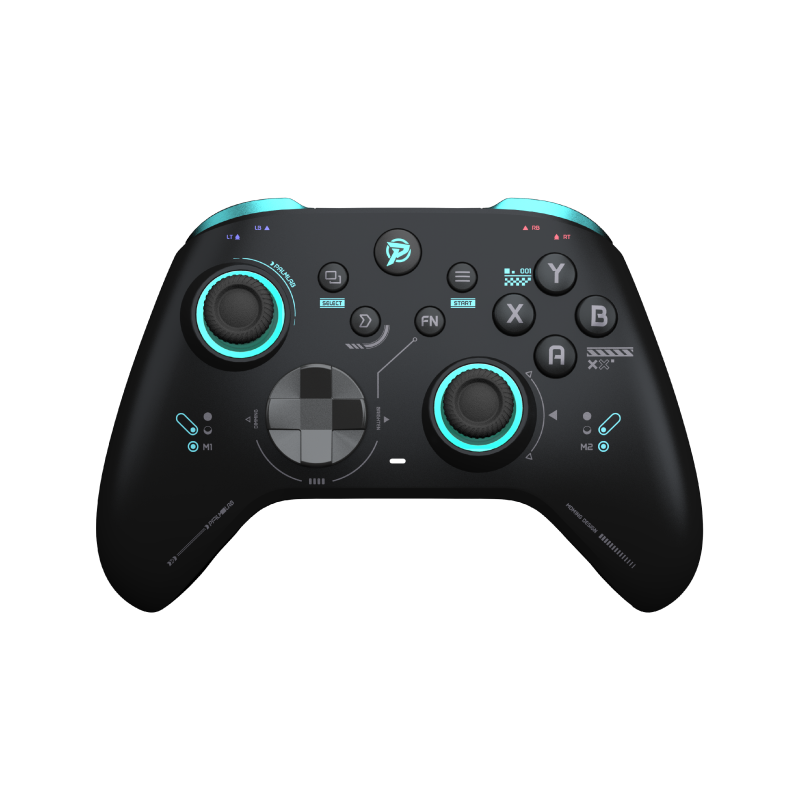
Final count: 16 micro switches, six of them large-format (ABXY + outer back buttons). At this price, that bill of materials is unheard of.

The Adjustable-Tension Stick, Mechanically Speaking
Here's the teardown's most exclusive segment — how the tension ring actually works. The stick is a self-contained module (the Ginfull KT26 TMR unit) on its own ribbon cable. Around its base sits a geared ring with a spring-loaded detent structure for those crisp stepped clicks. The whole trick, executed cleanly:
Ring — turn the geared ring; a spring-loaded detent gives those crisp stepped clicks.
Gear — the ring drives a central gear inside the stick body.
Platform — the gear is linked to a white platform: rotate one way and it slowly RISES, compressing the central spring; rotate back and it lowers, relaxing the spring.
Spring — spring pressure against the stick's centering mechanism = your resistance. Ring → gear → platform → spring.
Inside, the module is generously greased. The X/Y sensors sit opposite their magnets, and the stick press (L3/R3) is handled by a metal dome on the FPC — but a crisp one; first touch had the creator convinced it was a micro switch. On the tester: a nearly straight linearity curve (right stick a touch straighter than the left — normal unit variance), excellent centering, and impressively little play even at the lightest tension setting.

Triggers and Vibration
Two details here deserve more attention than they'd ever get on a product page.
The dual-mode toggle: the sliding selector is a purple two-position switch whose white actuator arm engages the micro underneath. Its detent is a spring-loaded steel ball — with a dab of grease on top — so mode switching has a clean, positive click. The creator compared it to a fidget toy, and honestly, fair.
The vibration hardware: the grip motors use two DIFFERENTLY-SIZED eccentric weights — the same arrangement as an original Xbox controller (multi-blade large weight on one side, small weight on the other). This matters more than it sounds: cost-cutting builds often use the large weight style with fewer blades, which blurs the difference between left and right and smears every effect into one buzz. With distinct weights, the small side renders fine, high-frequency texture while the big side delivers heavy thumps. Meanwhile the trigger motor is a vertically-mounted coin motor, and the trigger slide contact surfaces are generously greased.

The Stuff Nobody Puts on a Box
- The interior is genuinely tidy — organized ribbon runs, socketed connections for both motor pairs, and multiple screw specs used deliberately for different sub-assemblies (mainboard, midframe, D-pad frame). Reassembly notes included the classic teardown wisdom: keep your screw lengths sorted.
- Consistency tuning hides everywhere: the shim under the ABXY silicone, rubber pads on switch contact paths, soft-gasket bases under the menu/pair buttons so metal switches don't feel harsh.
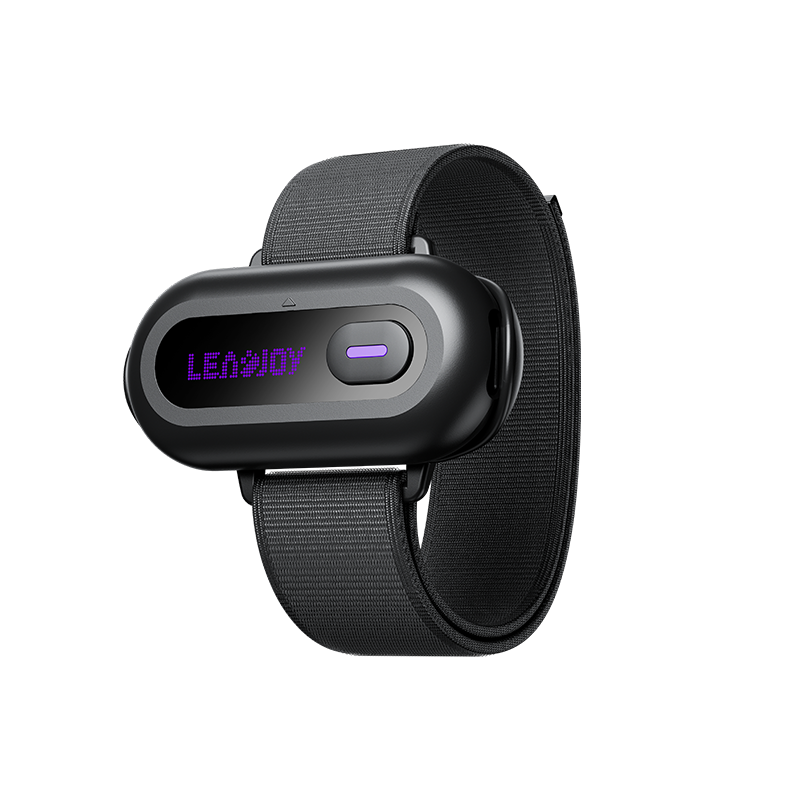
- Battery is a 1000mAh cell, and 2.4GHz polling checks out at a true 1000Hz.
A Statement, Not Just a Price
After this teardown, the Xeno Pro's "$69.99 with a dock" reads less like aggressive pricing and more like a statement. Sixteen micro switches — six of them large-format. A geared tension mechanism that's mechanical, legible, and satisfying. Xbox-grade vibration weights where cheaper parts would do. And tiny, invisible tuning touches in the places you'd never check.
Why does this controller feel so consistent from button to button? Because someone padded the spring arms, matched the switches, and greased the detents. Now you've seen it too.

LEADJOY Xeno Pro
$69.9916 micro switches, adjustable-tension stick, four motors — with the charging dock in the box.






Leave a comment
All comments are moderated before being published.
This site is protected by hCaptcha and the hCaptcha Privacy Policy and Terms of Service apply.