































Stick Drift, Explained: How Analog Sticks Actually Work, Why They Die, and Why "Hall Effect" Isn't the Full Cure
Hey everyone — Ray from GadgetHyper here. If you owned a first-gen Switch, you probably met stick drift: the camera slowly panning left while your Joy-Con sat untouched on the table.
It got so widespread it spawned class-action lawsuits and a free repair program. But Joy-Cons aren't cursed — drift is just what happens when a clever-but-fragile piece of engineering meets thousands of hours of use. So let's talk about how an analog stick actually works, why it starts lying to you, and what it genuinely takes to fix it.
Classic potentiometer sticks drift because a physical wiper scrubs a carbon track until it wears out (or dust crashes the party). Hall effect sticks kill that electrical wear — but drift can still creep back through mechanical wear in the recentering mechanism. Fixing drift for good means redesigning the mechanism, not just the sensor.
First, a Quick Map of How Your Controller Reads You
A modern pad is a bag of tricks: analog triggers use a magnet and a Hall sensor to measure exactly how far you've pulled (that's how racing games get throttle control), rumble motors shake your hands, a gyroscope tracks tilt. But the heart of the thing is the two sticks — your character's legs on the left, your camera's eyes on the right. Centering accuracy, consistency, and resistance to drift are basically the core specs of any controller. So how does a stick actually measure movement?
The Classic: Potentiometer Sticks
Inside a traditional stick there's a stem, a spring, and a plastic gimbal that splits your push into X-axis and Y-axis rotation — each axis watched by a carbon-film potentiometer. A potentiometer is just a sliding resistor: a little wiper rides along a carbon track, and since resistance scales with track length, tilting the stick changes the contact point, changes the resistance, changes the voltage. Read both voltages and you know exactly where the stick is. Cheap, precise, elegant. This is what's inside most controllers ever made — Joy-Cons included.
Why It Drifts
Two failure modes, both physical:
Wear
Every flick of the stick scrubs the wiper across the carbon film. Under heavy use the contact surface literally grinds down, and the resistance readings get noisy and imprecise.
Debris
Dust and grime work their way inside and interfere with the wiper's contact, producing phantom readings.
Either way, the result is the same: the stick reports movement that didn't happen. Hello, drift.
The industry's traditional fixes are band-aids on this design. Dust covers slow down contamination. Tougher carbon materials slow down wear. And the most common "fix" is purely software: deadzones — telling the controller to ignore small inputs around center.
A deadzone hides mild drift, but the cost is real: you've just deleted a chunk of usable, precise input range in the middle of your stick. The bigger the deadzone, the less the drift shows — and the worse fine aim feels.
The First Real Fix: Hall Effect Sticks
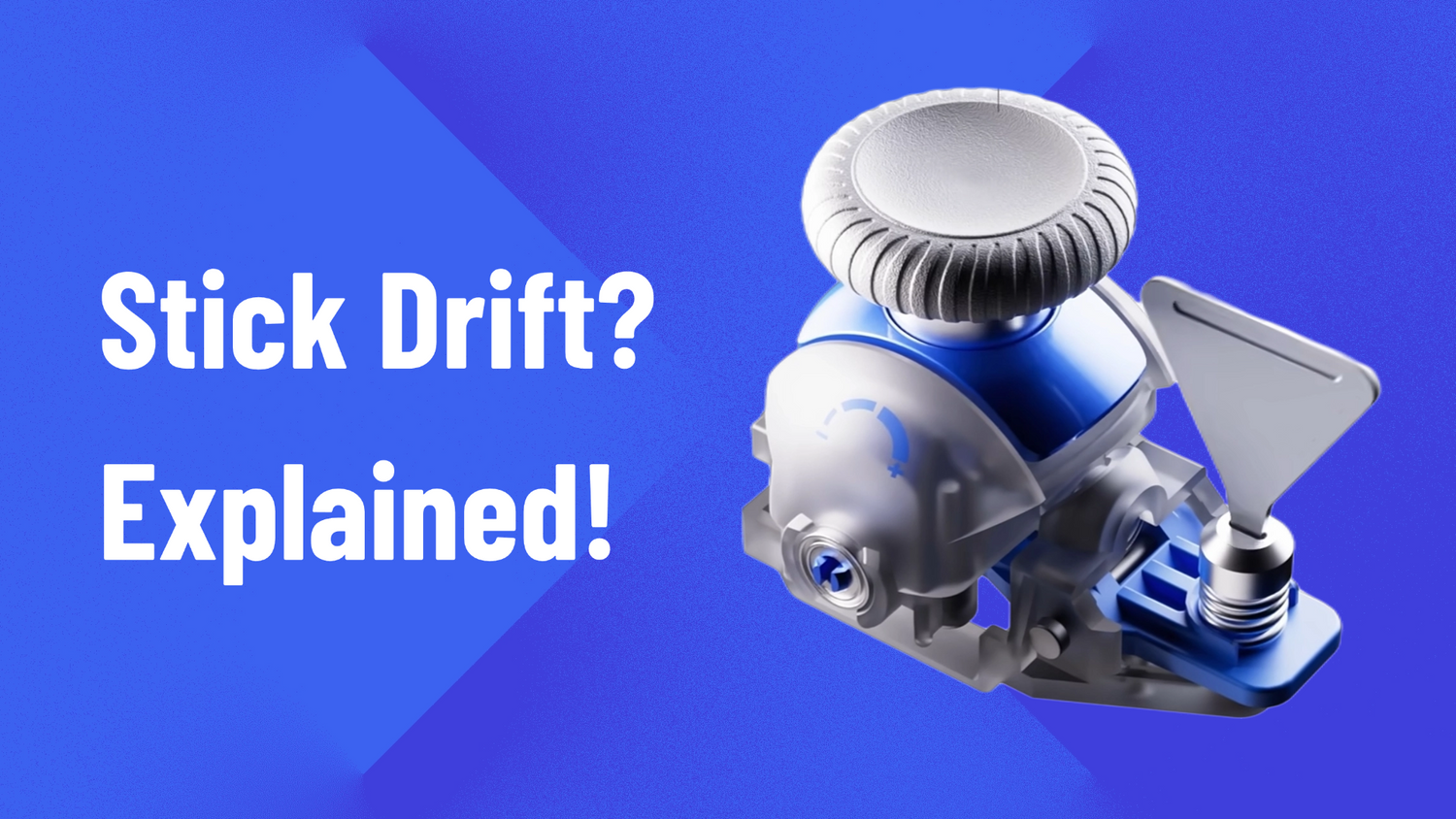
Same trick as the analog triggers: replace the potentiometers with magnets, and put Hall sensors on the PCB to read the magnetic field as the stick moves. No wiper, no carbon track, no physical contact at all — which means the entire wear-and-dust electrical failure mode is designed out at the hardware level. And because the mechanical structure (stem, spring, gimbal) stays the same, Hall modules drop straight into existing controller designs.
While we're here, let's bury a myth: "Hall sticks feel worse than potentiometer sticks." They don't. Stick feel comes from the spring stiffness and the stem length — identical parts in both designs. The wiper-on-carbon friction that supposedly gave old sticks their "character" is physically negligible. If a Hall stick feels bad, blame the spring tune, not the sensor.
The Plot Twist: Hall Isn't Immortality
Here's the part the marketing pages skip. Hall sensors make the electrical side immortal — but the mechanical side is unchanged. In a traditional design, the recentering spring pushes directly on the stem, and every push and release grinds the stem against the housing. Over time that friction wears the parts down, play develops in the mechanism, and the stick no longer returns to exactly zero.
Congratulations: your contactless stick now drifts mechanically. The sensor is honest — the mechanism is lying about where center is.
So killing drift for good requires redesigning the recentering mechanism itself. Which is a nice segue to the most interesting example of that we've handled lately.
How the Flydigi Apex 5 Attacks Mechanical Drift
The Apex 5's "force-adjustable alloy stick" looks conventional — stem, spring, bracket — but the recentering logic is completely different:
Lever-Based Recentering
Instead of a spring shoving the stem directly, a pre-tensioned spring drives a rocker lever that constantly presses up against the stick's base. Pushing the stick means working against that lever; letting go means the lever pushes you back to dead center. The high-frequency stem-on-housing friction is gone — wear now happens across two large, flat, lubricated contact surfaces. Less stress per area, dramatically slower wear, and the play-develops-then-drifts pipeline is cut off structurally.
Adjustable Tension as a Side Effect
Because the spring is pre-tensioned by a screw, you can dial the resistance and rebound strength yourself — light and loose for one genre, tight and firm for another.
The Eccentric-Pivot Trick
A lever design creates a potential problem: the lever arm lengths aren't symmetric front-to-back, which would make push-forward feel different from pull-back. Flydigi's fix is an eccentric contact point inside the stem that equalizes the effective arm lengths, keeping resistance uniform in every direction. They also swapped the plastic pivot bearings for metal ones, for smoothness and durability.
Honest Algorithms
Hall sensors have a slightly nonlinear raw output, so the Apex 5 applies multi-segment curve correction — near-linear by default, with custom accel/decel curves if you want them. And here's my favorite detail: you can turn everything off — all smoothing, all deadzones — and watch the raw signal. Wiggle the untouched controller and you'll see tiny fluctuations on screen. That looks like a flaw, but it's actually the receipt: real zero-deadzone, unprocessed data, not a "cleaned up" illusion.
Measured with the open-source GPDL Latency Tester, soldered straight to the hardware — skipping the processing pipeline cuts input lag too.
So, Why Does Your Stick Drift?
Because the classic design asks a wiper to scrub a carbon track forever, and physics eventually collects the debt — or because dust got in first. Hall effect sticks genuinely solve that half of the problem. The other half — springs, stems, and housings wearing into sloppy centering — is only now getting real engineering attention, with lever-based recentering like the Apex 5's being the most complete answer we've seen so far. From carbon film to contactless sensors to re-engineered mechanisms, the war on drift has been fought on two fronts — and for the first time, both are winnable.

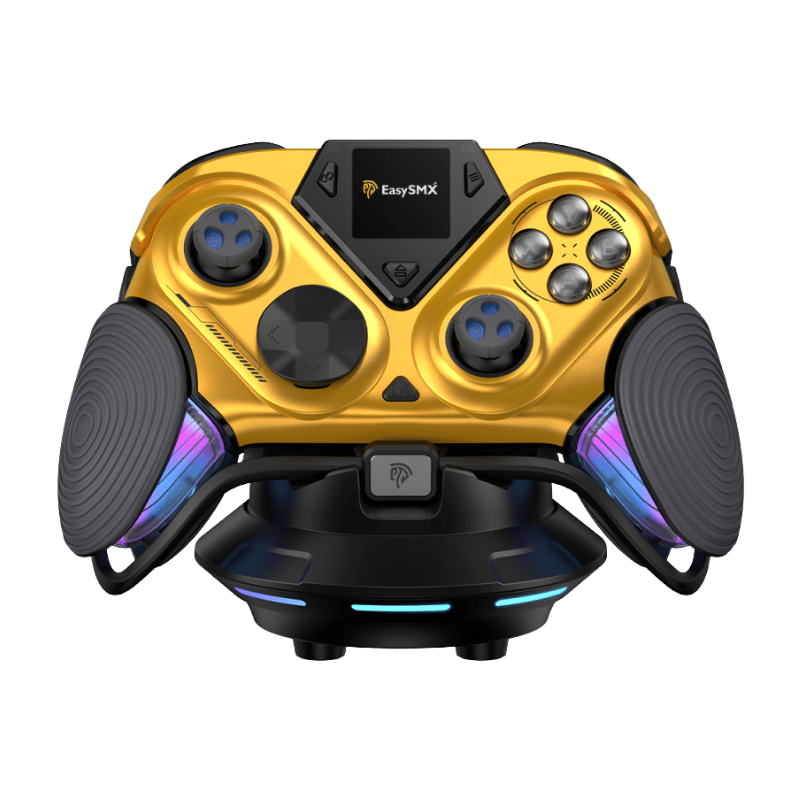
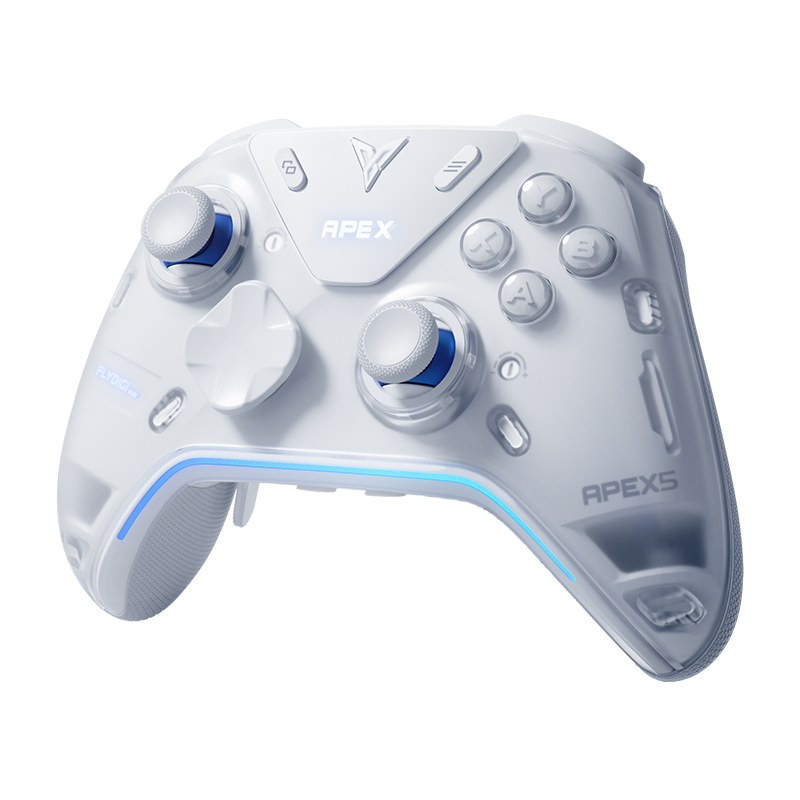
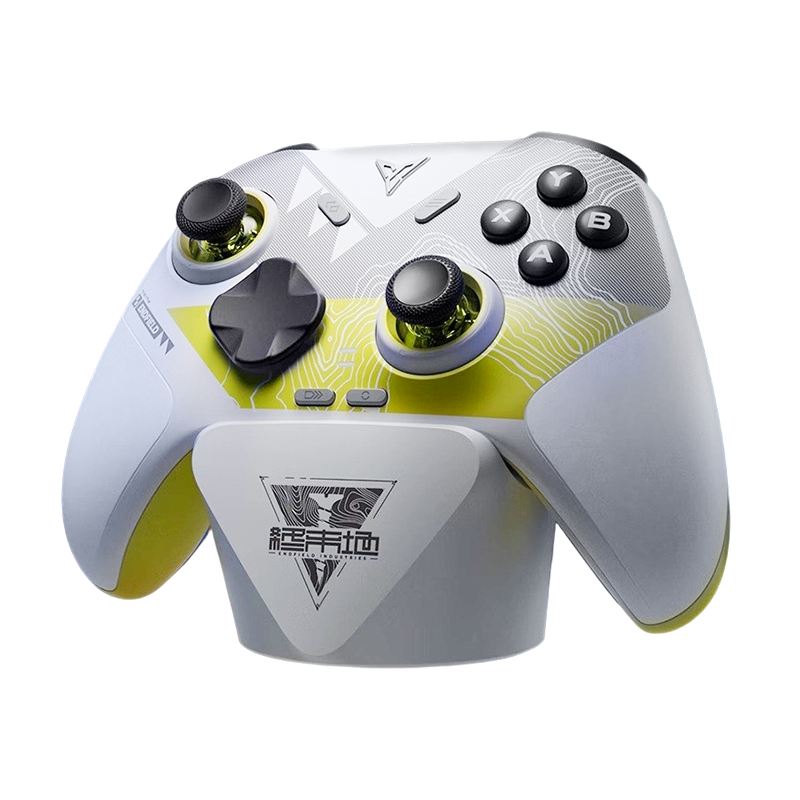
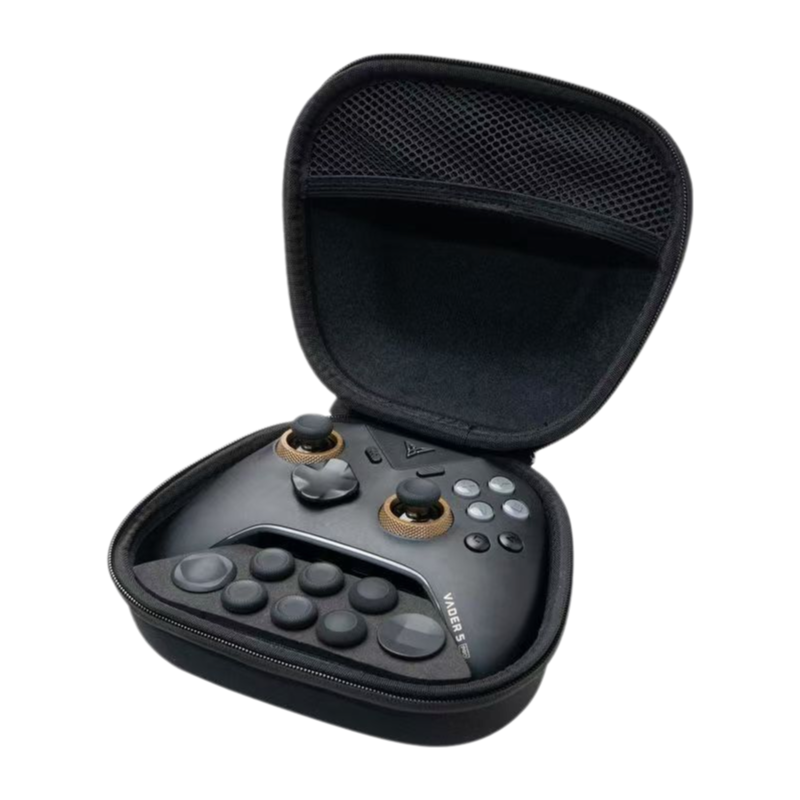
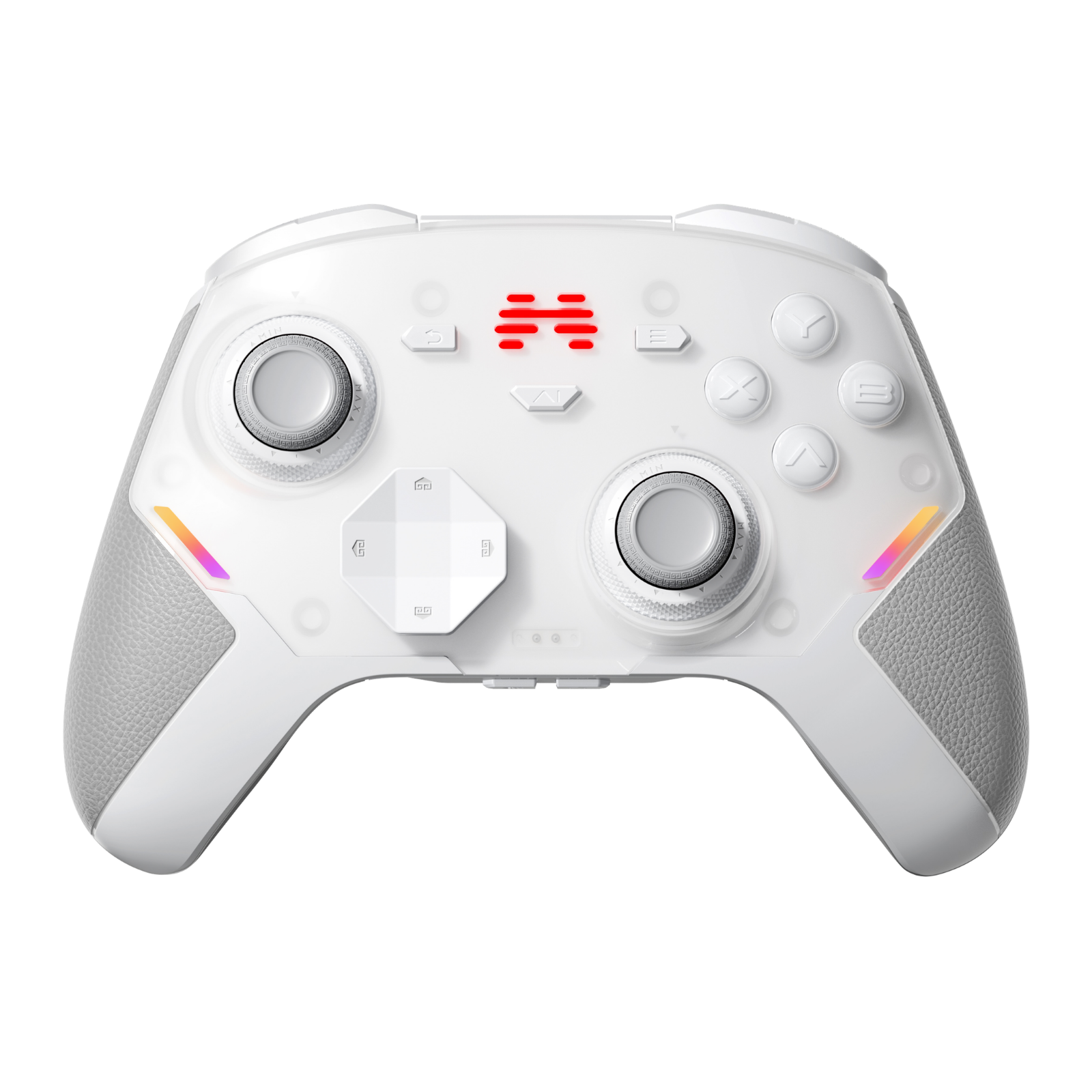
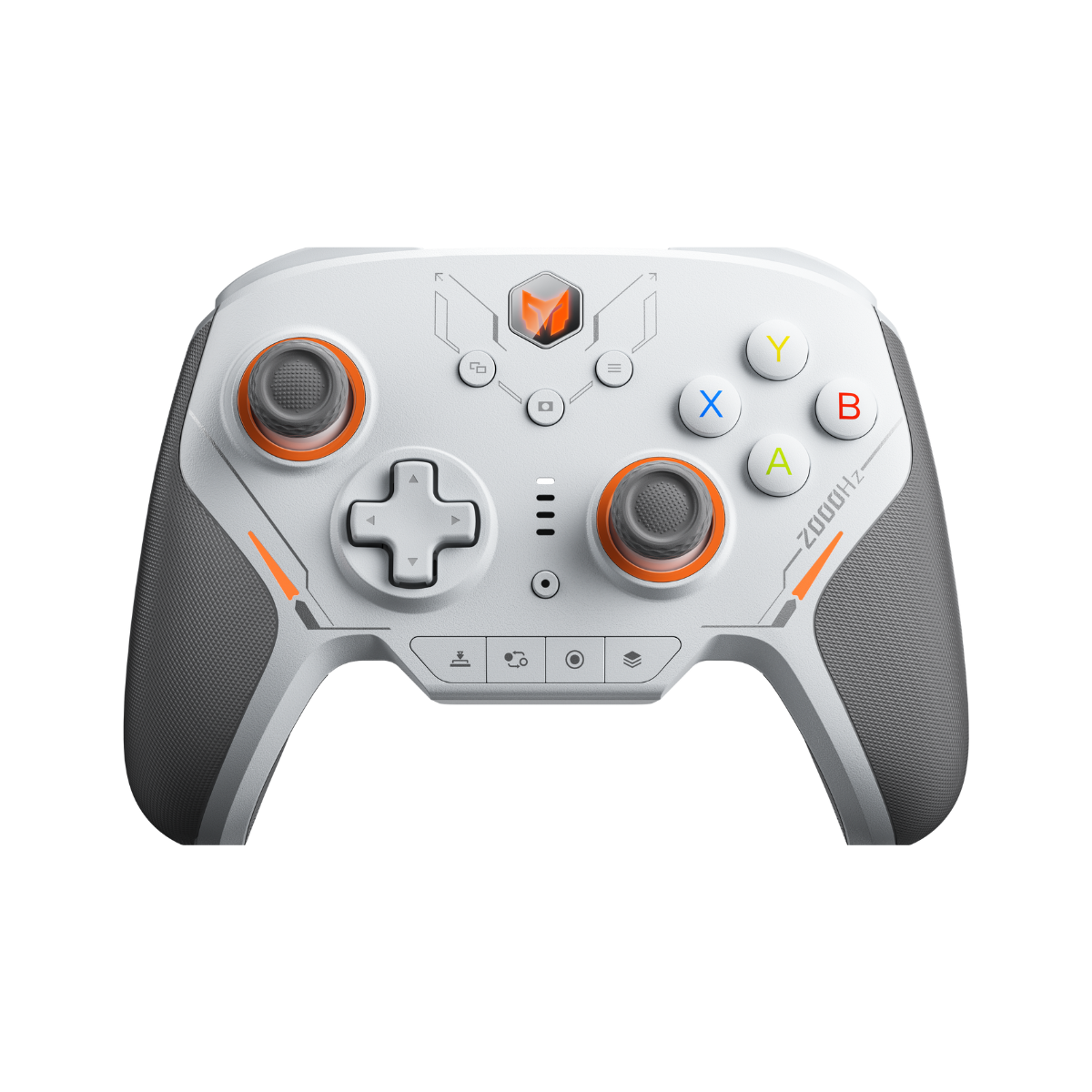
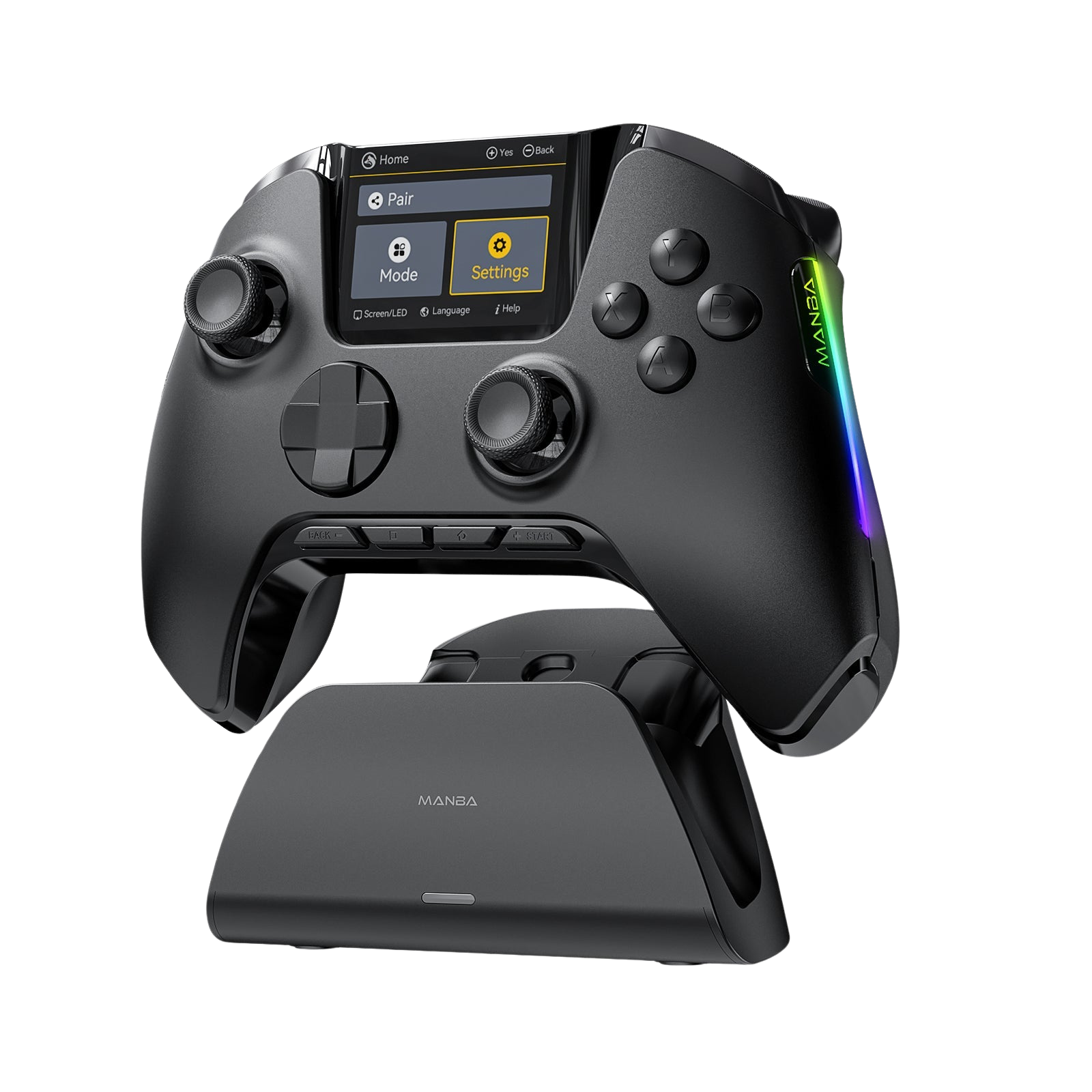
The case-study controller from this article — force-adjustable alloy sticks with lever-based recentering, honest zero-deadzone output, and 3.44ms wired stick latency.
$129.99Now tell me your war stories: what was your first drifting controller, and what did you do about it — bigger deadzone, a hopeful blast of contact cleaner, or straight into the trash?







Leave a comment
All comments are moderated before being published.
This site is protected by hCaptcha and the hCaptcha Privacy Policy and Terms of Service apply.