




















Understanding the Friction: How Controller RC Filtering Interacts with Modern Game Engines
GadgetHyper Team
May 26, 2026 · Competitive Gaming & Controller Tech
Hey everyone, Ray here from GadgetHyper. The conversation around RC Filtering has been incredibly active lately. Depending on which thread you scroll through, you'll see some players calling it a complete game-changer for their tracking, while others are trying to figure out exactly how it works under the hood.
Instead of jumping into the usual finger-pointing about what should or shouldn't be allowed in competitive play, I wanted to look at this from a purely mechanical and design perspective. When you strip away the drama, RC filtering represents a fascinating synergy between modern controller hardware and the hidden physics of game engines — a tool that, when understood, opens up an entirely new layer of controller customization.
New to RC Filtering? Start with our original explainer covering what RC filtering is, whether it buffs aim assist, and GadgetHyper's objective take on the competitive grey area — Read the RC Filtering Guide →
Syncing Hardware with Software
To understand why RC filtering feels so unique in-game, you have to look at how modern first-person shooters process your controller inputs. It comes down to two major engine mechanics working in tandem.

Recoil Smoothing
In games like Apex Legends, developers built a mechanic that rewards active tracking. If you move your crosshair past a certain speed or angular threshold, the engine automatically minimizes vertical and horizontal recoil. It's designed to make smooth tracking feel rewarding.
Rotational Aim Assist (RAA)
This assist dynamically helps keep your crosshairs near a target — but it requires a physical trigger. It only activates when the game engine registers active, ongoing input from your thumbstick.
How Fine-Tuned Jitter Interacts with the Engine
When players experiment with "negative" RC filtering values, they aren't using a traditional cheat script. Instead, they are altering the raw feedback of the controller signal itself.
By adjusting the filter into negative values, the controller's firmware transmits ultra-high-frequency micro-vibrations — essentially a clean stream of microscopic data points happening hundreds of times per second. The game engine reads this as constant, hyper-active player movement, creating a remarkably fluid interaction with the game's internal physics.
For players who find the sweet spot, it creates an incredibly locked-in, responsive tracking experience. It isn't forced onto the target — it's the hardware and software singing the same note.
Finding Your Preference
As a hardware enthusiast, I see the RC filter slider as a spectrum of choice. There is no single "correct" way to set it up — and that's the beauty of modern controller firmware.

Positive RC Filtering
Glassy Smoothness
Acts as a traditional stabilizer — filters out hand tremors and desk vibrations, giving you a perfectly clean, predictable, heavy aiming arc. Excellent for long-range precision and players who rely on steady muscle memory.
Negative Tuning
Hyper-Reactive Feedback
Removes internal dampening, delivering a raw, highly sensitive signal that triggers the engine's micro-tracking mechanics. Takes practice to master — but offers unparalleled tracking potential in close-quarters once your hands adjust.
A Refined Platform to Experiment: LEADJOY Saber Plus
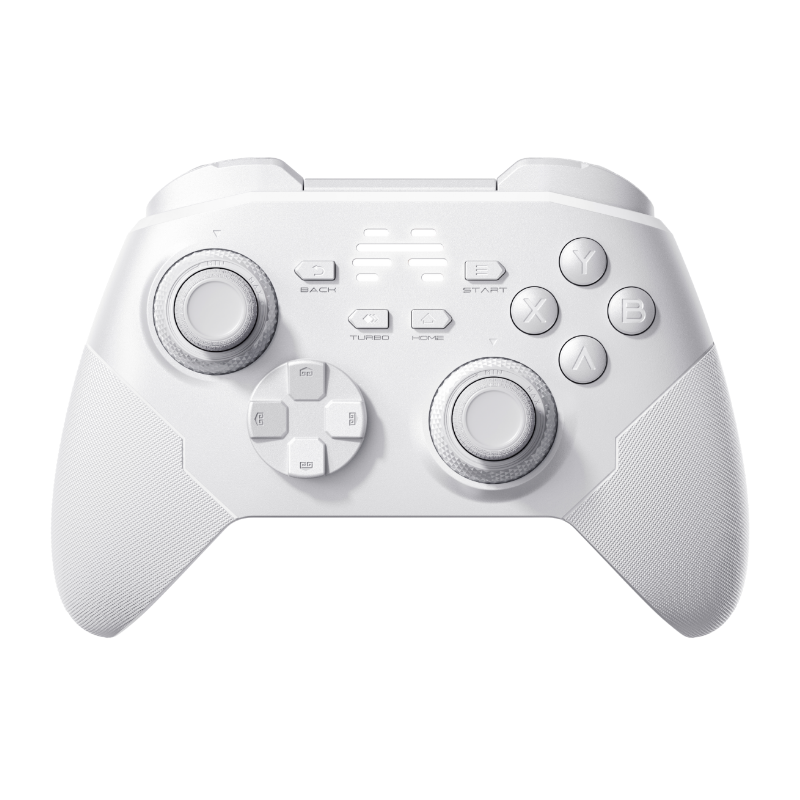
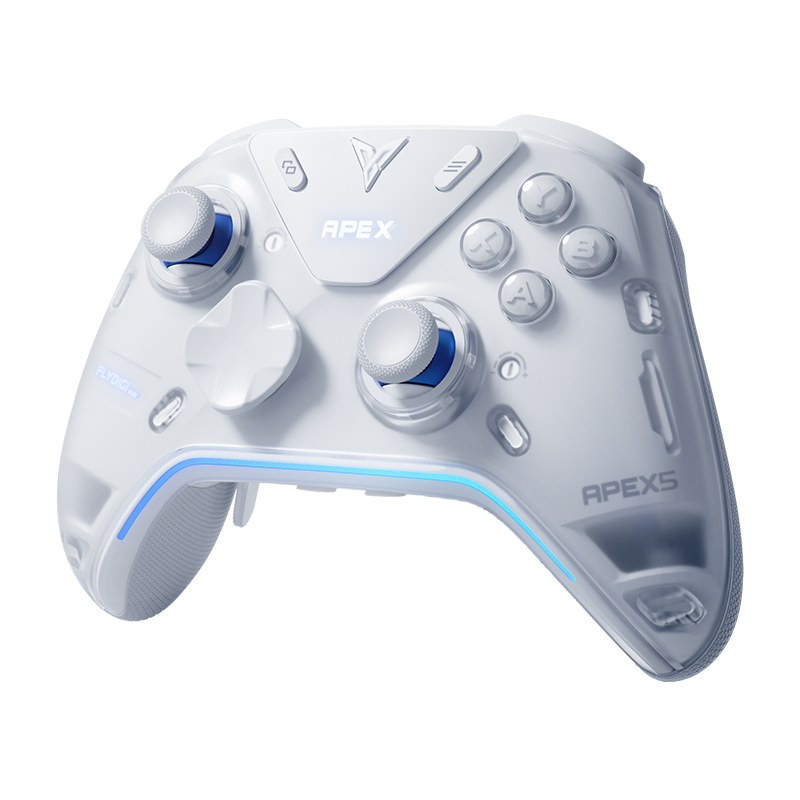
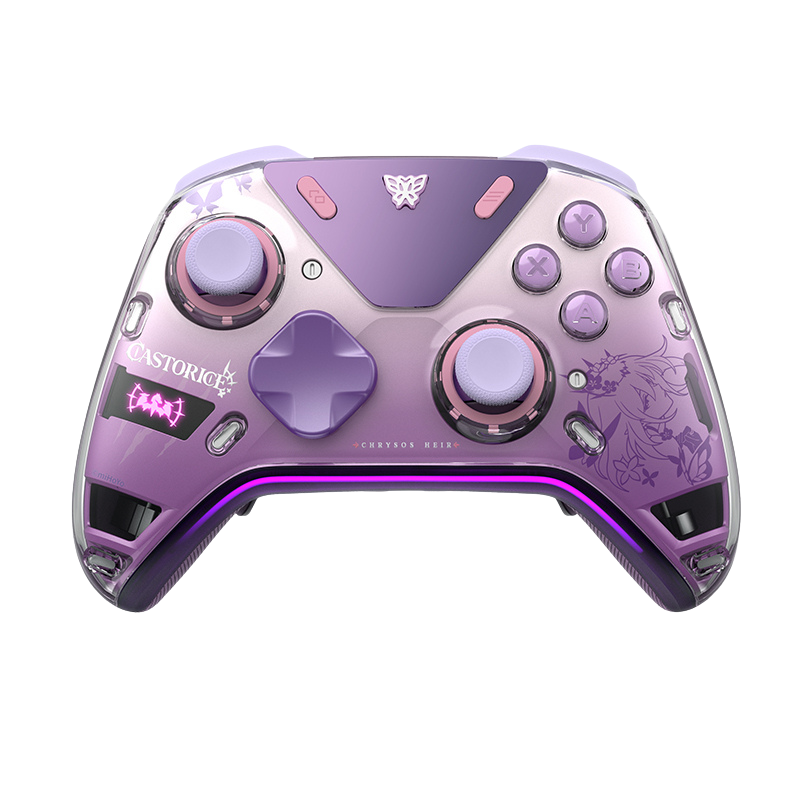
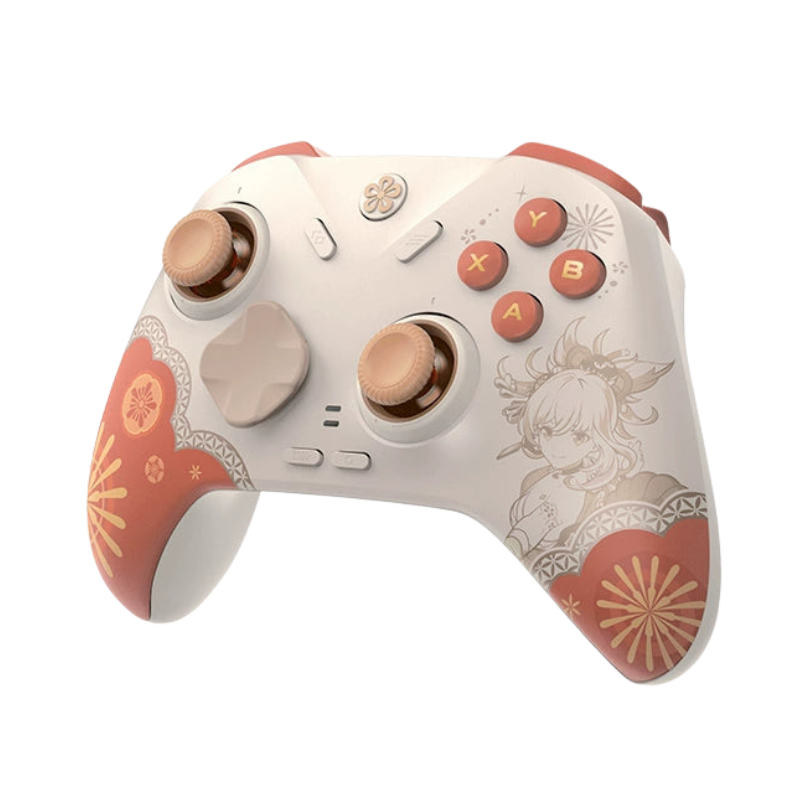
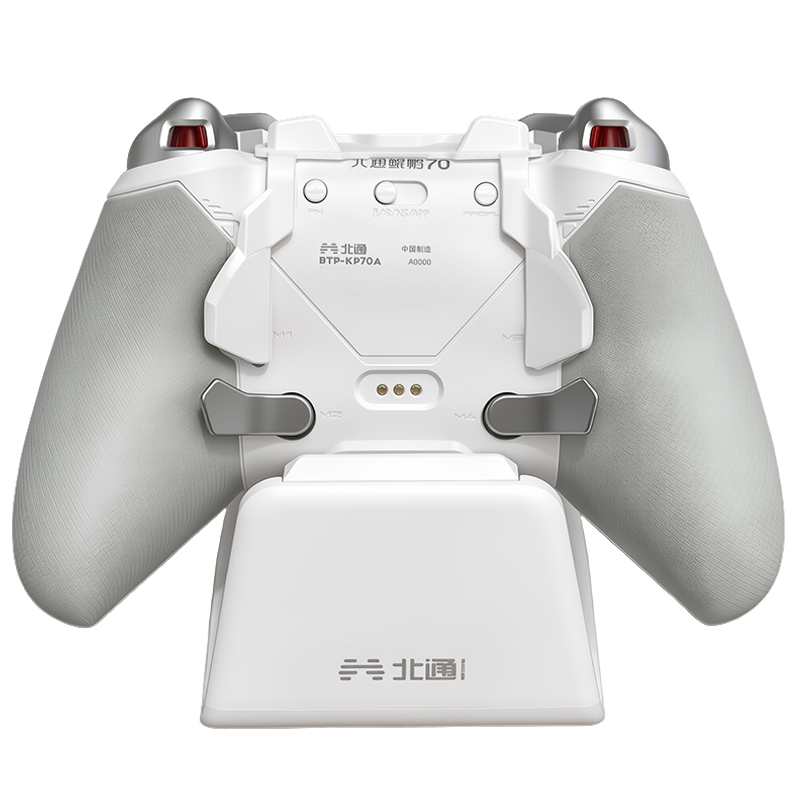
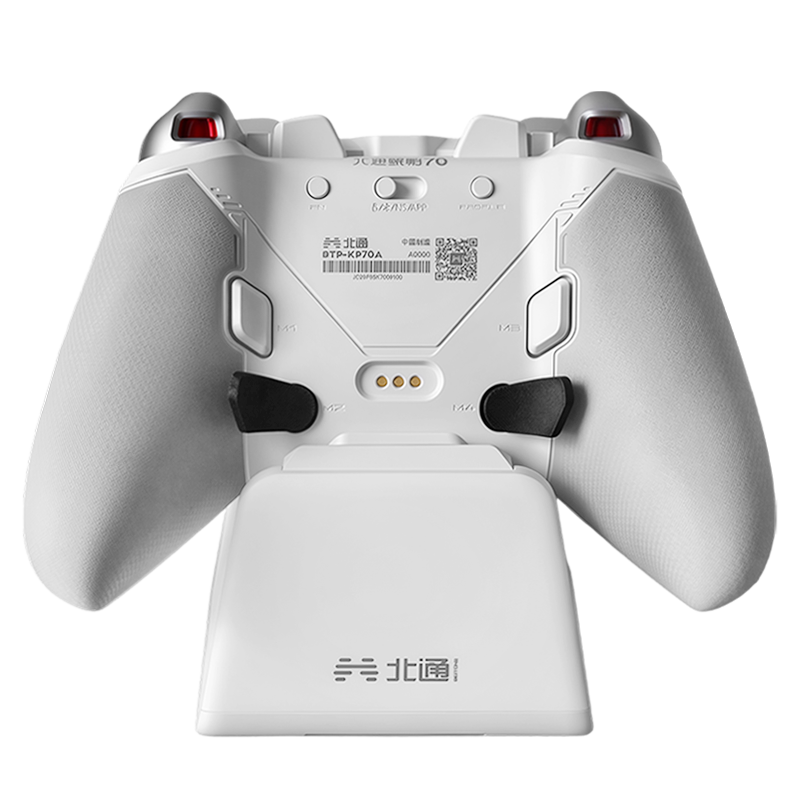
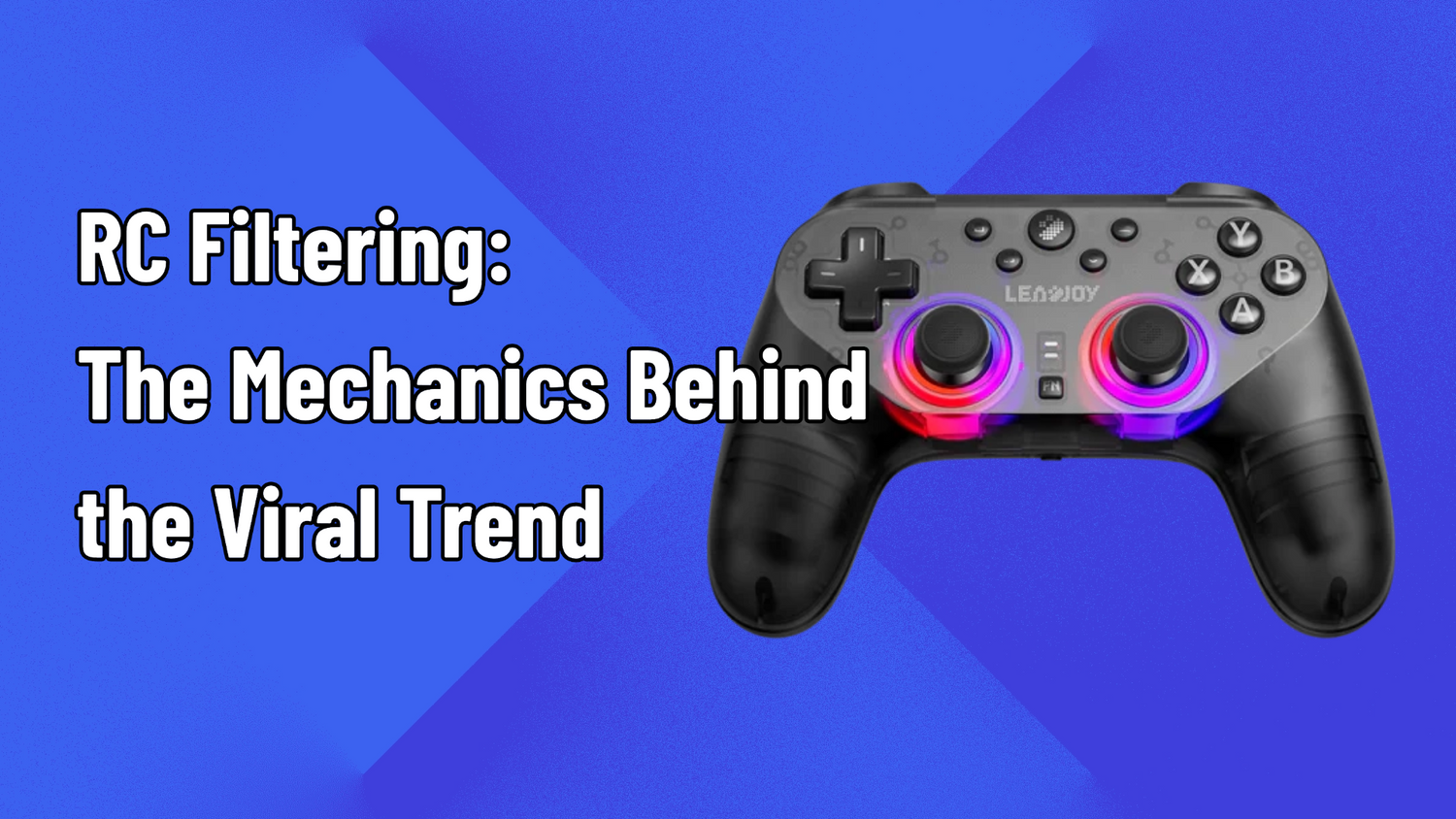
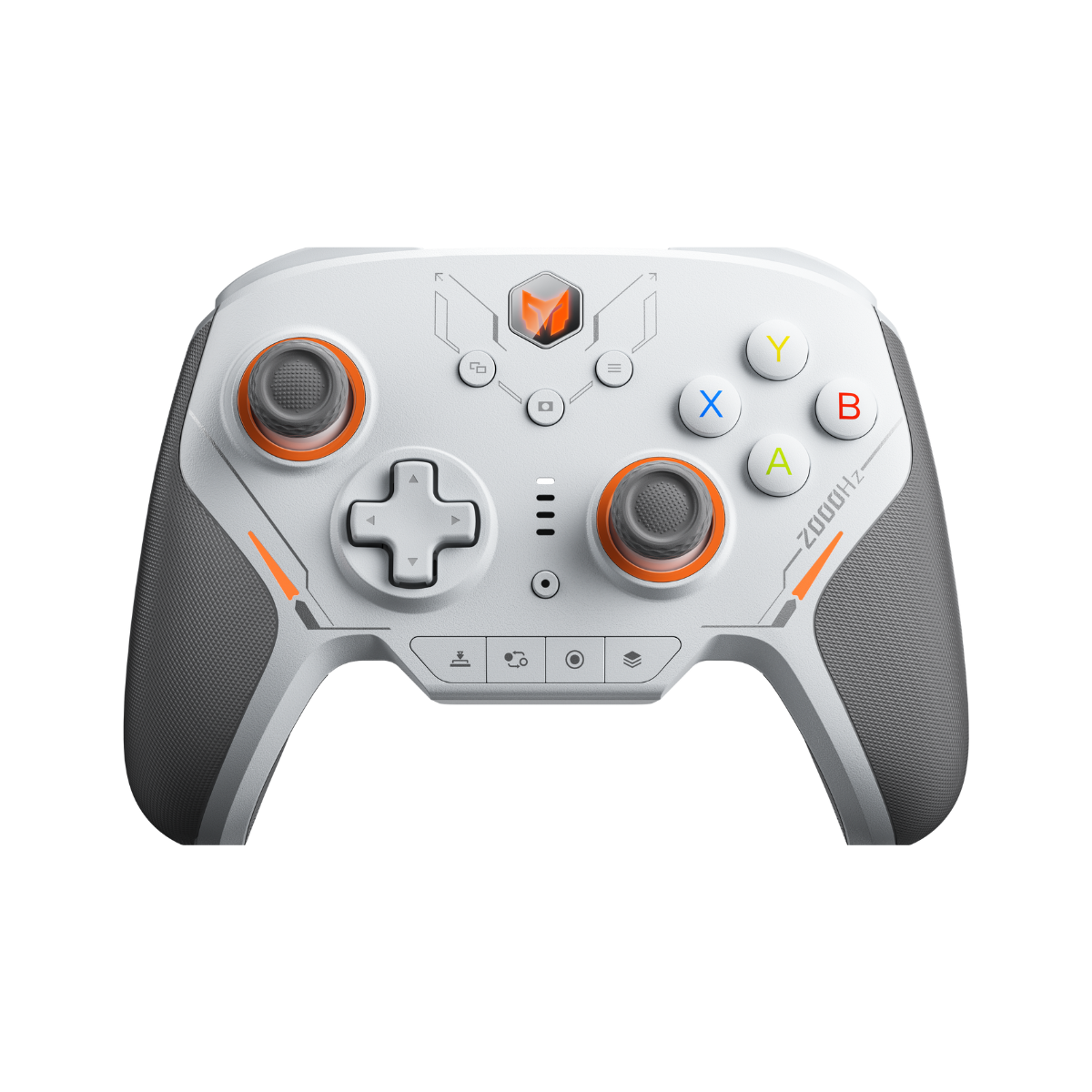
If you're curious about how these different filtering levels actually feel in your own hands, having the right processing hardware makes a massive difference. The LEADJOY Saber Plus ($59.99 USD), launched May 20, 2026, features a parallel symmetrical PlayStation-style layout and is purpose-built for RC filtering experimentation.
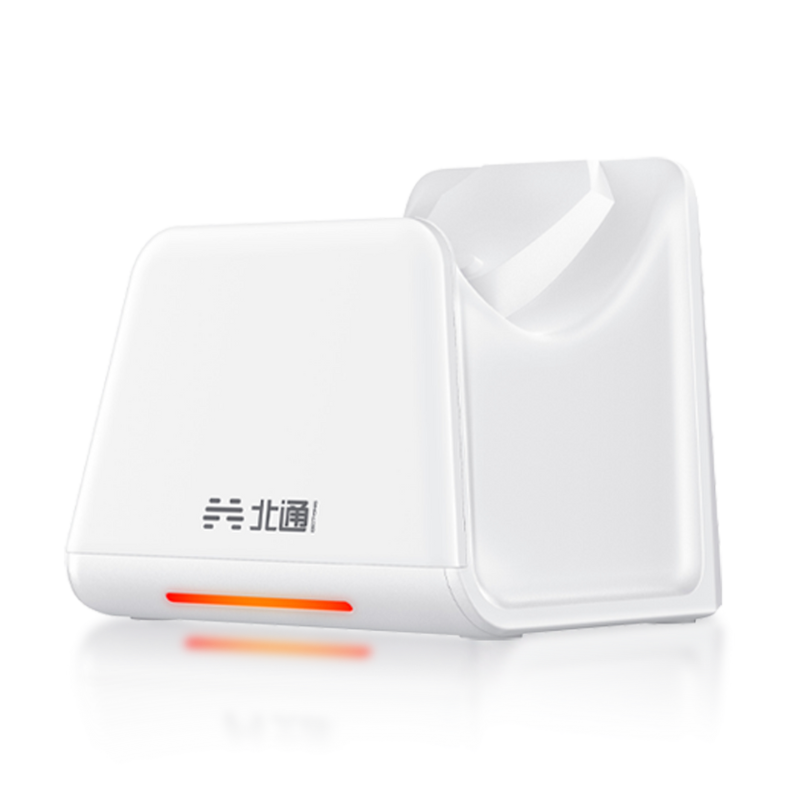
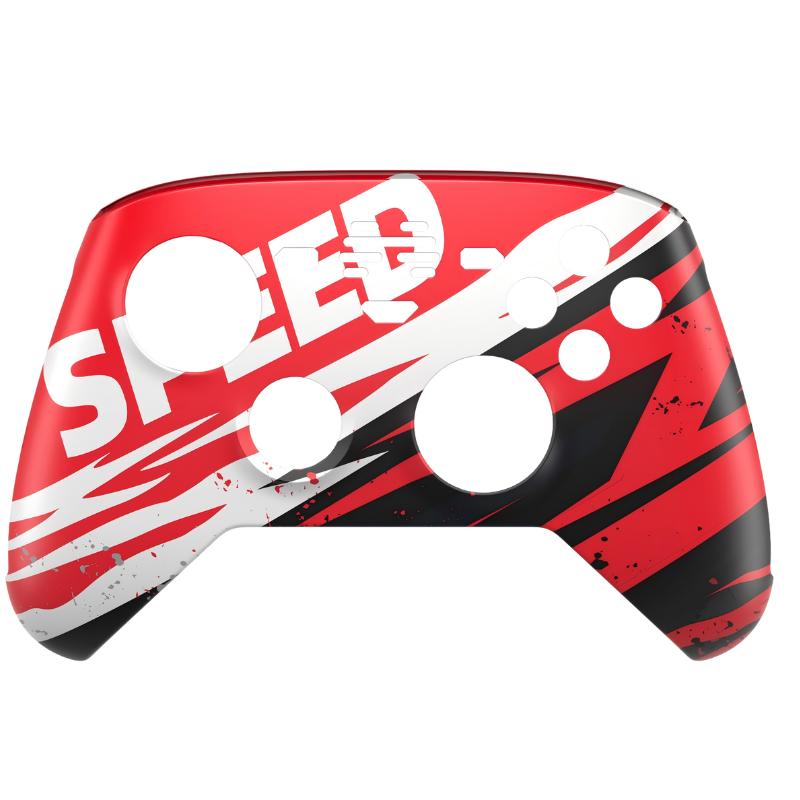
To keep it at an accessible price point, it omits the smart charging dock found on the Xeno Plus sibling — but upgrades the aesthetics with a fully customizable VIBE RGB system integrated into the shell.

| Feature | Performance Specification |
|---|---|
| Processor Architecture | Upgraded RC Filtering 2.0 Suite — enhanced onboard chip handles micro-data throughput without input drops |
| Joystick Hardware | High-Resolution JS13 Pro TMR Sensors — zero drift, superior precision over standard Hall Effect |
| Input Latency | True 1000Hz Polling Rate — Wired & 2.4GHz Wireless |
| Trigger Mechanics | Dual-Mode — Instant Mouse-Click vs. Linear Hall Effect toggle |
The real standout is the RC Filtering 2.0 suite. Because adjusting filter values throws a massive amount of micro-data at your system, the Saber Plus utilizes an upgraded onboard processing chip to ensure smooth data handling — whether you're smoothing your trajectory or pushing negative values to maximize your aim assist window.
Tournament Firmware Available: For players participating in official tournaments or leagues with strict device regulations, LEADJOY offers a dedicated, downloadable Tournament Firmware. This optional update instantly locks the controller to standard, compliant safety limits — giving you a rock-solid competitive device for official environments and a deep hardware sandbox for your daily ranked grind.
At the end of the day, hardware customization is all about finding the exact setting that makes a game feel best to you. Whether you prefer the glassy control of traditional smoothing or want to experience the hyper-sticky tracking of a fine-tuned engine interaction, the technology is officially here for everyone to try.
Try It Yourself
Experiment with RC Filtering 2.0 on the Saber Plus
$59.99 USD · JS13 Pro TMR · 1000Hz Wired & Wireless · Tournament Firmware included
Shop the LEADJOY Saber PlusJoin the Conversation
Steady control of positive values, or the responsiveness of the negative spectrum?
Have you had a chance to experiment with adjustable RC filters yet? Drop your settings in the comments — we read every one and we'll keep this thread updated as more players share their configurations.


Leave a comment
All comments are moderated before being published.
This site is protected by hCaptcha and the hCaptcha Privacy Policy and Terms of Service apply.