




























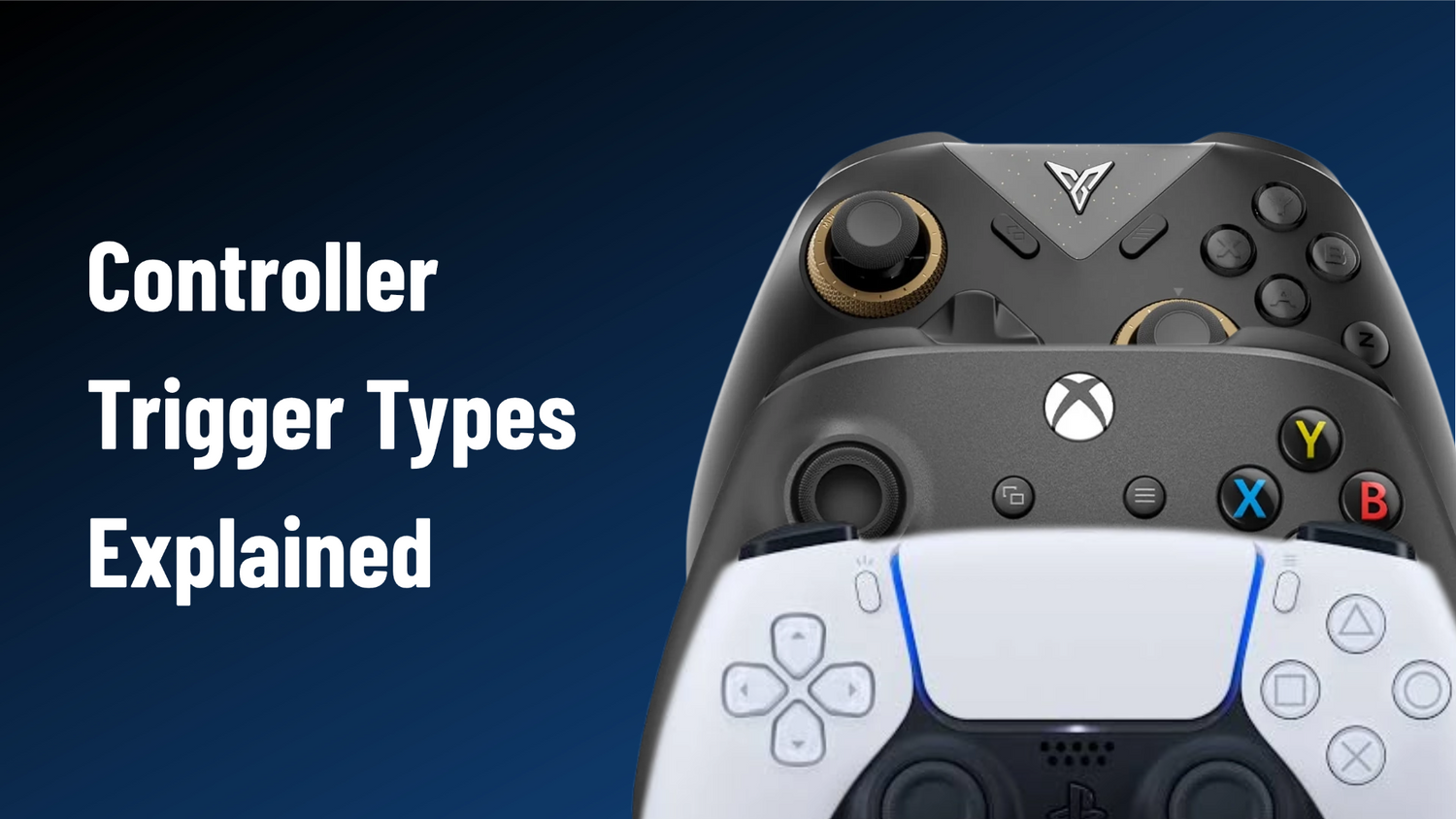
Seven Types of Controller Triggers, Explained — From TV Remote Logic to Triggers That Fight Back
Hey everyone — Ray from GadgetHyper here. Ask most players what kind of trigger their controller has and you'll get one of two answers: "clicky" or "not clicky."
Fair — but the truth is there are about SEVEN distinct trigger designs in modern controllers, and they fall into three families: triggers that only know on/off, triggers that measure how deep you press, and triggers that physically push back at your finger. Each one changes how your games feel in ways you can genuinely notice. Let's walk through all three families — how they work, what they're good at, and who they're for.
"Pressed or Not Pressed"
The simplest possible idea: a trigger that's just a button. Two states, zero nuance.
Conductive Rubber
Under the trigger sits a rubber pad with a conductive contact; press down, rubber touches the board, circuit closes, gun goes bang. Exactly the same tech as your TV remote.
The good: dirt cheap (this is what makes $20 controllers possible), dead simple, nearly indestructible.
The catch: zero travel information. Racing game? Your throttle has two settings — parked, or pedal through the floor. Fine for casual play; a hard ceiling for anything sim-flavored.
Micro-Switch
Swap the rubber for a metal mechanical switch — the same satisfying click as a mouse button, with an absurdly short 0.1–0.3mm of travel. The instant you touch it, it fires.
The good: in competitive shooters where you're tap-firing for your life, that speed is a genuine edge.
The catch: still binary at heart — no pressure control, ever. And the contact wears with heavy use: the click can soften or die over the years.
"How Deep You Press Matters"
This is where triggers grow up: they don't just detect a press, they measure its depth and report a continuous value.
Potentiometer
The most common analog design in the wild. Inside is a sliding resistor — picture the volume knob on an old radio. Press deeper, the wiper slides further, resistance changes more, and the game reads a bigger number.
The good: mature, cheap, compatible with basically everything. Light squeeze for gentle acceleration, full press for maximum send.
The catch: a wiper physically scrubs a resistive track on every press. Wear accumulates, and one day your car starts creeping forward in Forza while your finger is nowhere near the trigger — the same drift story as analog sticks. Expect roughly a couple million presses.
Hall Effect
Same analog idea, but the contact is deleted: a tiny magnet rides the trigger, and a Hall sensor on the board reads its position through thin air — no wiper, no track, no friction, no wear.
The good: perfectly smooth travel, 256 clean pressure levels, immunity to dust and humidity, and a lifespan around five million presses — more than double the potentiometer's.
The catch: usually a 30–50% premium over potentiometer triggers — which is why Hall is the default spec on anything calling itself a serious controller.

"The Trigger Fights Back"
The top shelf: triggers that don't just listen to your finger, they talk back to it.
Impulse Triggers
Hall-based analog sensing plus a small rumble motor inside each trigger: short, precise bursts of vibration right at your fingertip — the pulsing shudder of ABS under hard braking, the kick of each shot.
The good: simplest, most mature, most affordable force-feedback design — found on Xbox pads and a growing number of mid-to-high-end third-party controllers.
The catch: it's only vibration. It can buzz your finger, but it can't resist it.
Adaptive Triggers
The PS5 DualSense's flagship feature: a potentiometer reading your travel, a motor, a worm-gear set, and an L-shaped lever driving a small blocking piece into the trigger's path. When the game calls for it, the motor physically lifts that blocker against your finger.
The good: staged resistance for drawing a bowstring, a hard wall for a jammed gun, a progressive squeeze for a brake pedal. Actual mechanical pushback — still the most immersive trigger experience money can buy.
The catch: expensive, exclusive to Sony's own pad and a handful of licensees, older games treat it as plain analog, the complex mechanism adds failure risk, and the motor takes a visible bite out of battery life.
Hybrid Force Feedback
A community nickname rather than an official term: several Chinese brands (Flydigi chief among them) simplify Sony's mechanism — fewer gear stages, Hall or combined sensing, their own tuning algorithms — and pair simplified dynamic resistance with linear vibration.
The pitch: roughly 60% of the cost for about 70% of the experience. You lose the finest granularity of resistance control; you keep most of the magic.


The DualSense is still the king here, and the biggest reason isn't the motor — it's the software. Sony's effects are tuned by the game studios themselves, and the supported library is large and growing. The Apex 5's force feedback, by contrast, depends on Flydigi's own team reverse-engineering and adapting games one by one (about 60 titles so far) — which means new releases arrive later, and the tuning can't fully match studio-native work.
But credit where due: it's the most serious attempt anyone else is making at this tier, and that effort deserves encouragement.
The Seven Types, Side by Side
| Trigger | Family | Feel | Lifespan | Best For |
|---|---|---|---|---|
| Conductive Rubber | Binary | Soft, mushy | Nearly indestructible | Casual play, tight budgets |
| Micro-Switch | Binary | Crisp click, 0.1–0.3mm travel | Wears with heavy use | Competitive FPS |
| Potentiometer | Analog | Smooth, budget-friendly | ~2 million presses | Everyday gaming |
| Hall Effect | Analog | Perfectly smooth, 256 levels | ~5 million presses | Precision that lasts |
| Impulse | Force feedback | Analog + fingertip rumble | Hall-based sensing | Racing and shooters |
| Adaptive | Force feedback | Mechanical pushback, staged resistance | Complex mechanism | PS5 immersion |
| Hybrid | Force feedback | Simplified resistance + vibration | — | Force feedback on a budget |
So, Which Trigger Is Yours?
- Casual play, tight budget: conductive rubber is genuinely fine.
- Competitive FPS: micro-switch — nothing fires faster.
- Everyday gaming, analog on a budget: potentiometer — the people's choice.
- Core players who want it precise and permanent: Hall effect, no contest.
- Racing and shooters where feel matters: impulse triggers.
- PS5 owners: adaptive — it's a core part of the next-gen experience.
- Force feedback without the flagship tax: hybrid designs.
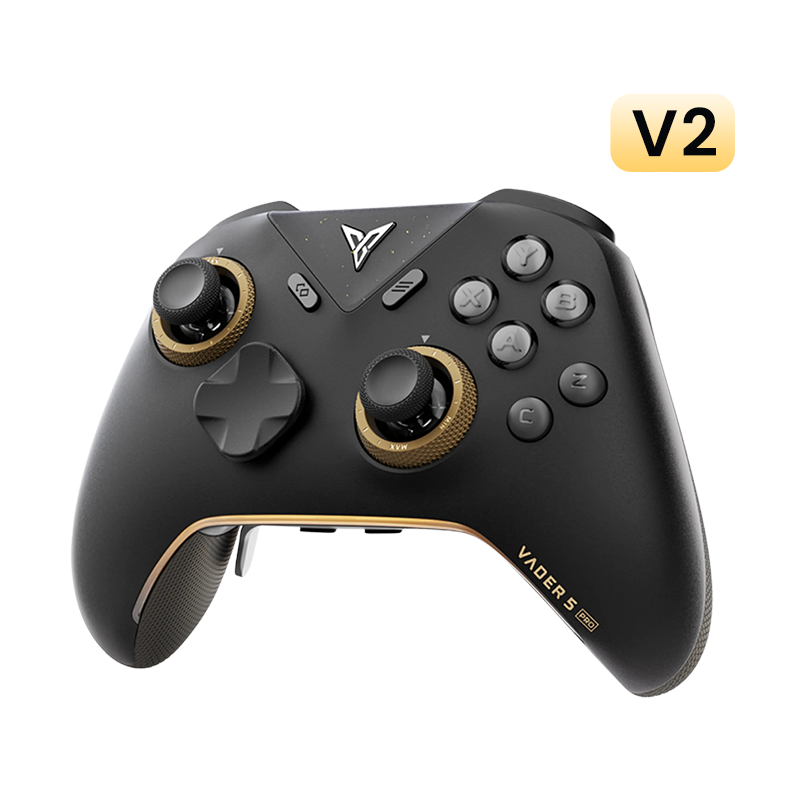
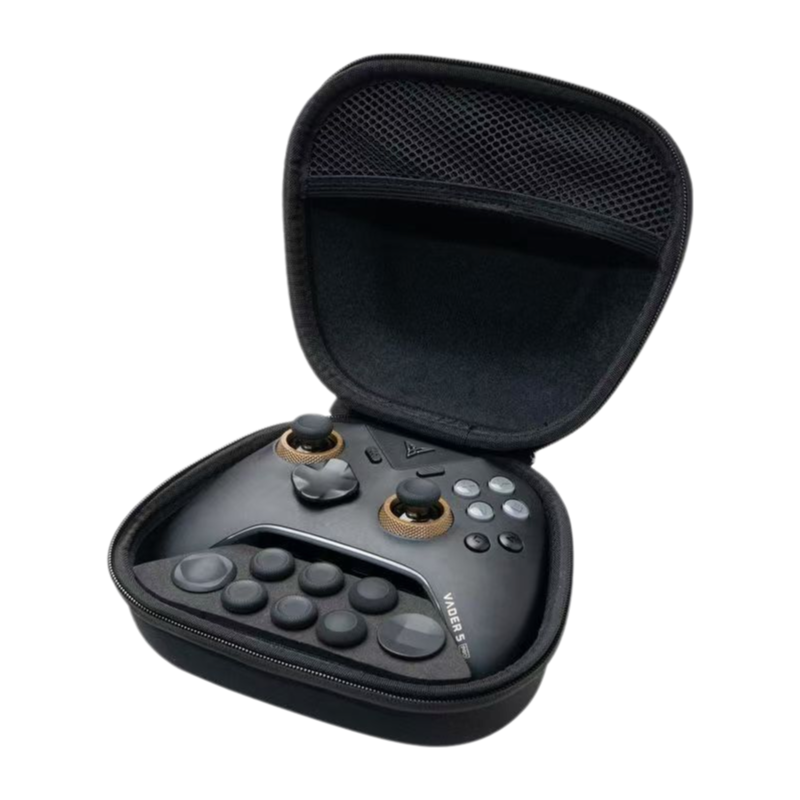
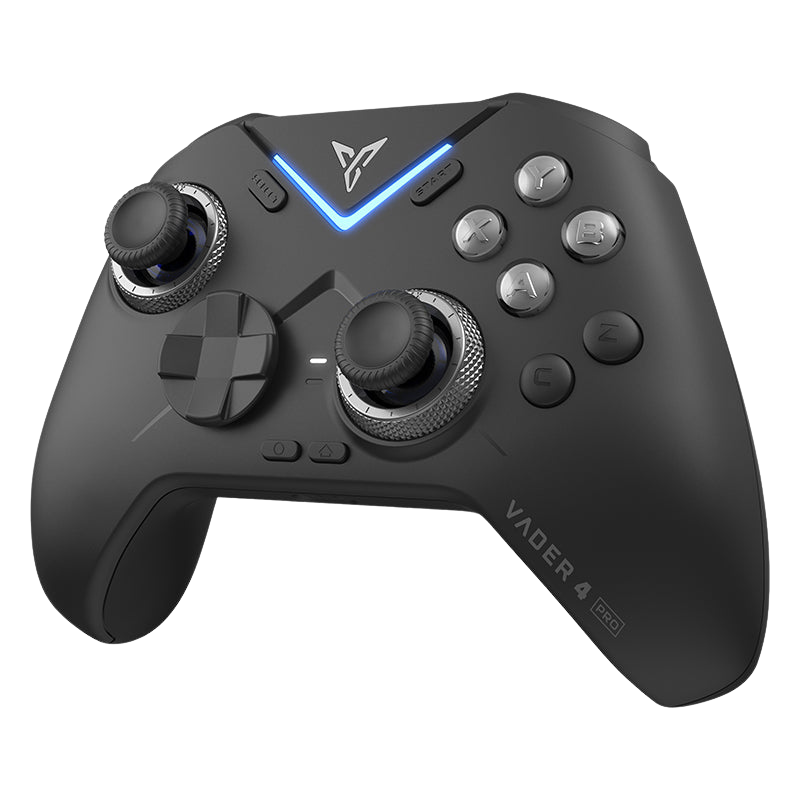
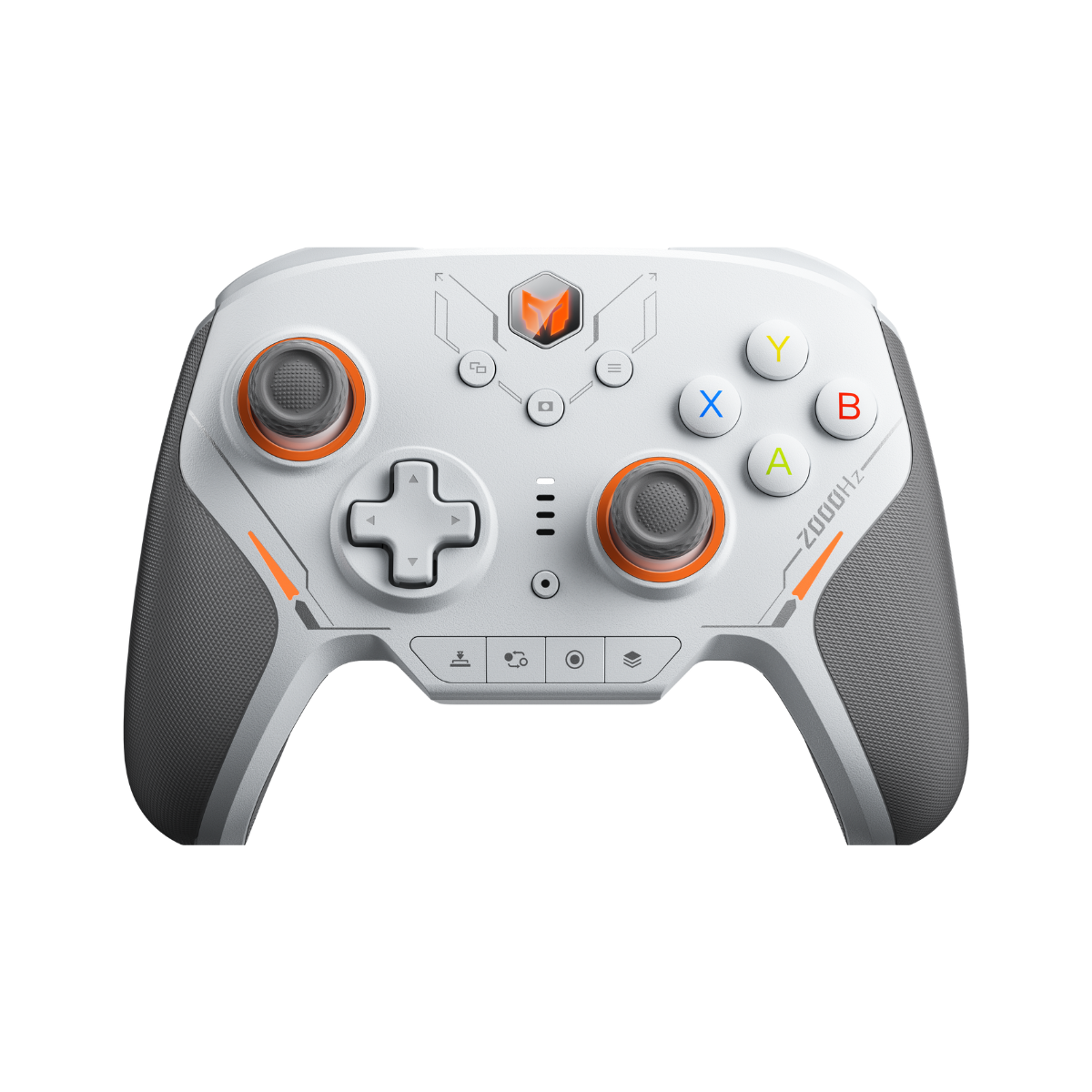
One last tip before you shop: you don't actually have to choose just one. The Flydigi Vader 5 Pro ships with dual-mode triggers — flip a switch and each trigger toggles between Hall linear (racing, smooth analog) and micro-switch (FPS, instant fire). Two of the seven trigger types, one controller, zero compromises.

Dual-mode triggers: Hall linear for racing, micro-switch for FPS — flip the switch, keep the pad.
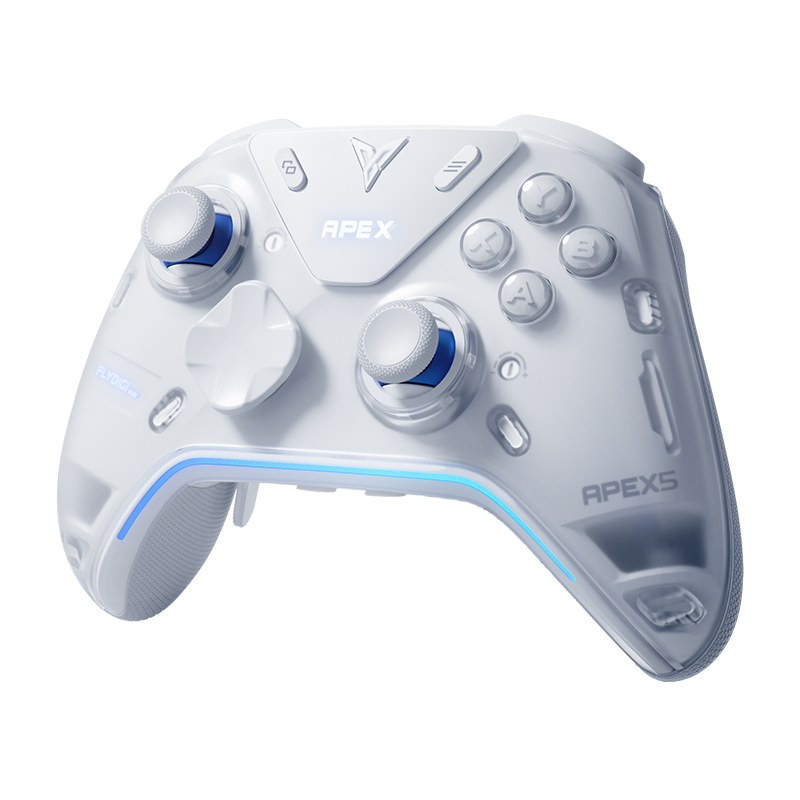
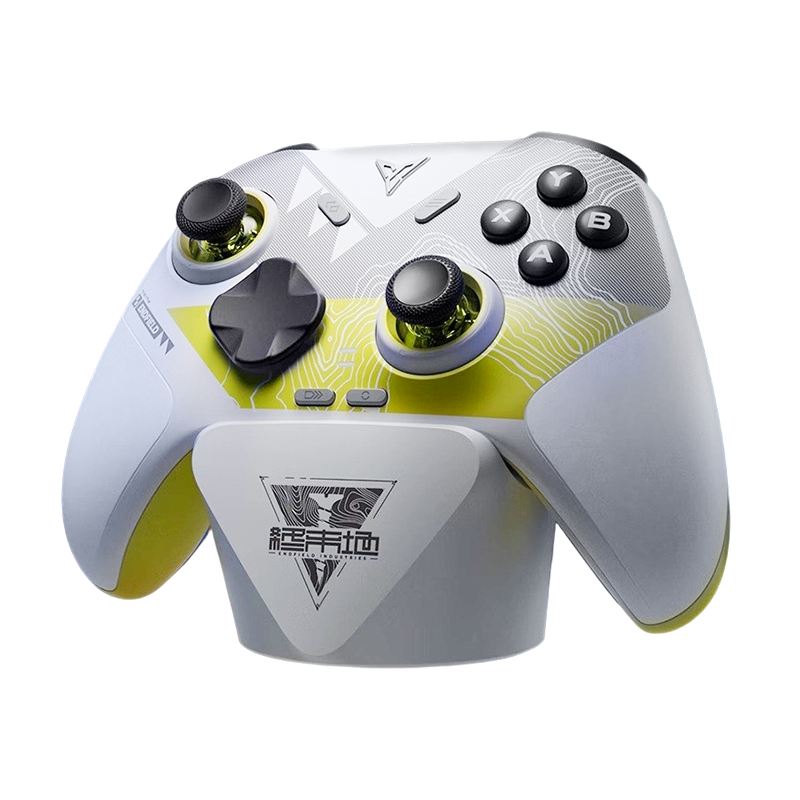
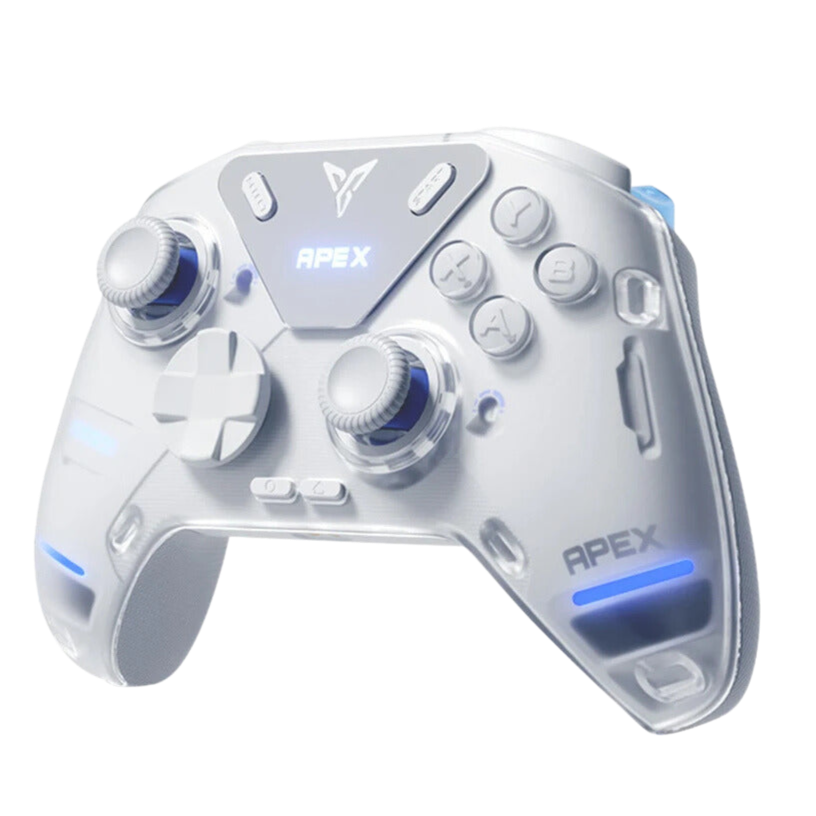
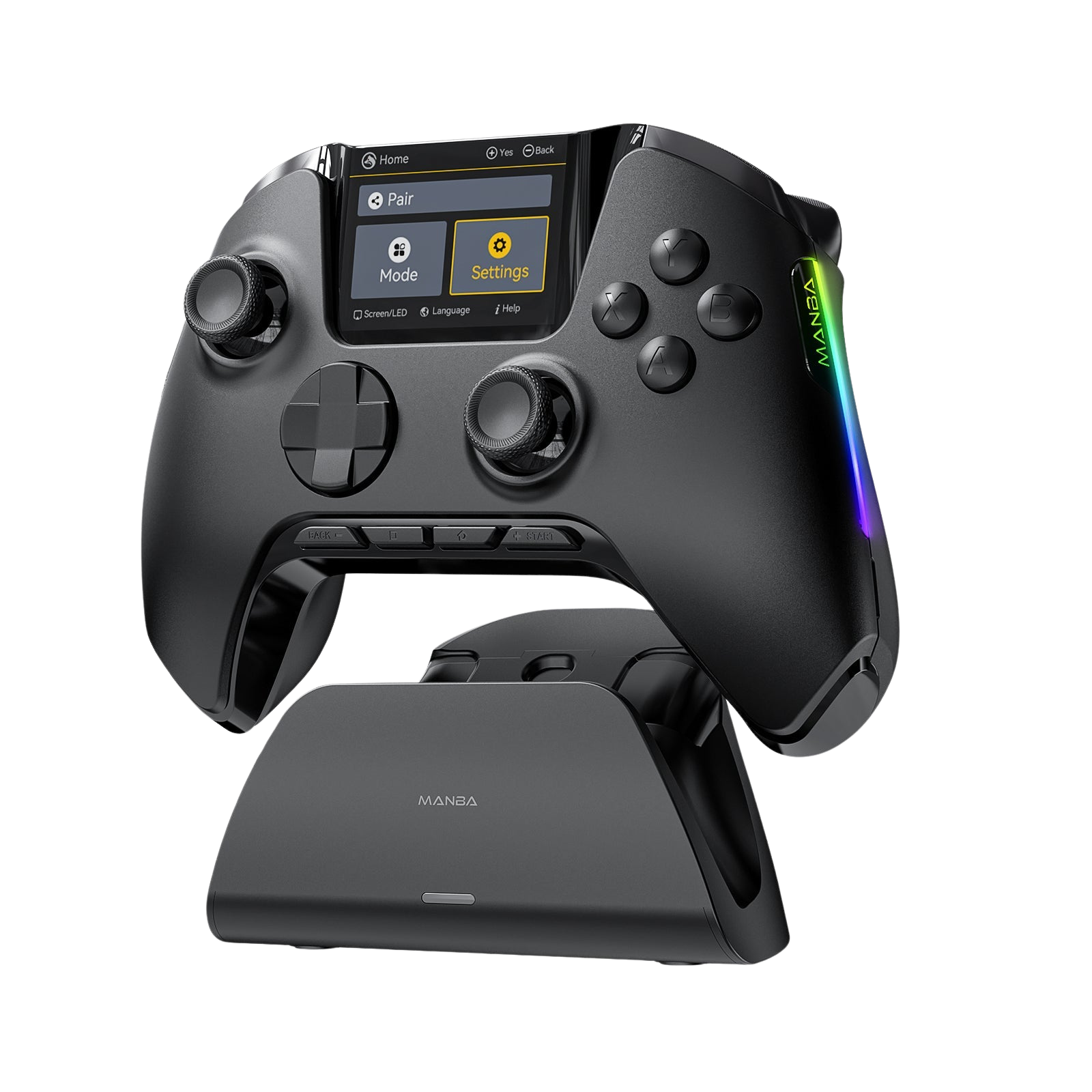
$79.99And if force feedback is the dream but the DualSense Edge price isn't: the Flydigi Apex 5 brings hybrid force-feedback triggers with around 60 adapted games and counting.

Hybrid force-feedback triggers with ~60 adapted games — about 70% of the DualSense magic at a fraction of the cost.
$129.99Also — between us — the Apex 6 is on the horizon. Stay tuned.
So, what's under your fingers right now — and has a trigger ever actually changed how a game felt for you? Tell us in the comments.







Leave a comment
All comments are moderated before being published.
This site is protected by hCaptcha and the hCaptcha Privacy Policy and Terms of Service apply.