





























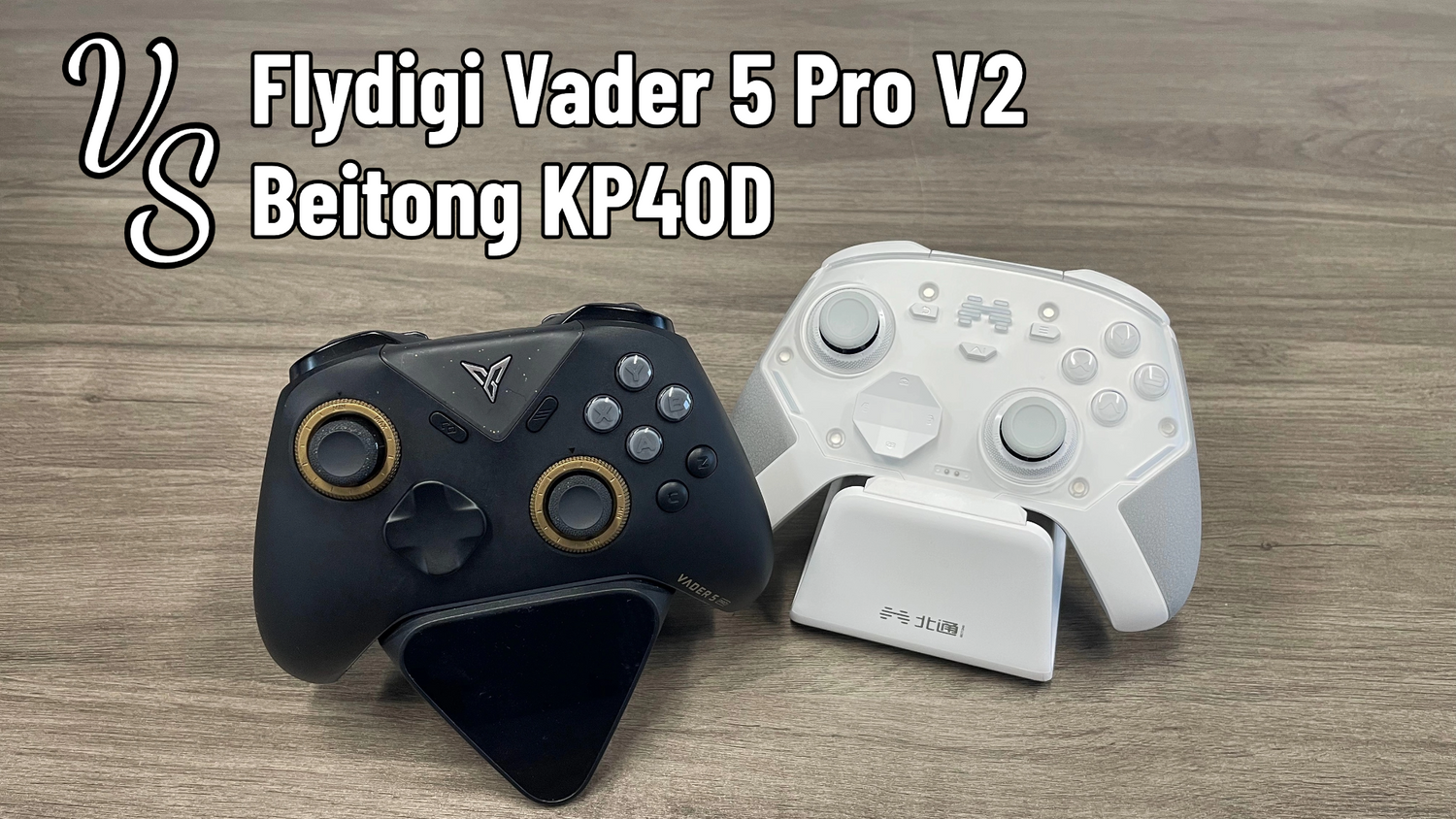
Flydigi Vader 5 Pro V2 vs. Beitong KP40D: Casual vs. Sweaty — The Ultimate Trade-off
GadgetHyper Team
June 26, 2026 · Vader 5 Pro V2 vs. KP40D
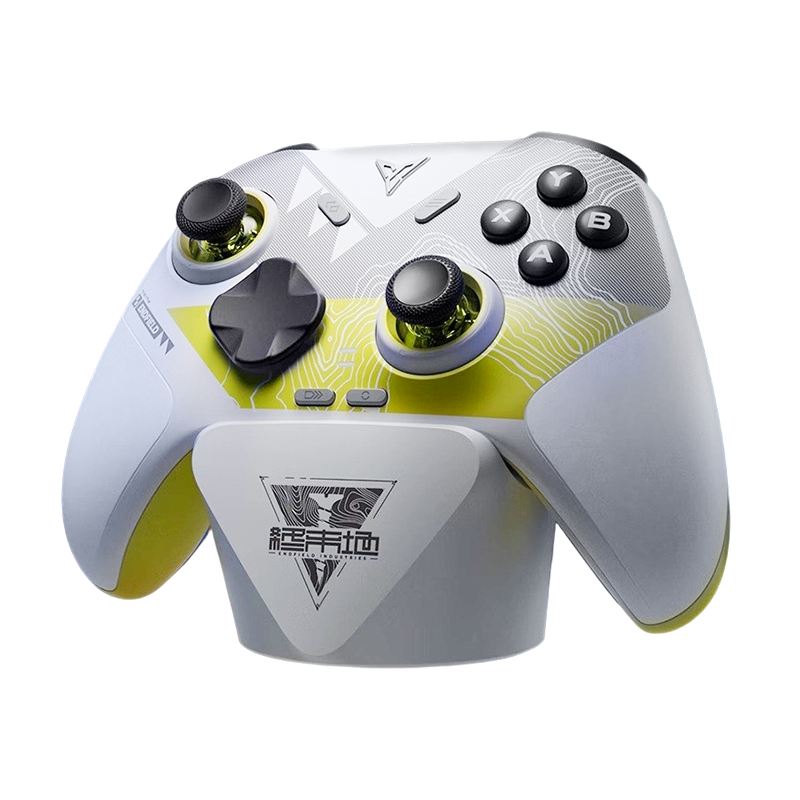
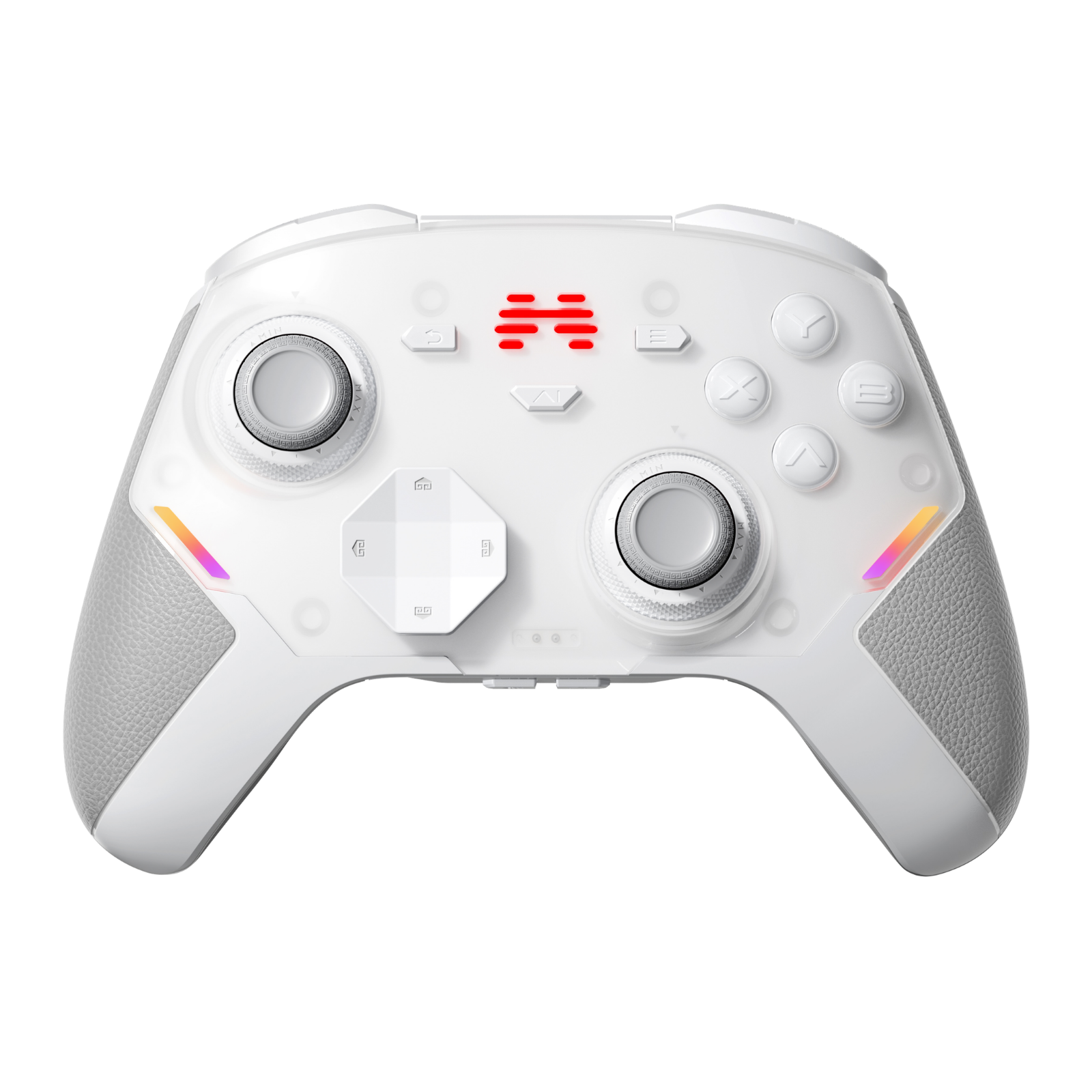
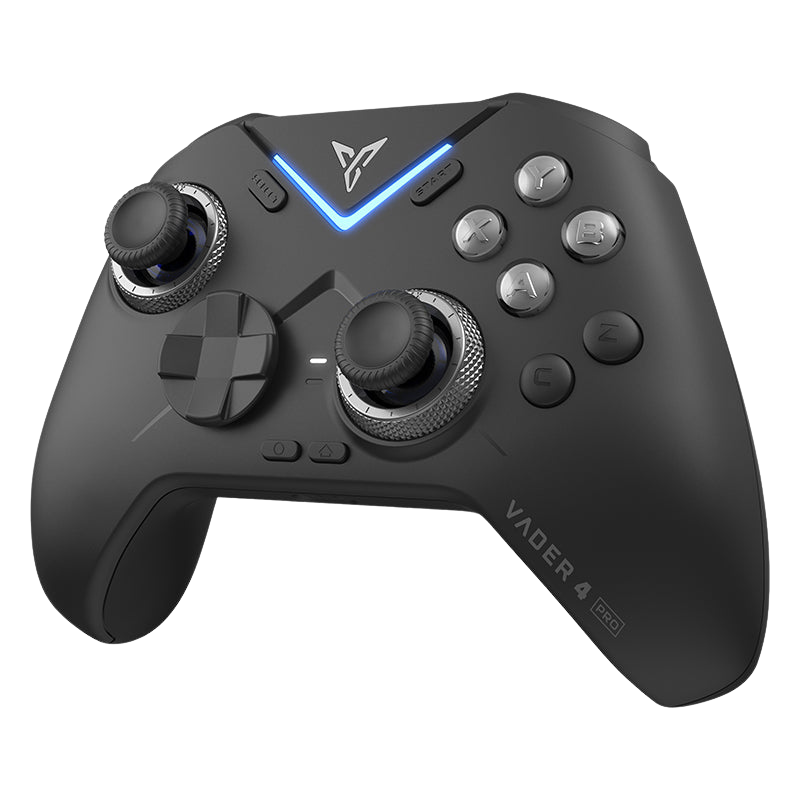
Two high-performance gamepads have completely dominated the market: the Flydigi Vader 5 Pro and the Beitong KP40D. While both are selling out rapidly, they deliver completely opposite philosophies under the hood.
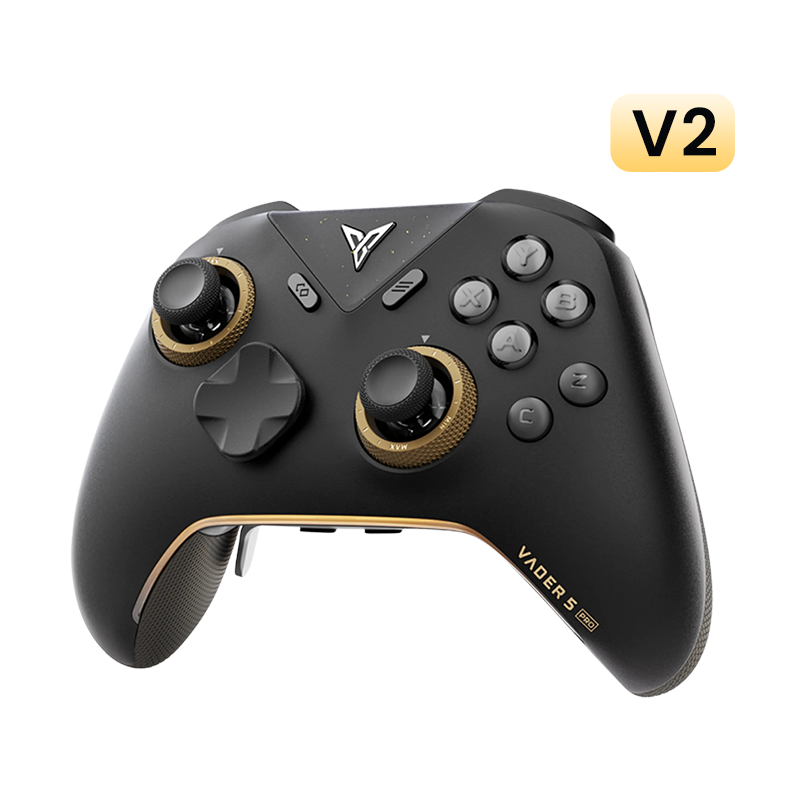
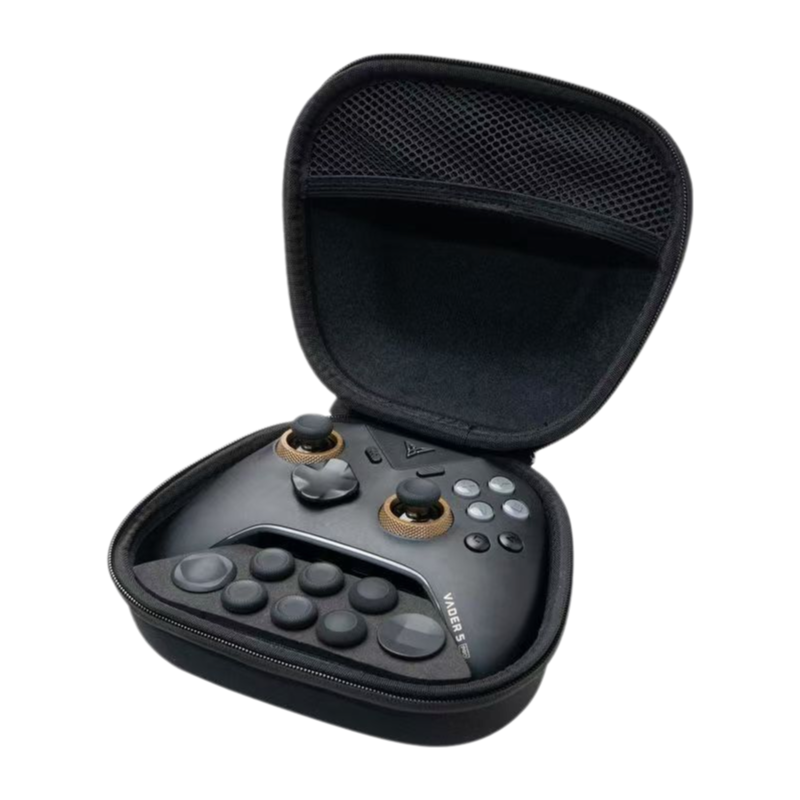
With the Vader 5 Pro "V2" hardware update fixing tension ring slips and adding Glass Fiber + Nylon back buttons, it has solidified its position as a competitive powerhouse. On the other side, the KP40D stands out with a boutique, tactile focus tailored toward comfort.
As a couch-co-op and PvE warrior spending hundreds hours in Helldivers 2, Wuthering Wave, and Jedi: Survivor, here is an objective, practical breakdown of how they compare right out of the box.

Ergonomics & Hand Size: Chonky Boy vs. Aggressive Hump
Choosing between these two controllers comes down to a direct trade-off based on your hand size and grip style.
| Feature | Vader 5 Pro V2 | KP40D |
|---|---|---|
| Optimal Hands | Medium to Large (18.5cm+) | Small to Medium (under 18cm) |
| Shell Texture | Classic textured hard plastic | Faux-suede skin-like rubber |
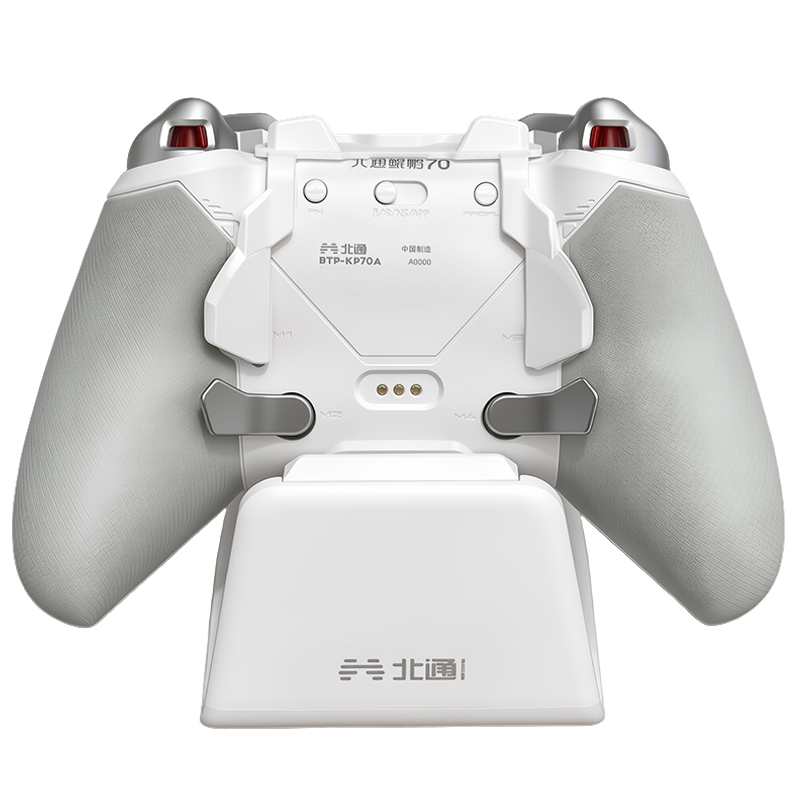
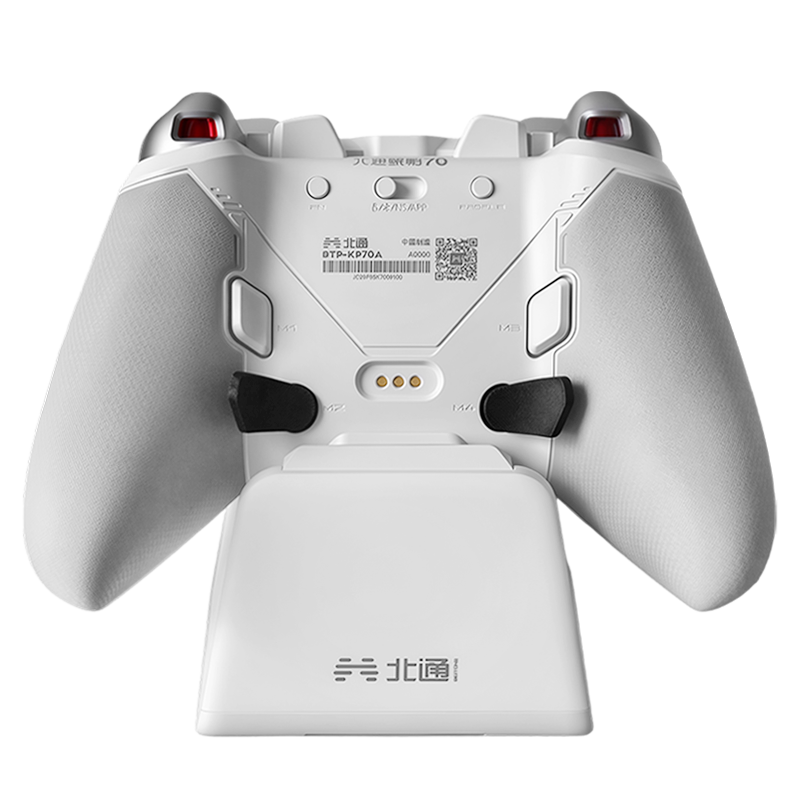
| Back Button Reach | Natural 4-finger placement | High placement — joint compression |

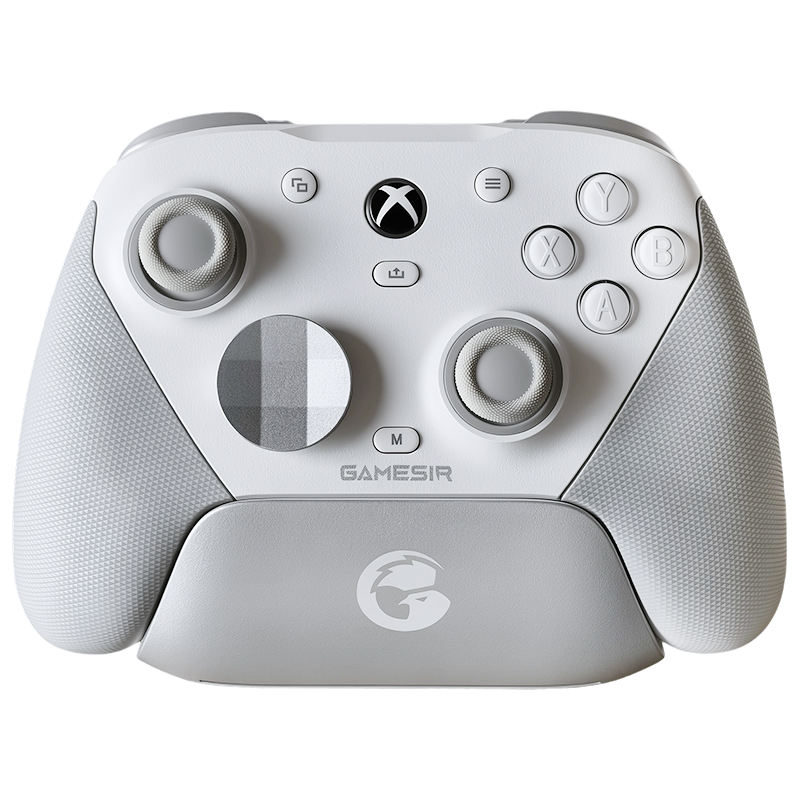
Vader 5 Pro V2
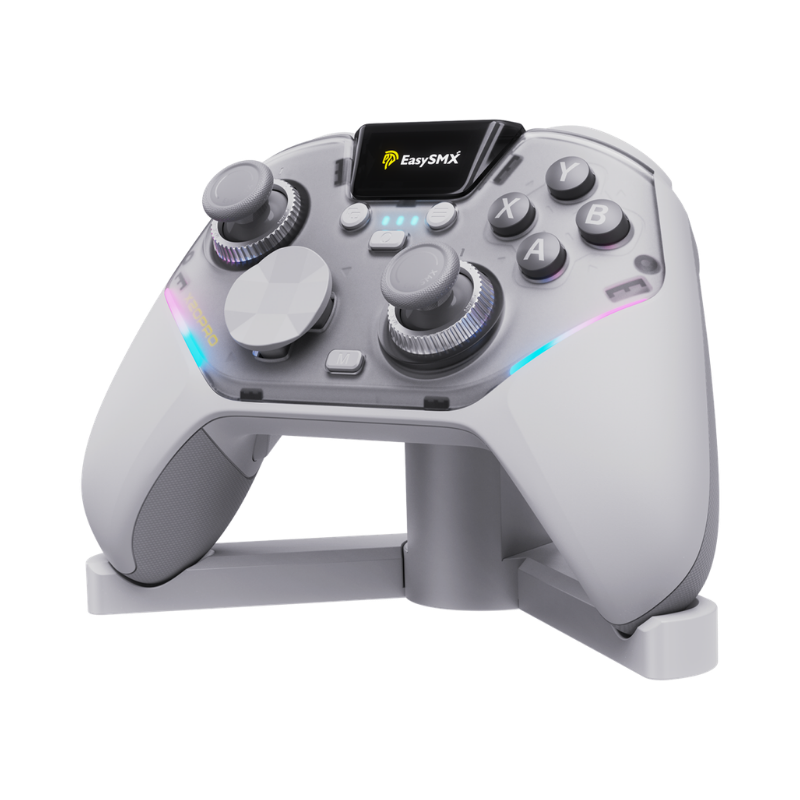
Arched Xbox Profile
Middle and ring fingers rest naturally on rear macro keys for 18.5cm+ hands.
Heavily arched side profiles force smaller hands into a rigid, locked stance — extended fatigue risk.
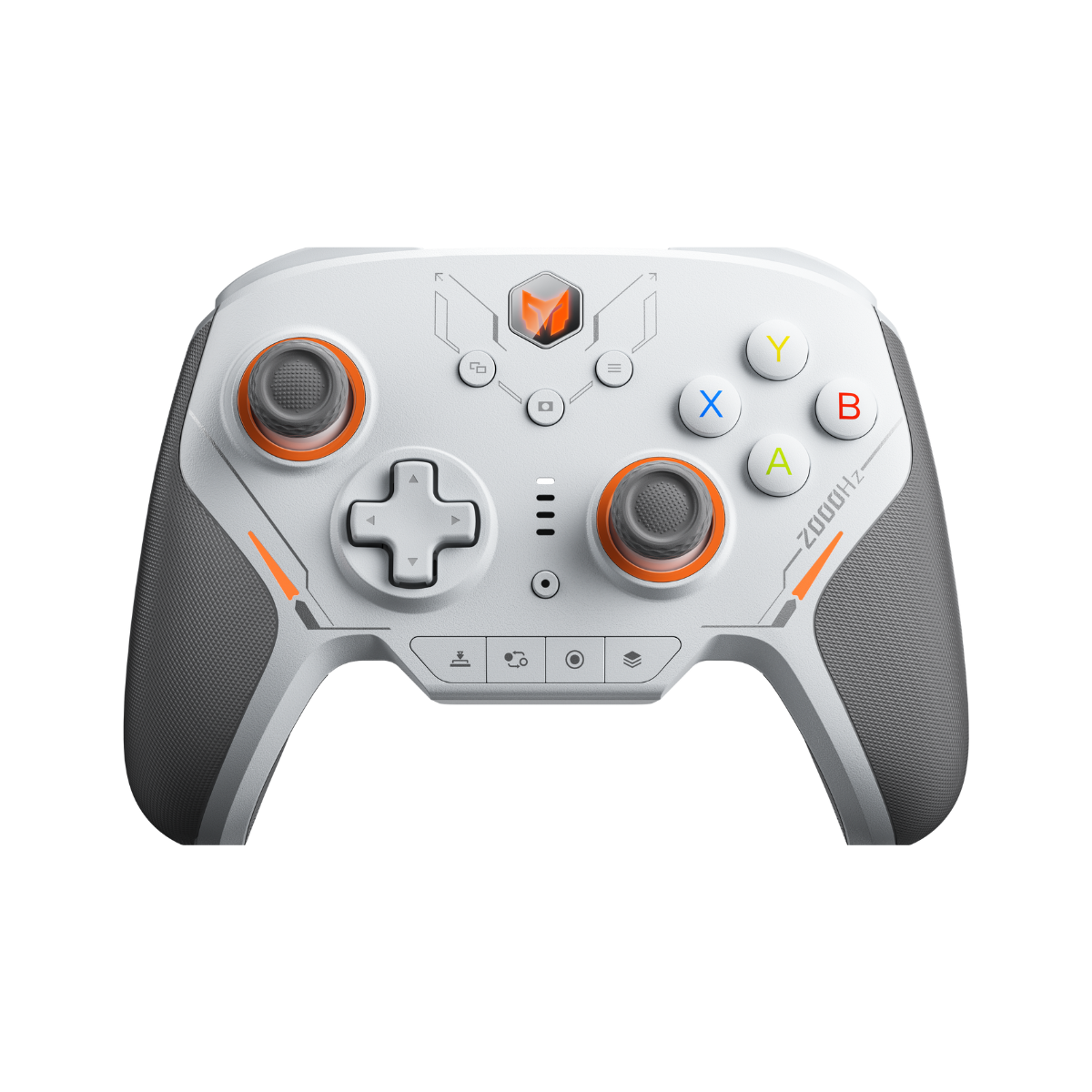
Beitong KP40D
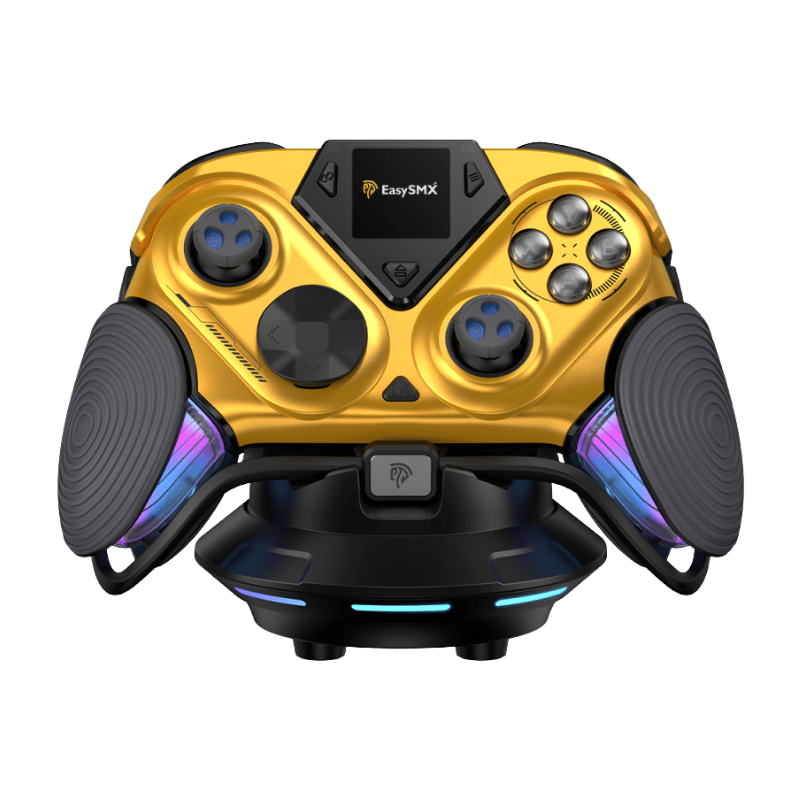
Rounded Faux-Suede
Organic skin-like rubber — exceptionally soft and secure in palms, room for dynamic grip shifts.
No deep finger-guiding channels — sweaty fingers may slide down. Rear paddles placed too high for large hands, too low for small finger-tips.
Joystick Performance: A Tale of Two Mechanical Safe Dials
Both controllers feature physics-driven tension tuning rings around the analog sticks with excellent tactile feedback — but they dial in differently.

Ratchet Dial Structure
Upgraded production batches replaced the stepless design with a reliable ratchet dial — clicks deliberately and locks tight like a precision safe dial. Exceptional TMR smoothness. At maximum tension, slight resistance when crossing center deadzone axes.
Notched Tension Ring
Equally satisfying clean mechanical feedback. TMR joysticks feel completely frictionless when sweeping along the outer gates — slight advantage for fluid camera panning.
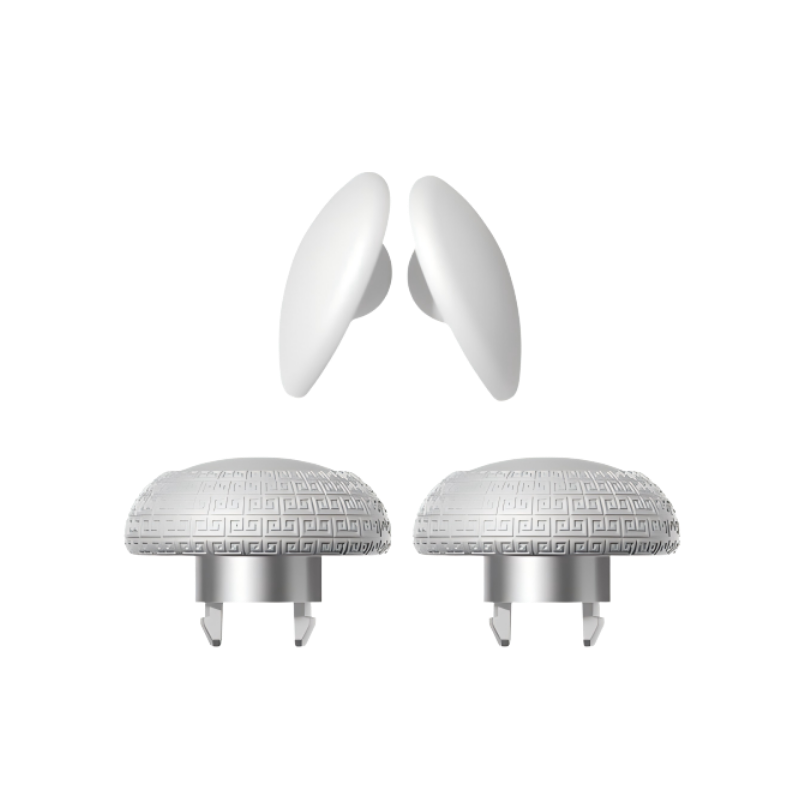
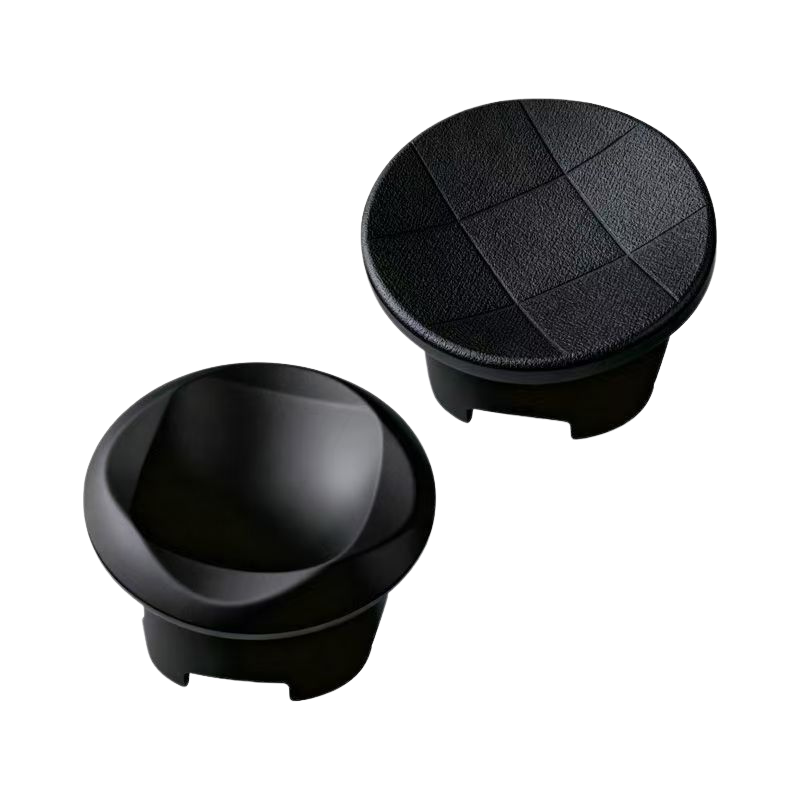
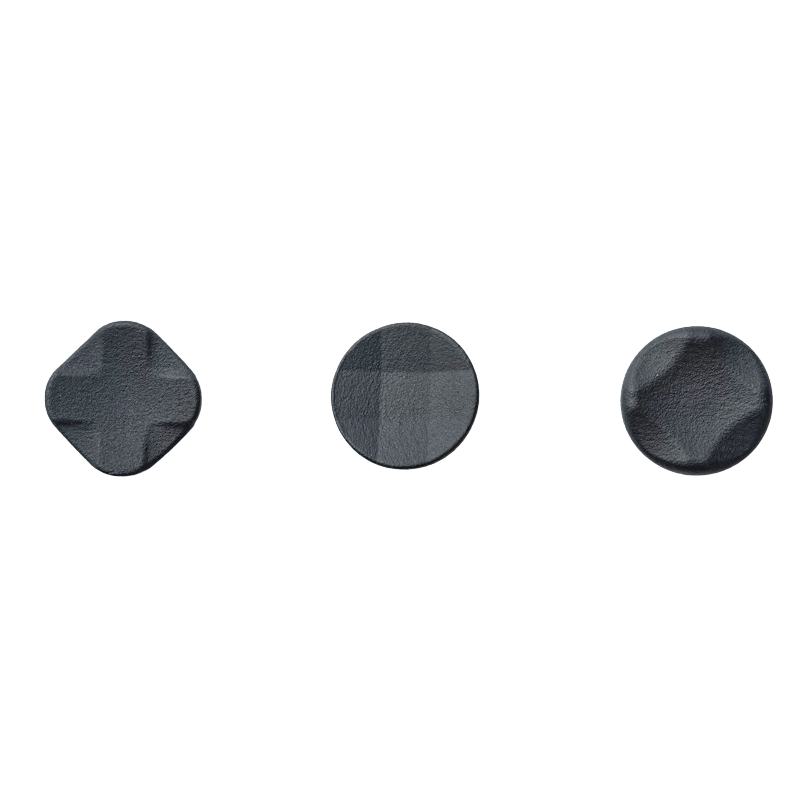
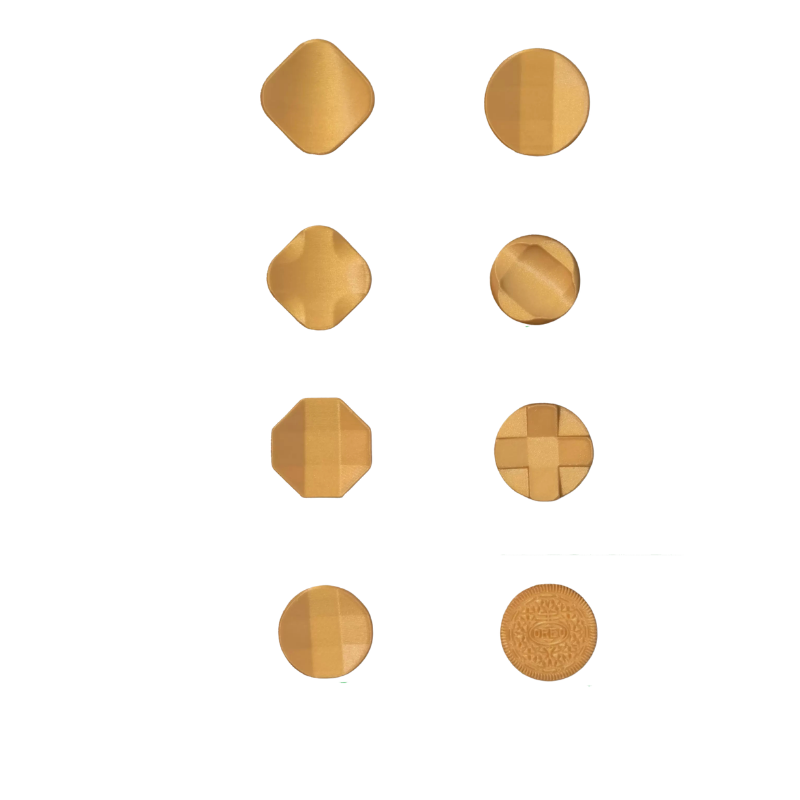
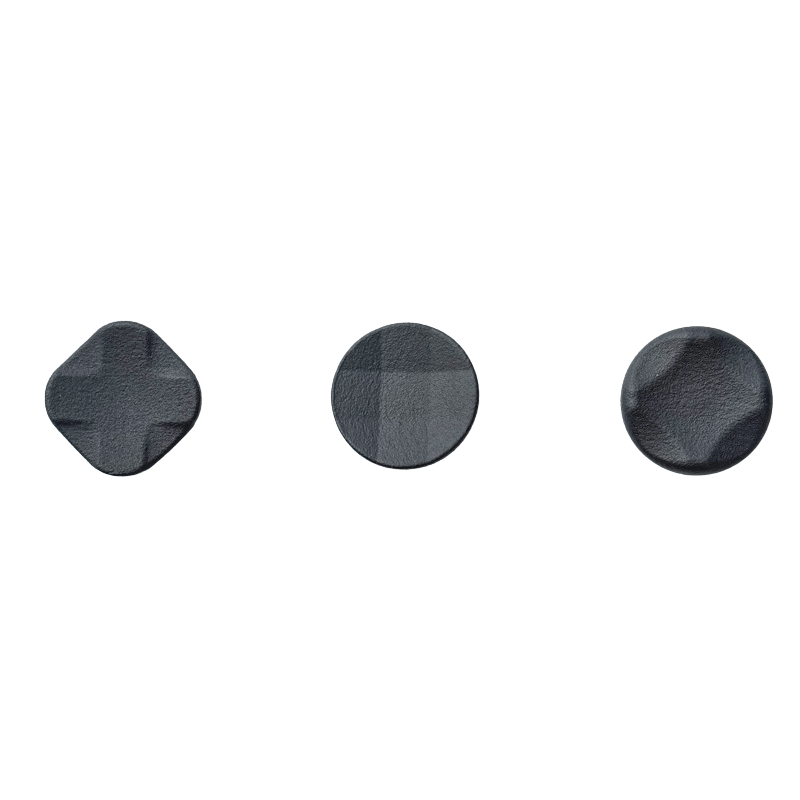
Thumbstick Cap Note: Stock Vader 5 Pro V2 caps are small and firm — Flydigi's own replacement caps can rub against the tension dials. Pro-tip: GameSir G7 caps fit the Vader V2 beautifully. KP40D uses wider, flatter, softer caps — comfortable out of the box, but outer edge ribbing could be more aggressive for slip prevention.
Input Mechanics: Actuation Weight & Rebound Snappiness
The actuation force and response curves of face buttons and triggers completely alter how these controllers perform across different gaming genres.

ABXY Face Buttons
Optical 3.0 — 40–60g
Incredibly light — you can lightly graze the surface to register an action. Brilliant for instant reflex inputs. Caveat: soft silicone dampening means weak rebound force — rapid-fire mashing causes thumb fatigue as your thumb must lift the button manually.
Mechanical Microswitch — ~100g
Requires deliberate, firm press — but the tactile return force is immensely strong. No matter how aggressively you hammer the keys, the button springs back instantly to meet your thumb.
Bumpers & Dual-Mode Triggers
Industry Benchmark
LB/RB: clicky, lightweight, actuatable from almost any finger angle. Dual-mode trigger toggle (rear latch): instant swap between crisp mouse-click hair-trigger for FPS and deep linear Hall Effect pull for racing. Industry benchmark execution.
Conflicting Design Choices
Bumpers are incredibly stiff (~120–130g) despite feather-light face buttons. Short trigger throw (~5–6mm vs standard 8mm), with default calibration causing input values to skip numbers on slow pulls — less ideal for racing precision. Click mode feels pleasantly dampened and soft.
D-Pad & Gyro: Precision Fighting vs. Menu Navigation

D-Pad — Vader 5 Pro V2 Wins for Fighting
Included Xbox-style faceted dish with micro-switches — handles complex diagonal inputs cleanly without ghosting or directional bleeding.
Significantly heavier and deeper — distinct micro-switch feedback on primary axes is great for hotkey swapping, but quarter-circle inputs require too much physical force.
Gyroscope — Vader V2 Leads on Consistency
Flydigi's motion-to-stick mapping remains incredibly optimized — high polling consistency, zero noticeable drift, near-instant processing latency.
Massive upgrade over older generations — but rapid, high-velocity flicks can occasionally cause the sensor to lag behind 1:1 tracking.
Final Verdict
Neither Invalidates the Other — It's a Clean Genre Divide
Choose the Vader 5 Pro V2 if...
You prioritize competitive PvP titles, tactical shooters, or racing games. You want minimal wireless latency, ultra-snappy face button rebounds, precise gyroscope execution, and a structural mold that rewards medium-to-large hand placement. Built as a high-performance gaming instrument.
Choose the KP40D if...
You focus on cozy PvE experiences, immersive RPGs, or casual action games. If you prefer ultra-light feather-touch face buttons, love premium velvety texture for long sessions, and have smaller-to-medium hands that benefit from a rounder, wider chassis profile.


Join the Conversation
Sweaty competitive instrument or cozy couch companion?
Are you picking the Vader 5 Pro V2 for its benchmark triggers and snappy rebounds, or the KP40D for its feather-touch Optical 3.0 and skin-like comfort wrap? Drop your main gaming genres and your pick in the comments below.





Leave a comment
All comments are moderated before being published.
This site is protected by hCaptcha and the hCaptcha Privacy Policy and Terms of Service apply.