





























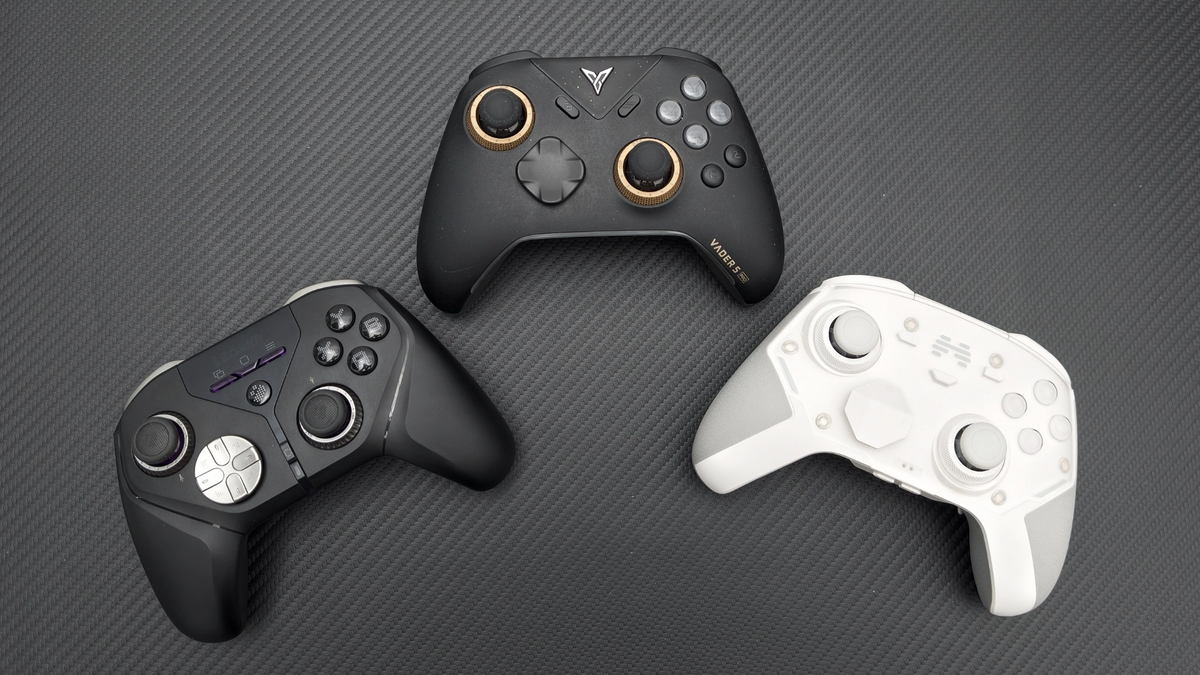
Vader 5 Pro vs KP40D vs Xeno Pro: The $70–80 Controller Showdown
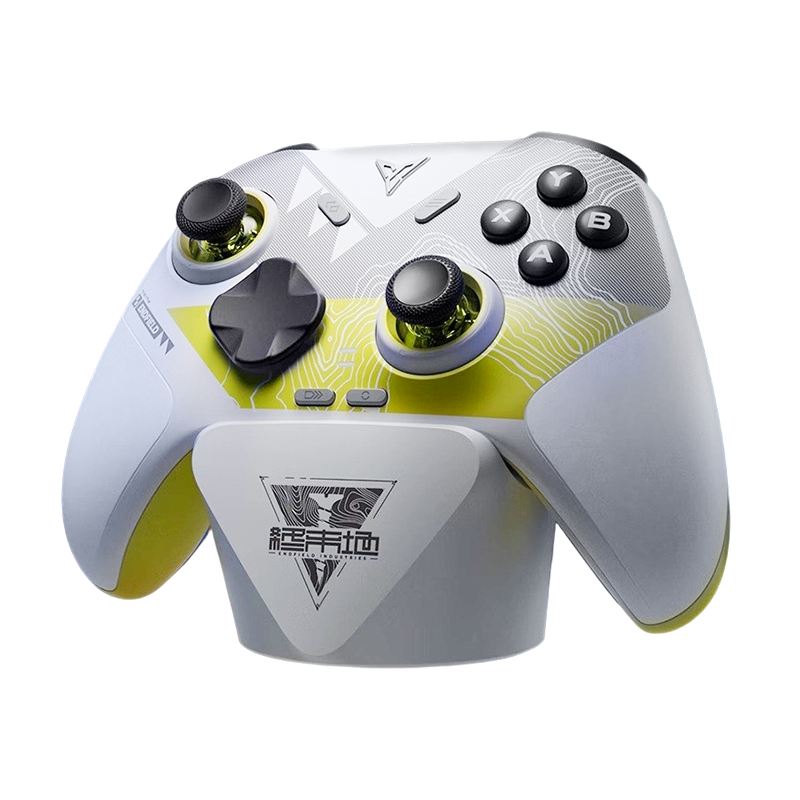
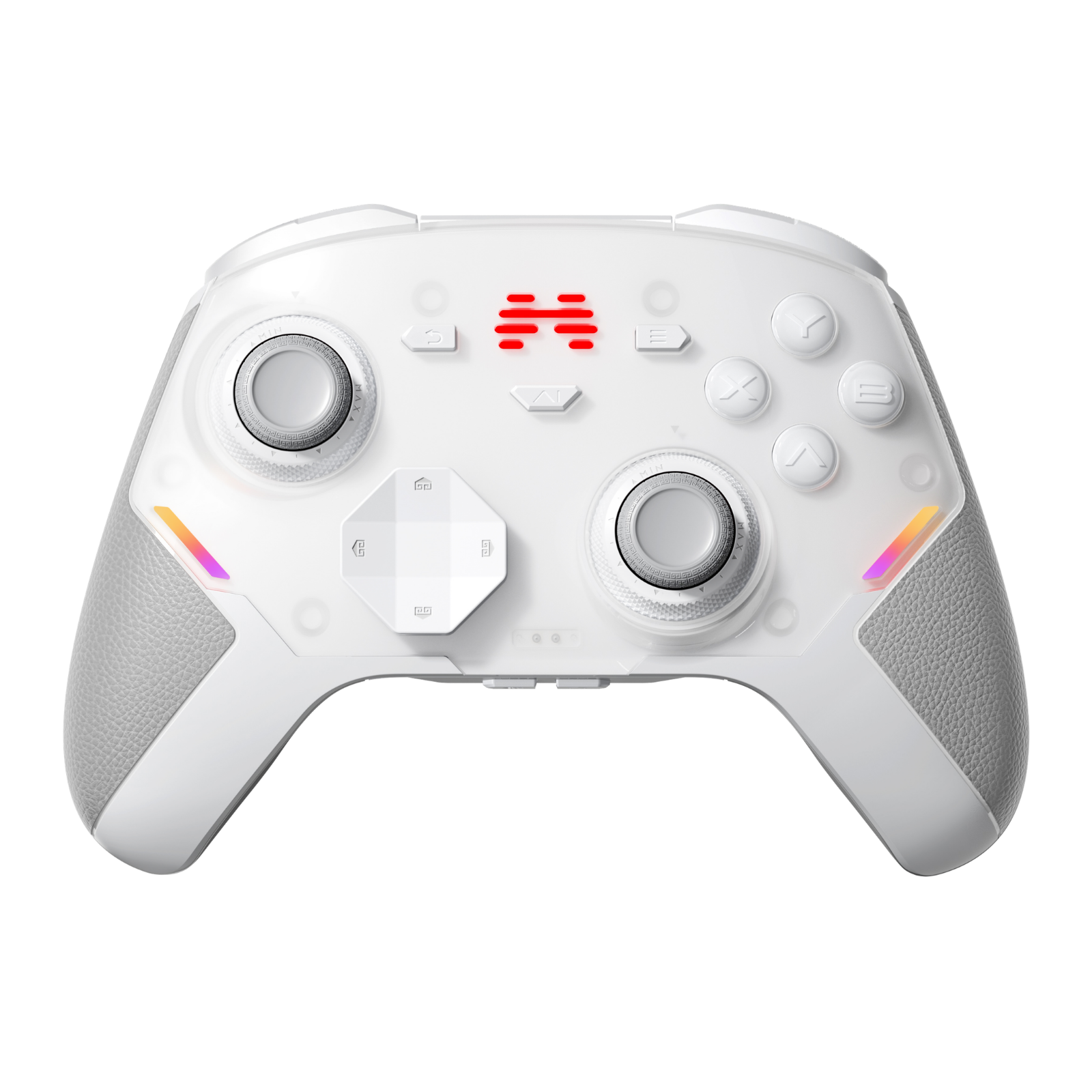
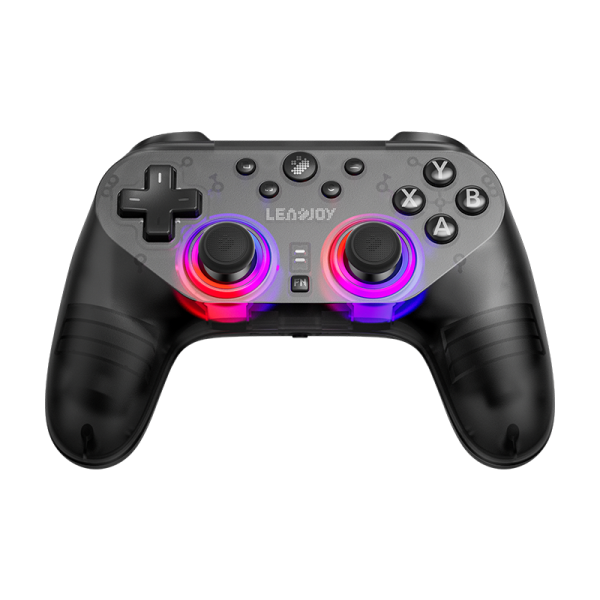
Spend any time in controller communities this year and three names keep colliding in the "$70–80, what should I get?" threads: the Flydigi Vader 5 Pro ($74.99), the Beitong KP40D ($79.99), and the LEADJOY Xeno Pro ($69.99 with a charging dock in the box).
We sell all three at GadgetHyper — so consider this less a verdict and more a field guide. We've spent real time with each, and here's the honest headline up front: there's no overall winner, but there IS a right answer for each kind of player.
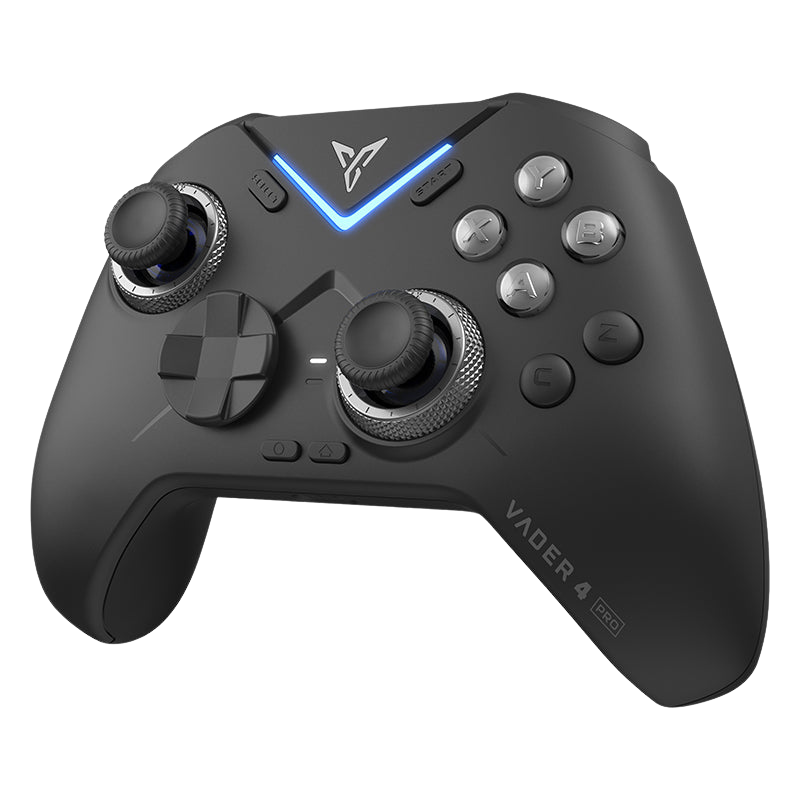
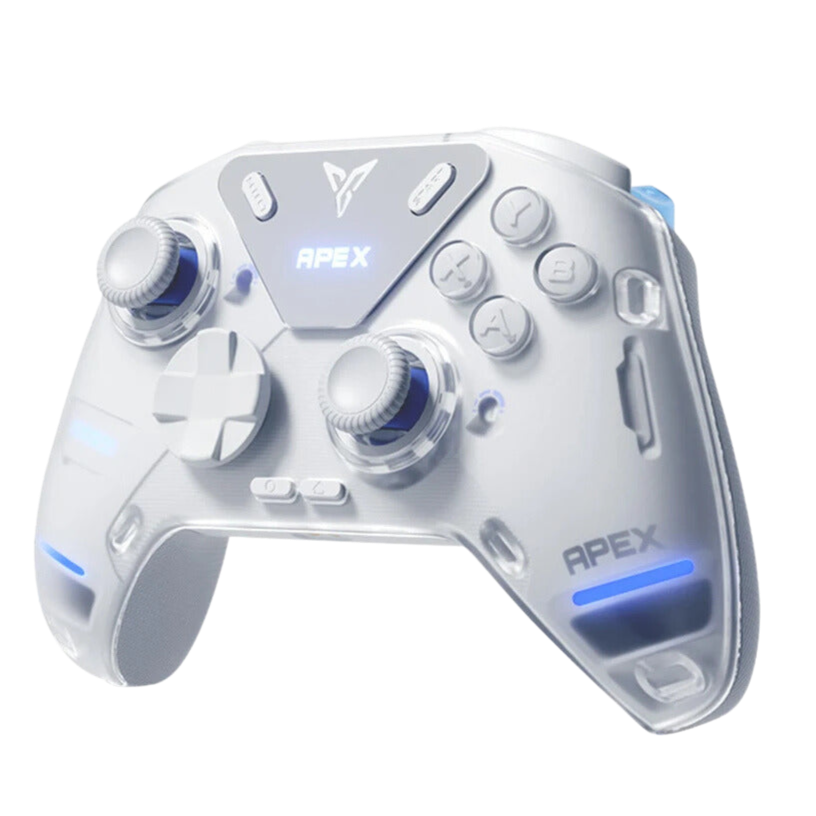
Vader 5 Pro: the polished all-rounder that leans AAA — best-in-class wireless, best-in-class rumble tuning, huge accessory ecosystem.
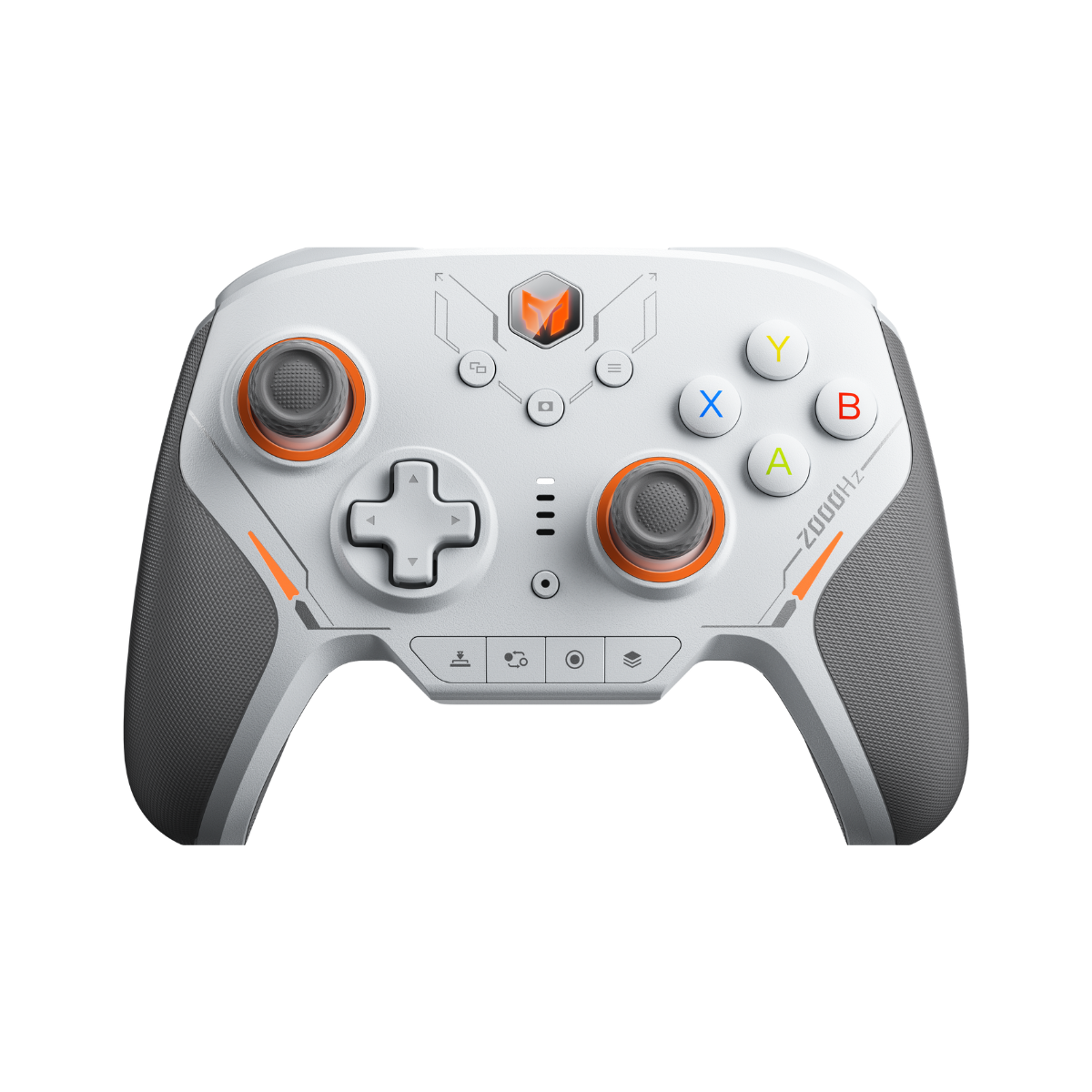
Xeno Pro: the FPS-leaning pick — full consistent micro-switches, adjustable stick tension, and a dock, at the lowest price.
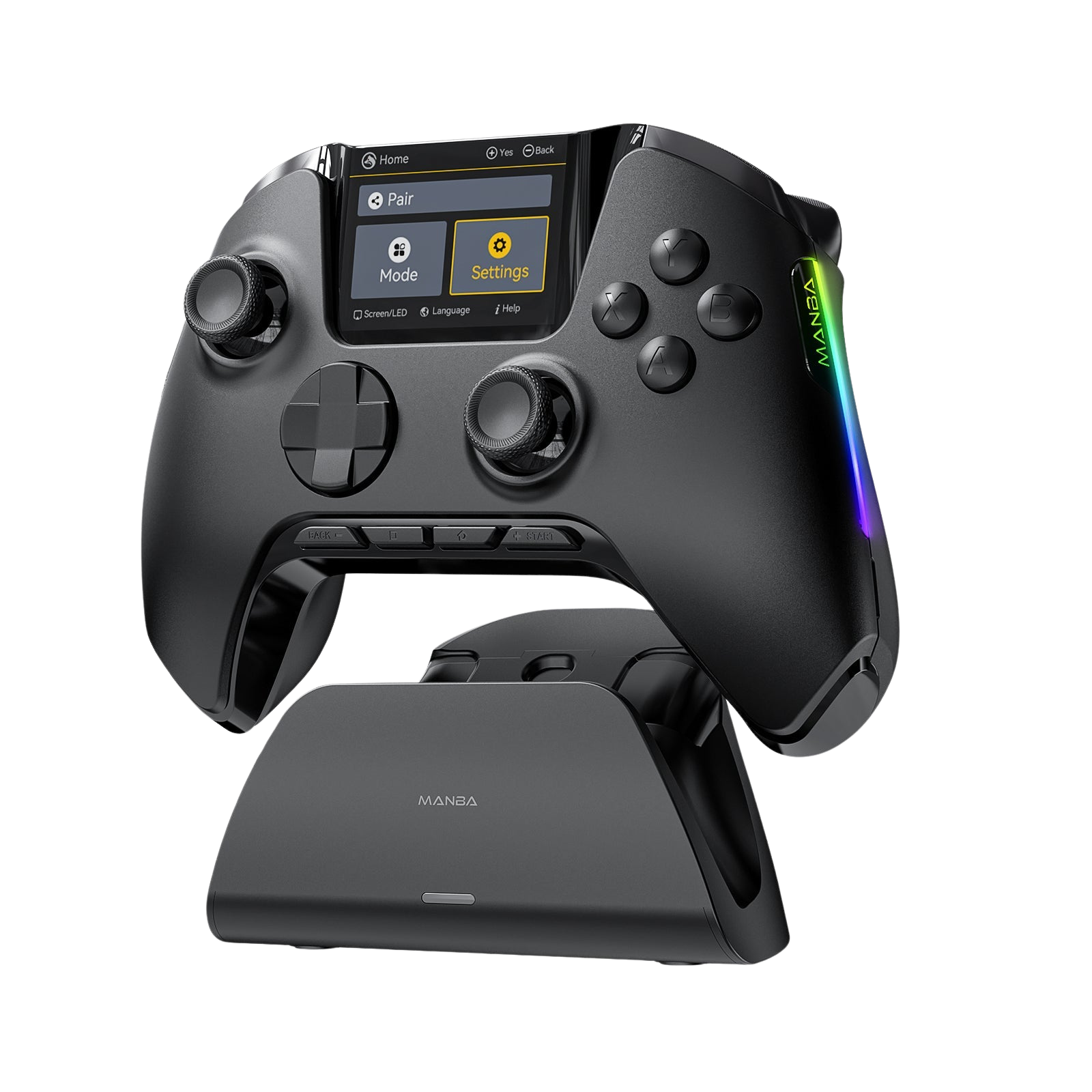
KP40D: the balanced, tactile one — optical buttons, a safe-dial tension ring, and a boutique mechanical feel.
Side by Side
| Vader 5 Pro | KP40D | Xeno Pro | |
|---|---|---|---|
| Price | $74.99 | $79.99 | $69.99 (dock included) |
| Personality | Polished all-rounder, AAA-leaning | Balanced + tactile/boutique | FPS-leaning value king |
| Stick | TMR, tension ring (ratchet on current batches) | TMR, 25-step geared tension (30–90 gf) | Ginfull KT26 TMR, geared tension (~40–80 gf) |
| ABXY | Micro switch + silicone | Optical (light-axis) | Micro switch, ~90 gf |
| Extra Buttons | 4 back | 2 top micro + 2 magnetic angle-swappable back | 4 back |
| Triggers | Dual-mode (Hall + micro), trigger motors | Dual-mode (Hall + micro), trigger motors | Dual-mode (Hall + micro), trigger motors |
| Vibration | Elite rotor tuning | Rotors, solid | 4 motors + instant-stop |
| Polling | 1000Hz wired / wireless | 1000Hz wired / wireless | 1000Hz wired / wireless |
| Battery | 1000mAh | 1000mAh | 1000mAh |
| Weight | Medium, lighter than Apex-line flagships | ~264g | ~241g |
A quick honesty note on latency: the three controllers' numbers come from different testers and methods — Vader 5 Pro measured around ~2.9ms wired in our own tracking, Xeno Pro ~2.6ms wired / ~5.9ms wireless in third-party testing, KP40D rated ~3ms wired / ~5ms wireless by Beitong. Same ballpark, same 1000Hz class — treat these as "all fast enough," not as a leaderboard.

Vader 5 Pro: The Seasoned All-Rounder
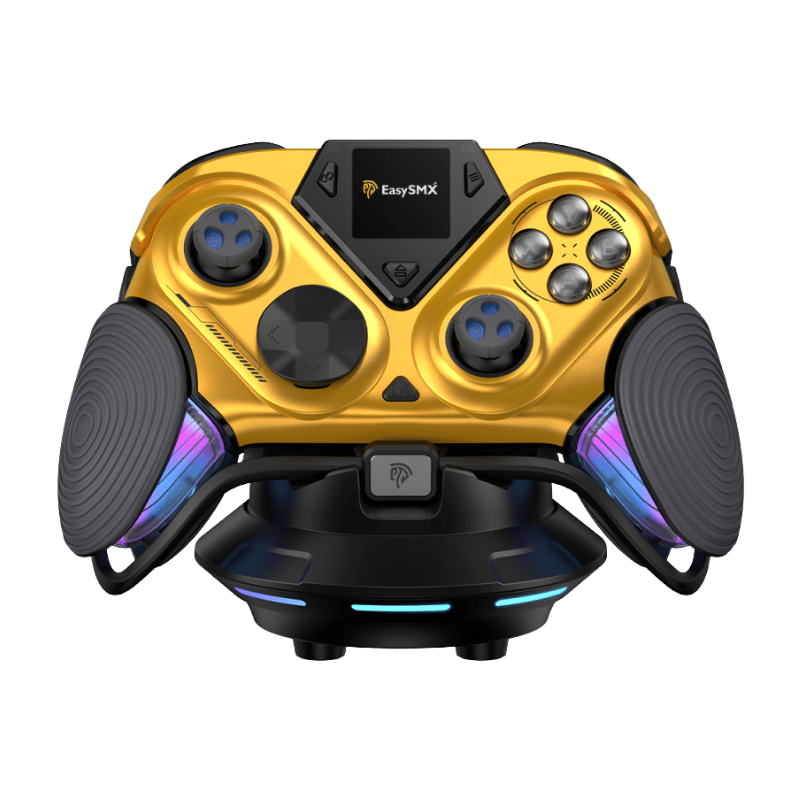
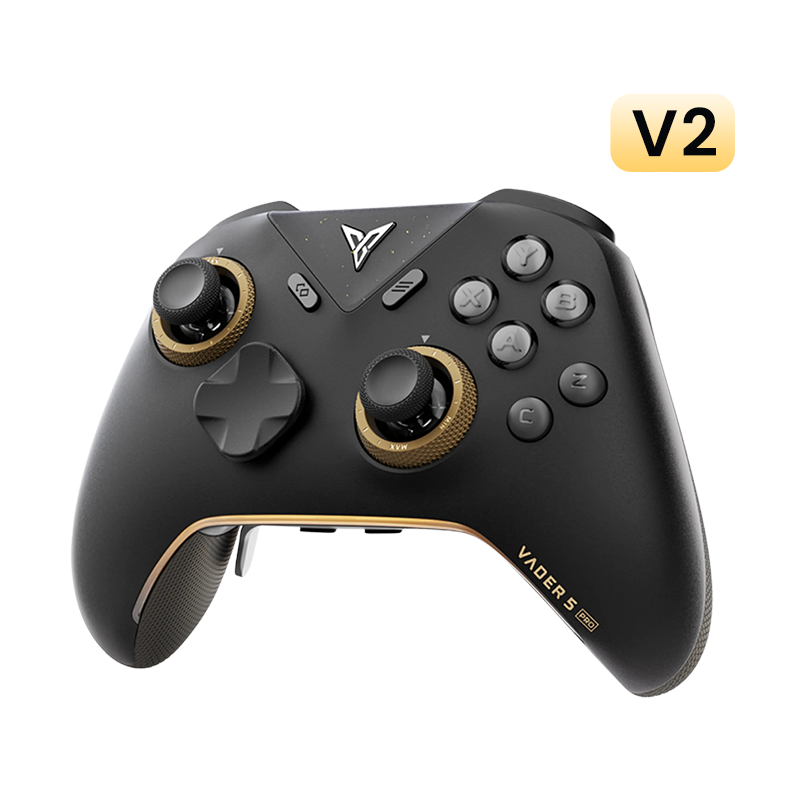
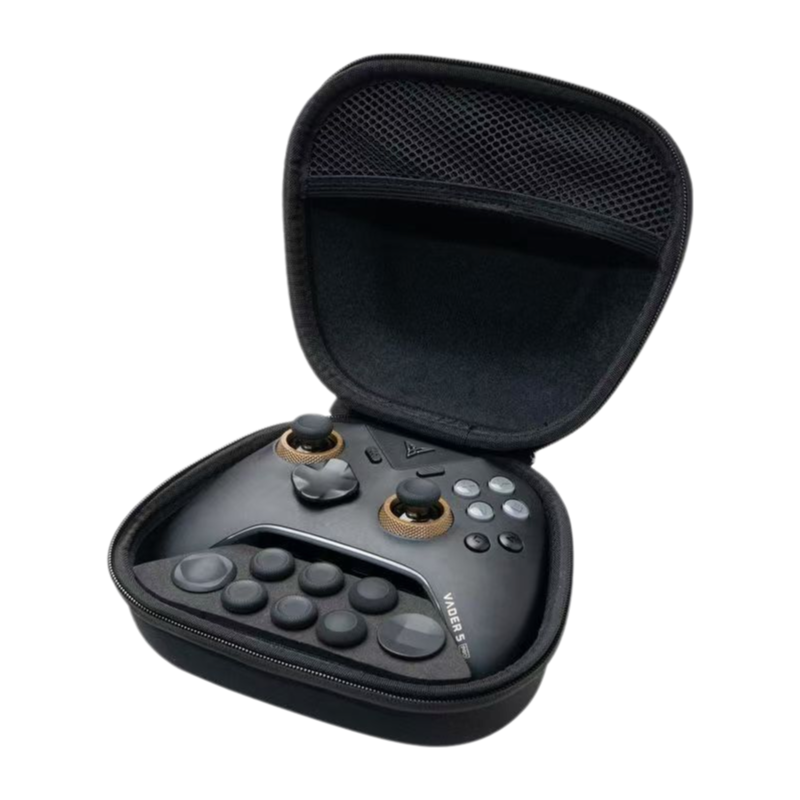
The Vader 5 Pro is what happens when a manufacturer gets to iterate on the same family for years: it inherited the Apex line's back buttons, the Direwolf's beloved lever-micro dual-mode triggers, and Flydigi's latest stick tuning, then wrapped it all in a clean black-gold shell with a subtle starfield panel up top. It looks expensive. It isn't, particularly.

What stands out in the hand:
- Wireless that embarrasses flagships. Flydigi's wireless implementation has been a genuine bragging point for two generations — latency only about ~1ms above wired in testing. For FPS over 2.4GHz, it's as safe as wireless gets.
- Best-in-class rotor rumble. The tuning of the humble rotor motor is basically solved here — instant start/stop behavior, clean intensity steps, and a range that tracks the Xbox Series controller closely (our tip: nudge grip vibration to ~65% strength to match that feel).
- The dual-mode trigger, perfected. Crisp micro-switch mode for shooters, smooth Hall linear for racers, with a gentler edge profile than last gen. No gimmicks, just the best execution of the idea at this price.
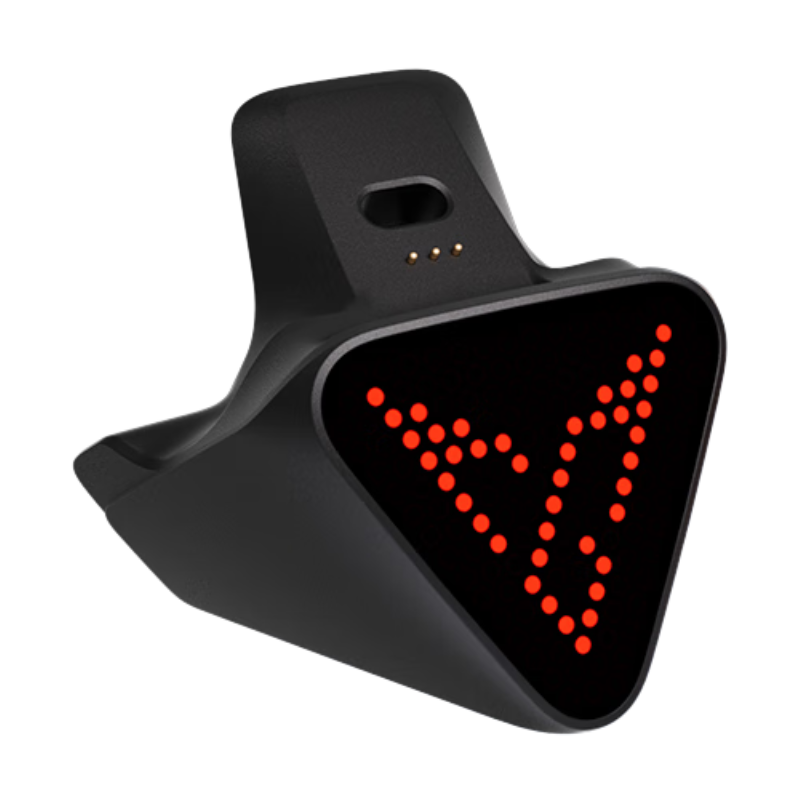
- Family ecosystem. Back buttons, D-pads, and the Apex-style charging dock are cross-compatible within Flydigi's current lineup, so accessories follow you if you upgrade within the family.


What's the catch? Early production batches had two known annoyances — tension rings that could drift under aggressive play, and back buttons that felt less robust than they should. Both are fixed hardware-side: units from March 2026 onward ship with ratchet "safe-dial" tension rings (tactile clicks, stays exactly where you set it) and glass-fiber-reinforced nylon back buttons. Every unit we sell is from the new batch — if you're buying today, you're getting the definitive version.

Flydigi Vader 5 Pro
$74.99One controller that's quietly excellent at everything — rumble quality and wireless polish included.
Beitong KP40D: The Tactile Boutique
The KP40D is the controller for people who like their gear to feel mechanical. Everything on it clicks, clacks, or ratchets with intent.

- Optical ABXY. Instead of micro switches, Beitong uses light-axis buttons with a super-short 0.25mm actuation — crisp and lightning-fast, with a solid, deliberate press that feels more substantial than a typical clicky switch. One honest note: they're on the louder side, so quiet-room gamers beware.
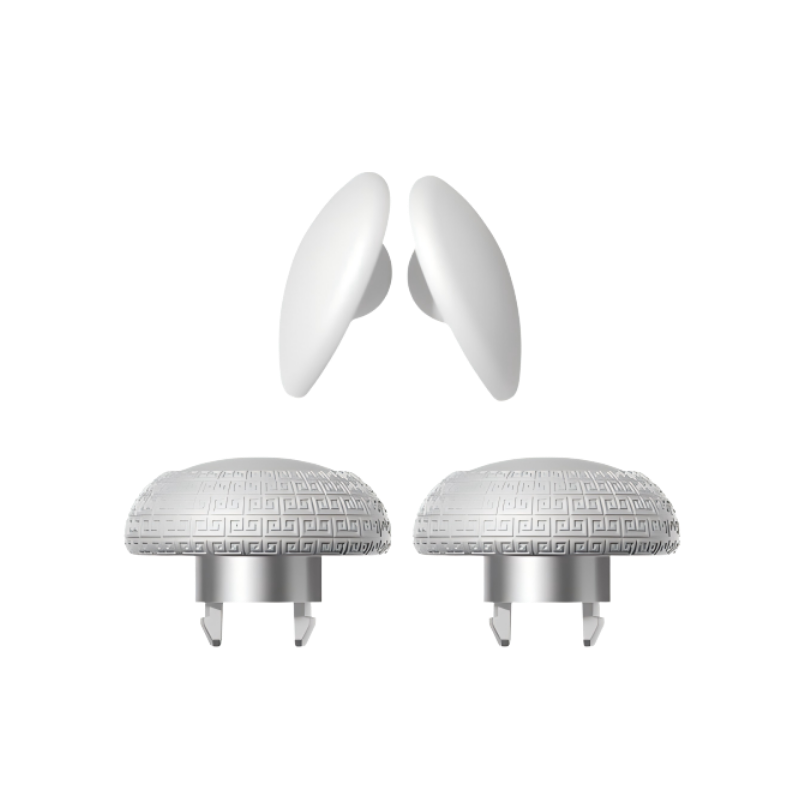
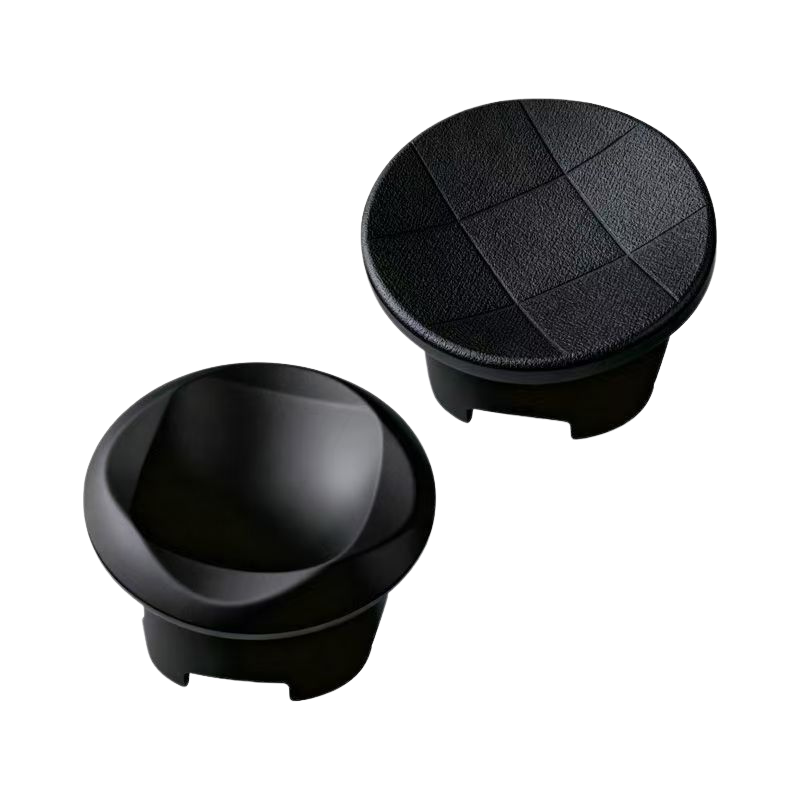
- The safe-dial tension ring. Twenty-five geared steps across 30–90 gf (about 2.4 gf per click) — turning it genuinely sounds and feels like cracking a high-end safe. It locks into each setting with zero drift, and the zero-contact anti-wear design means no grinding on the stick post. Beitong even includes a taller spare stick so thumb grip caps clear the ring.
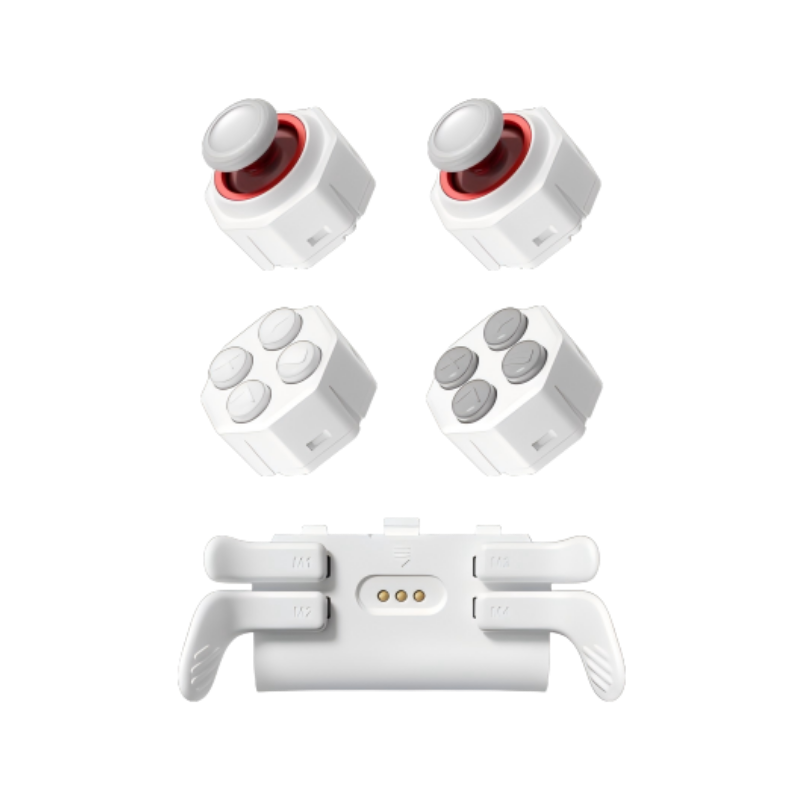
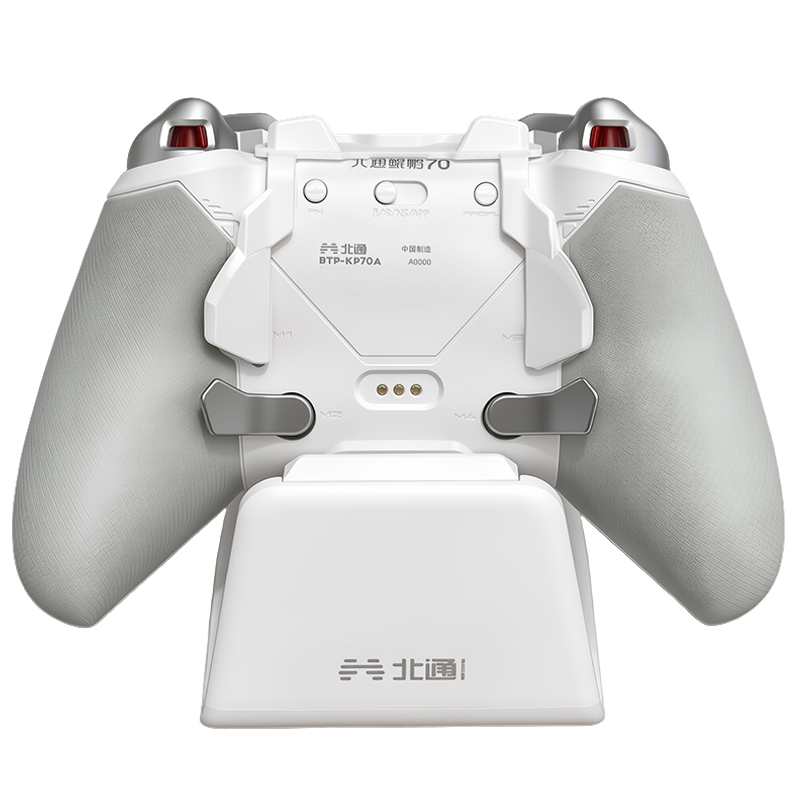
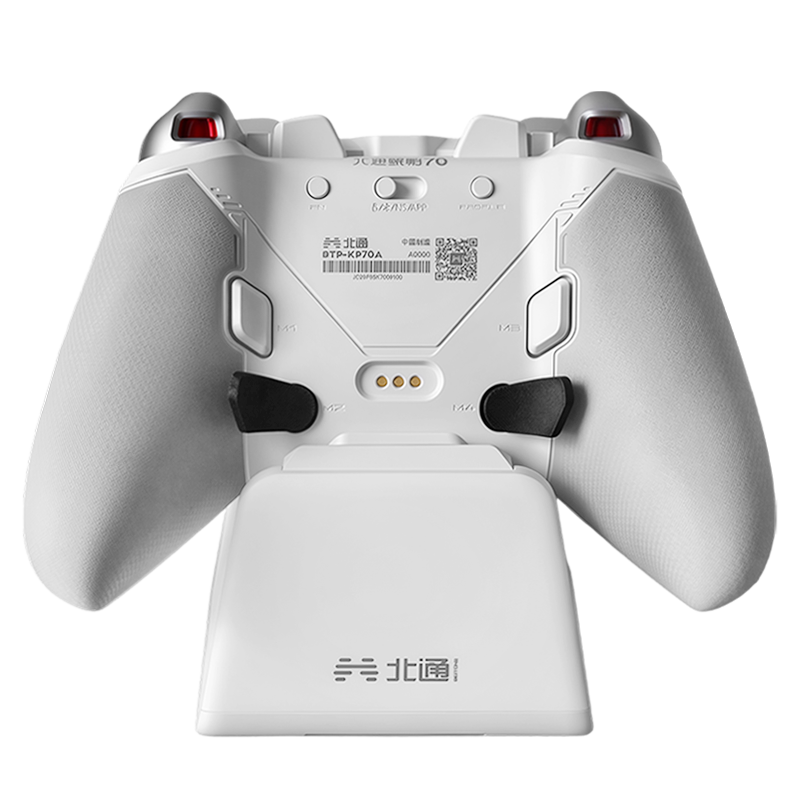
- Buttons everywhere. Two extra micro buttons up top (rounded, positioned so they don't get in the way of the trigger), plus two magnetic back buttons you can pull off and re-seat at three different angles — flat, 45°, or 90°. Long fingers, short fingers, fresh manicure: all accommodated.
- The "skin-like" grip. Where most competitors went sharp and diamond-cut, Beitong went the other way — an organic matte texture that feels friendly over long, relaxed sessions.


The quirks: the Home button sits at the bottom (classic Beitong — takes a minute if you're coming from Xbox), the software's English localization is still catching up (you may meet the occasional untranslated pop-up; we're actively feeding this back to Beitong), and it's the heaviest of the three at ~264g — though the leather-texture grip wears the weight well.
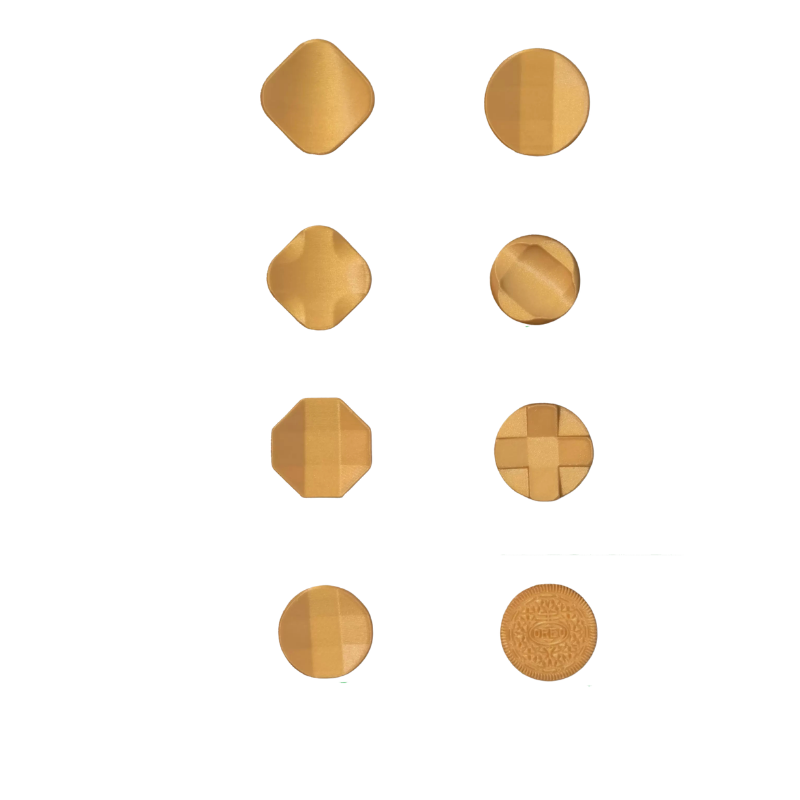
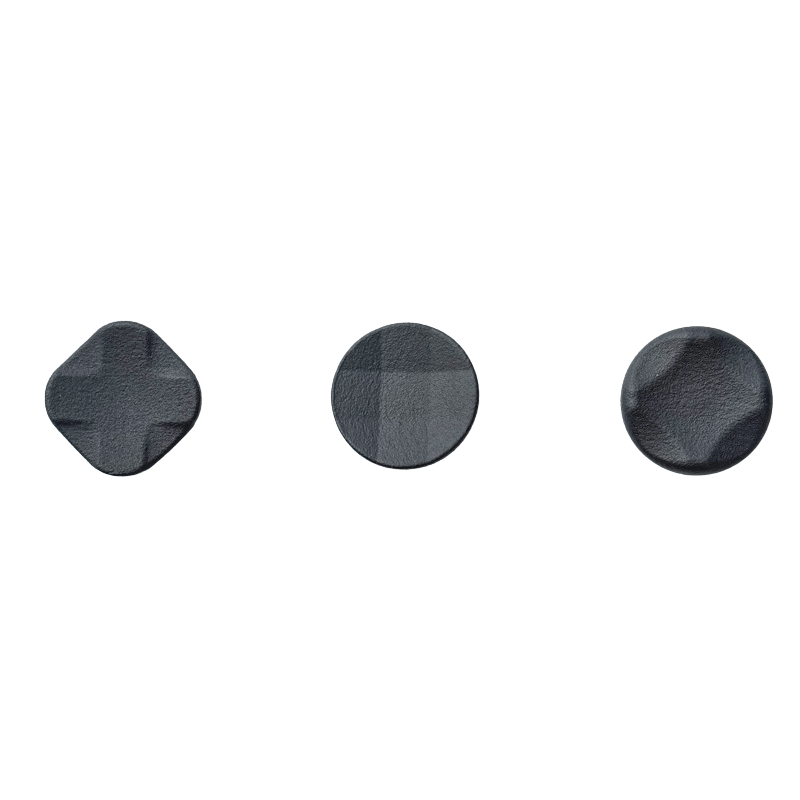
One more thing for the tinkerers: the KP40D is fully compatible with the KP70 Elite Accessory Kit — swappable stick heights, back paddle styles, and D-pad shapes all cross-fit. If you like tuning ergonomics, the KP40D plus the accessory kit is a rabbit hole worth falling into.

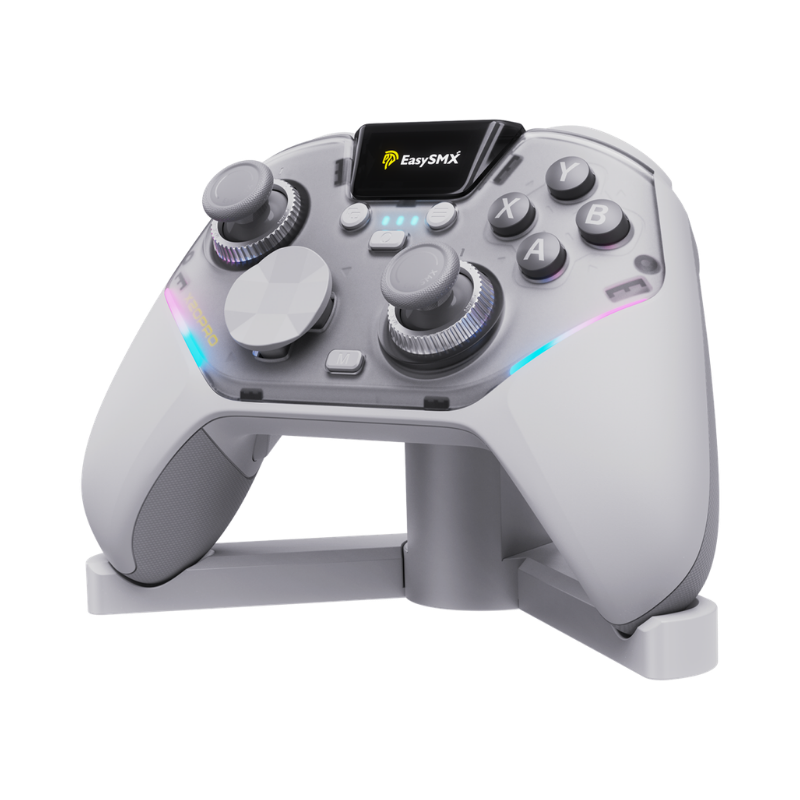
Beitong KP40D
$79.99Competitive-capable hardware with a distinctly mechanical, customizable personality.
LEADJOY Xeno Pro: The FPS Value King
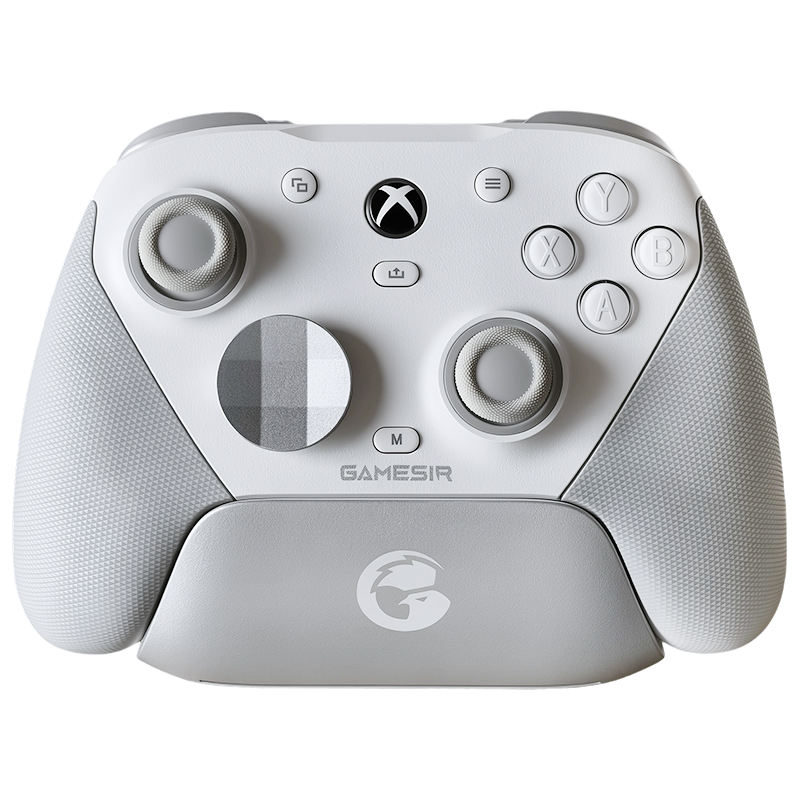
The Xeno Pro is the cheapest controller here and, on paper, the most ridiculous: full micro-switch everything, an adjustable-tension stick, four motors, 1000Hz wired and wireless — and a charging dock in the box.

- Consistency is the party trick. Sixteen micro switches tuned to within a few grams of ~90 gf across ABXY, D-pad, shoulders, and all four back buttons. Most "full micro" controllers feel like three different instruments taped together; this one feels like one. In fast FPS inputs and fighting-game strings, that uniformity is a real thing you feel.
- An adjustable stick that finally works for FPS. The Ginfull KT26 TMR twists from ~40 to 80 gf via a geared ring (no tools, no app) — light for tracking-heavy shooters, heavier for AAA. Centering is excellent and there's no meaningful center-press deflection. The honest trade: pure sensor precision sits a hair below the class-leading JS13 Pro (found in its own sibling, the Xeno Plus) — invisible in real play for most of us, but precision obsessives should know.
- Four motors with instant-stop. Two grips + two triggers, and vibration that cuts the instant the game says stop — throttle rumble that dies when you lift off, recoil that stays tight and separated.
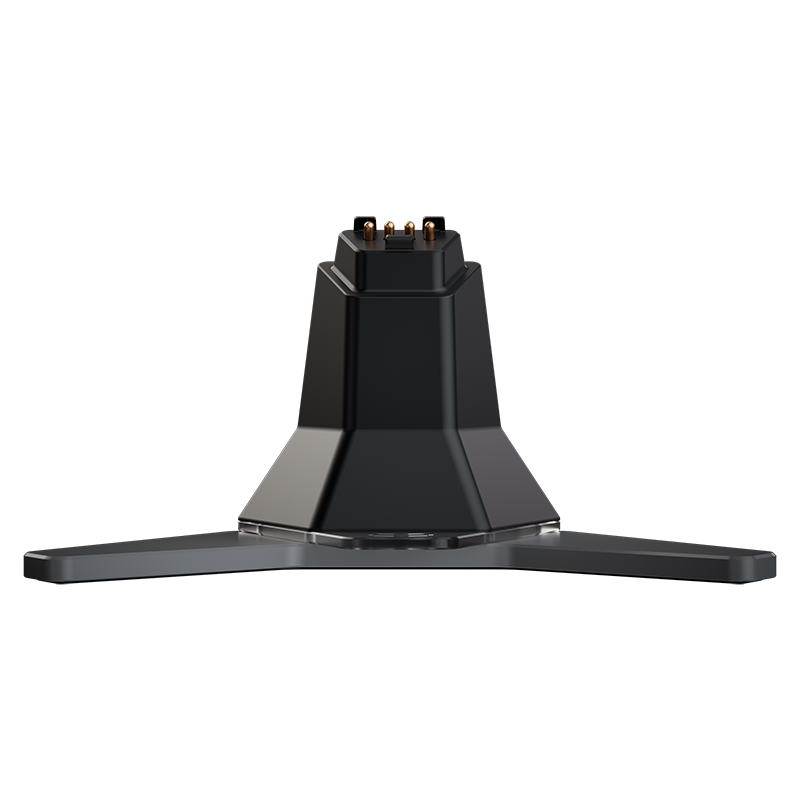
- The dock. At this price, a wireless charging dock in the box is borderline unfair to the competition.


The catches: the shoulder buttons run light, with a soft ~50 gf outer edge (the switch sits off-center — a slight seesaw; retail units improved over early samples, and most players adapt in days, but hair-trigger shoulders aren't for everyone). The micro D-pad's travel is short. And the included high-friction stick caps attract dust and wear with time — normal for the material.

LEADJOY Xeno Pro
$69.99Competitive everything on a budget — consistent, light, and docked.
Category by Category
All three offer tension adjustment — a year ago that was flagship-only territory. The KP40D's 25-step ratchet ring is the most satisfying to use; the Xeno Pro's KT26 is the most FPS-proven of the adjustable bunch; the Vader 5 Pro's ratchet ring (current batches) finally matches them on stability. Honest tie, different flavors.
Xeno Pro wins on switch uniformity; KP40D wins on speed (0.25mm optical) and sheer extra-button creativity; Vader 5 Pro wins on familiarity — everything where your hands expect it, nothing to relearn.
All three have dual-mode triggers and trigger motors. For rumble quality, the Vader 5 Pro's tuning is a clear step ahead — it's the one that most convincingly channels that big-console feel. Xeno Pro's instant-stop quad setup is the sleeper pick for racing. KP40D is solid, just less showy.
Three deep toolkits with different personalities — Flydigi's Space Station is the most polished, LEADJOY's is the most FPS-nerd (AI counter-curves!), Beitong's is the kitchen sink (mouse mode, voice, AI button). All are better than what $70 bought you two years ago.
Xeno Pro is the compact, small-to-medium-hand option (~241g). KP40D is the substantial, big-friendly one (~264g). Vader 5 Pro sits in the middle. This alone might make your decision — match the shell to your hands first.
So, Which One?
- Your library is mostly AAA and you want the most refined single package — rumble, wireless, triggers, ecosystem: Vader 5 Pro.
- Your library is mostly Apex/COD and your wallet has opinions: Xeno Pro.
- You split your time between both, love mechanical-feeling gear, and want to tinker with layouts: KP40D (and maybe that accessory kit).
Whichever you land on, this is the good kind of problem: two years ago, everything on this page was a $130+ feature list.






Leave a comment
All comments are moderated before being published.
This site is protected by hCaptcha and the hCaptcha Privacy Policy and Terms of Service apply.