






























Why Are PlayStation, Xbox, and Nintendo Buttons All Different? A 40-Year Feud, Explained
Hey everyone — Ray from GadgetHyper here. If you play on more than one platform, you know this pain: you spend all week on an Xbox-layout controller, then pick up a Switch Pro pad on the weekend — and suddenly you're confirming when you mean to cancel.
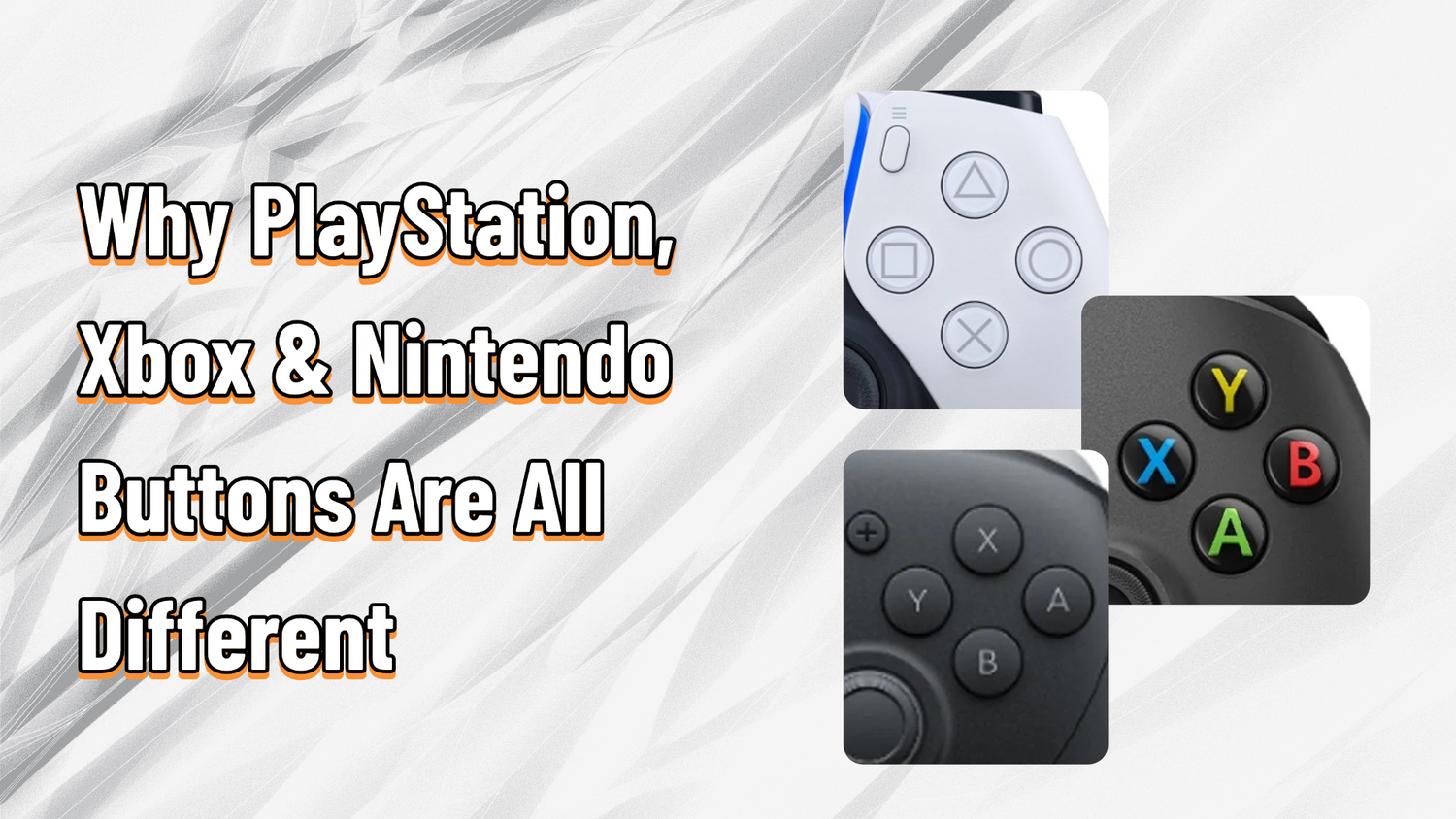
Both controllers use A for "confirm" and B for "cancel." The problem is they're in opposite spots, and your muscle memory faceplants every single time. So why hasn't anyone unified controller buttons? Why did gamepads never get their USB-C moment? The answer is a genuinely fun bit of gaming history — grab a drink.
Invents the Rules (Then Keeps Breaking Them)
Pretty much every modern controller descends from Nintendo's 1983 Famicom (the NES). Its D-pad was a stroke of genius that survives to this day. But look at the buttons: B on the left, A on the right. Shouldn't alphabetical order put A first? Nintendo had a reason: A was "confirm," the most-pressed button in every game — so they put it in the easiest-to-reach spot, the far right. Nintendo's A-on-the-right isn't random. It's a 40-year-old ergonomic decision.
The SNES then added X and Y on top (named X/Y instead of C/D to mark them as a separate button group — nobody seems to know why those exact letters) plus L and R shoulder buttons. That's basically the modern controller layout, finalized in 1991.
So why didn't Nintendo's layout become THE standard? Partly because rivals deliberately avoided copying it — and partly because Nintendo itself couldn't sit still. The N64 ditched X/Y for four yellow C buttons (but invented the analog stick). The GameCube supersized the A button and turned X and Y into little beans. The Wii turned the controller into a TV remote. Every new console mugged the previous generation's muscle memory. It took until the Switch for Nintendo to innovate AND keep the classic layout intact — the Joy-Cons split apart for new ways to play, then click into a grip and behave like a normal pad.

Sega Picks the Opposite Order, Microsoft Inherits It
To explain Xbox, you have to start with Sega. The 1988 Genesis (Mega Drive) came from arcade DNA and left-to-right reading order, so its buttons ran A, B, C, X, Y, Z — left to right, the exact opposite of Nintendo. Same functions (A confirm, B cancel), mirrored positions. The Saturn kept it. The Dreamcast finally adopted Nintendo-style diamond ABXY — but kept Sega's left-to-right order, because its players were already trained on it.

The Dreamcast was a genuinely good console that had the misfortune of fighting the PS1, N64, PS2, and GameCube all at once. Sega exited the hardware war in 2001 — and right on cue, Microsoft entered with the original Xbox. Look at the first Xbox controller next to a Dreamcast pad and the family resemblance is undeniable: left stick up top, D-pad below, and Y-top / A-bottom / X-left / B-right on the right cluster. Microsoft then marketed the thing with effectively unlimited money, Xbox conquered North American living rooms, and an entire generation of Western players learned "confirm is the bottom button." PC gaming simply followed suit — which is why nearly every PC controller today speaks Xbox.

Says "Forget Letters Entirely"
Then there's Sony, the heavyweight weirdo. While everyone else used letters, the original PlayStation shipped with triangle, circle, cross, and square. Designer Teiyu Goto has explained the logic in interviews: distinct shapes made the PlayStation instantly recognizable — and each symbol had a meaning. Triangle stood for viewpoint or direction, square for menus and documents, and circle and cross for yes and no. It worked almost too well: four decades later, those four shapes ARE the PlayStation brand.
There's also a spicier fan theory you'll hear: the PlayStation began as a Sony-Nintendo CD-ROM partnership that collapsed spectacularly — so Sony ditching Nintendo's letter convention entirely was part branding, part declaration of war. That's a fun story more than a documented fact, but honestly? Believable.

When Confirm Meant Different Things in Different Places
Here's the twist even many PlayStation fans don't know: for years, Japan and the West disagreed on what circle and cross MEANT.
Circle = Confirm
Cross = cancel. Matches the Nintendo heritage Japanese players grew up with — confirm sits on the right, where circle lives.
Cross = Confirm
Circle = cancel. Matches the Sega heritage Western players grew up with — confirm sits at the bottom, where cross lives.
The popular explanation is that ○ and ✕ carry different cultural meanings across regions — but that theory has holes. Windows is an American product, and its close button is an ✕. If ✕ didn't mean "no/close" in the West, that button would be a circle.
Sony was adapting to what players in each region already knew. Sony simply matched local muscle memory — and finally ended the schism with the PS5, unifying worldwide on cross-to-confirm, circle-to-cancel. Not coincidentally, that matches the Xbox layout. The empire quietly surrendered to the rebellion's coordinate system.

The 40-Year Timeline
-
1983 · NES The D-pad is born; B left, A right
Confirm goes in the easiest-to-reach spot — a 40-year-old ergonomic decision.
-
1988 · Genesis A, B, C, X, Y, Z — left to right
Arcade DNA produces the exact mirror image of Nintendo's order.
-
1991 · SNES X/Y on top, L/R shoulders appear
The modern controller layout is finalized.
-
1994 · PlayStation No letters at all
Triangle, circle, cross, square — four shapes become a brand.
-
1999 · Dreamcast Adopts the diamond, keeps Sega's order
Nintendo-style ABXY layout, Sega-style left-to-right positions.
-
2001 · Xbox Microsoft inherits the Dreamcast lineage
"Confirm is the bottom button" goes mainstream across North America — and PC follows.
-
2020 · PS5 Sony unifies on cross-to-confirm
The circle/cross schism ends — on the Xbox coordinate system.
So Why No Unification?
Because every layout is a living fossil. Nintendo's comes from a 1983 decision about thumb reach. Xbox inherited Sega's arcade lineage through the Dreamcast's ashes. Sony built a brand out of being deliberately different. Each company has hundreds of millions of players trained on its way of doing things — and any one of them "fixing" their layout to match a rival would cause a week-long internet riot.
The good news: controllers have actually converged a lot. Sticks, triggers, shoulders, overall shape — all basically the same now. The disagreement survives only in four little buttons on the right side.
Can't Wait for Unification? Cheat.
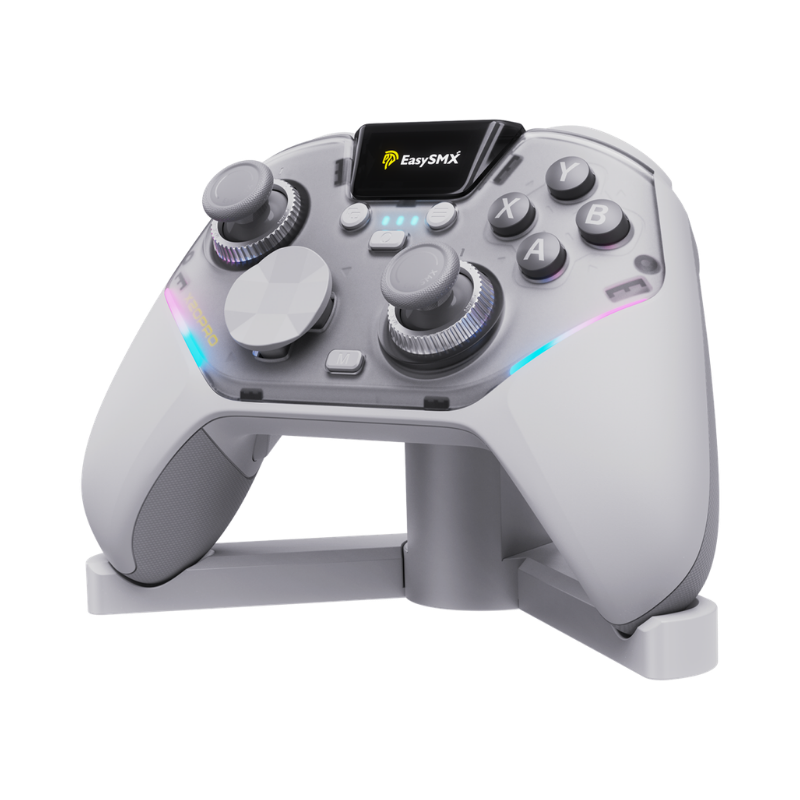
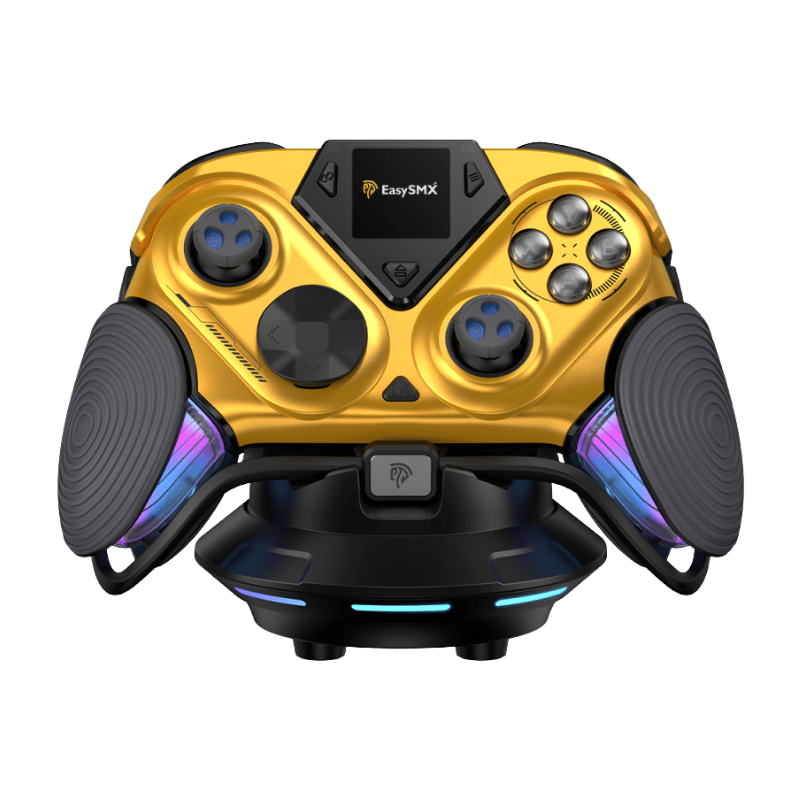
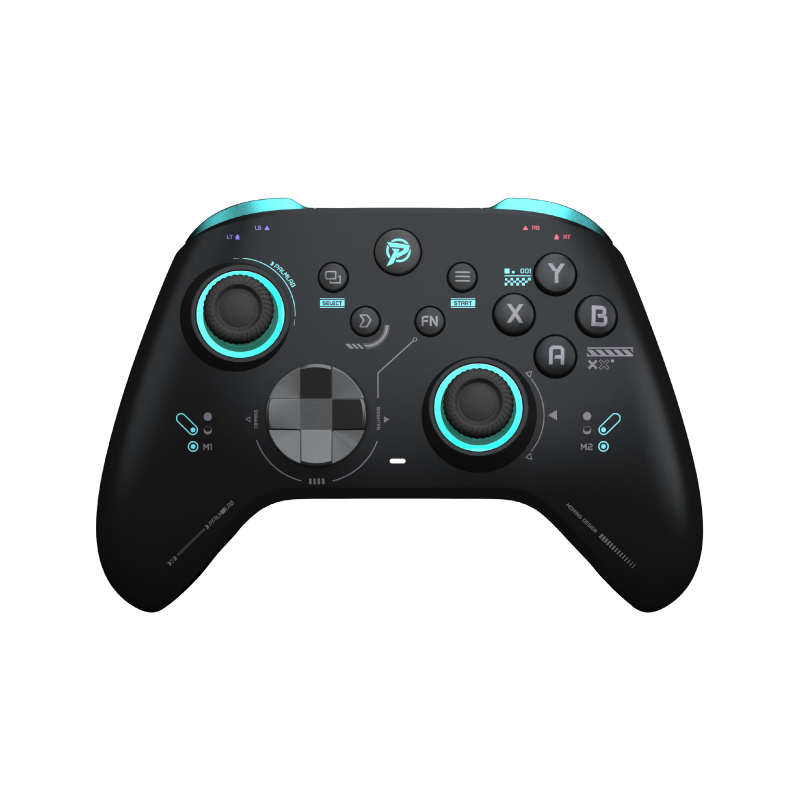
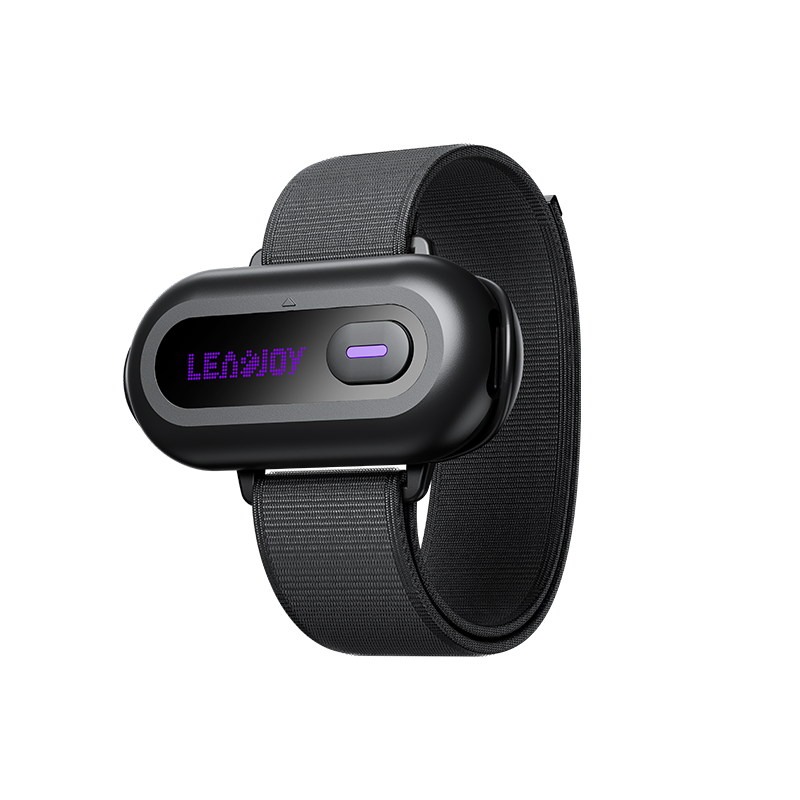
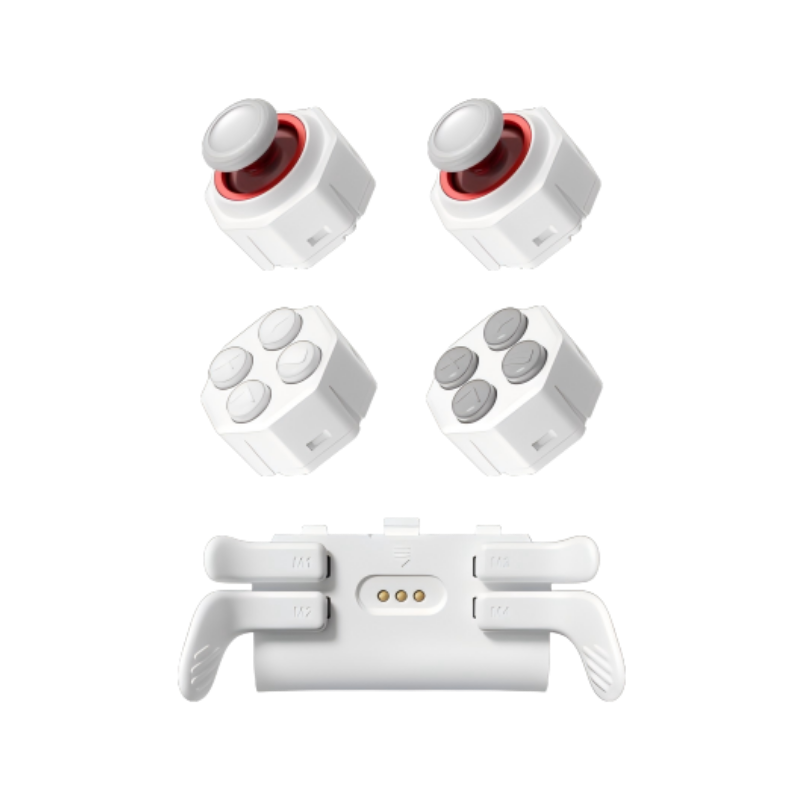
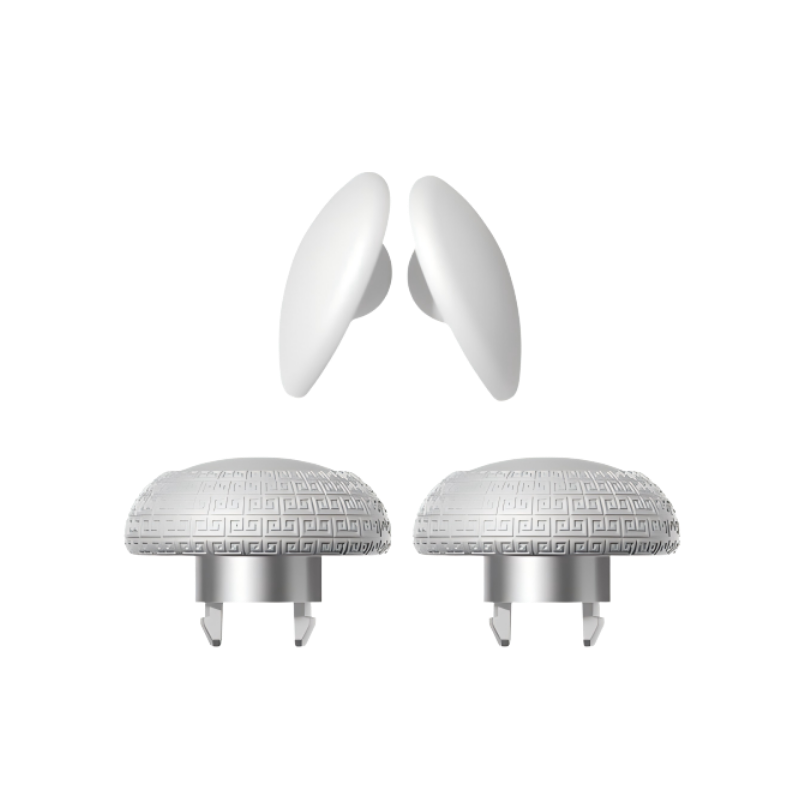
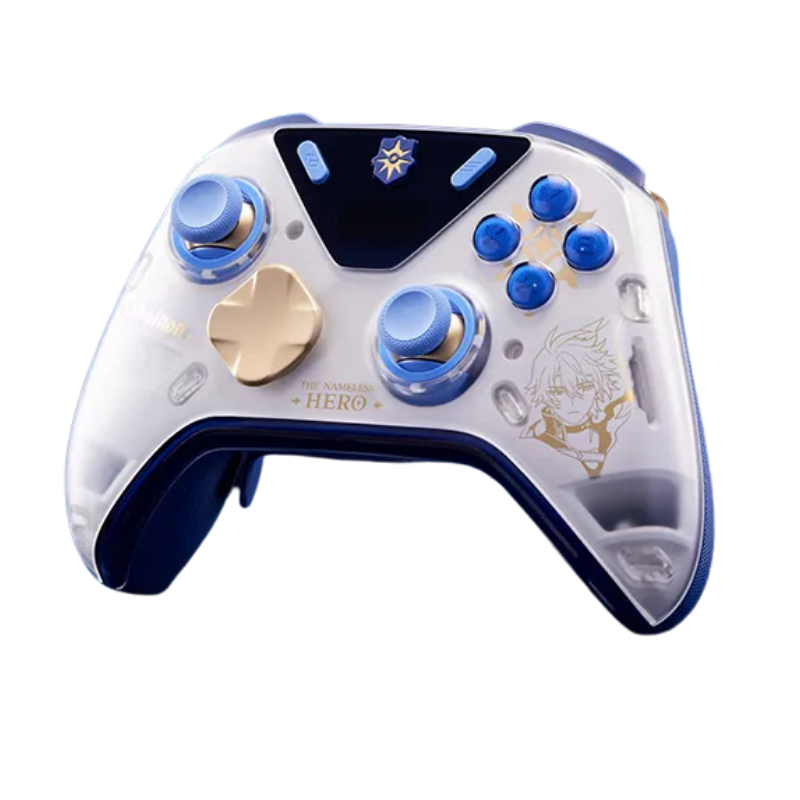
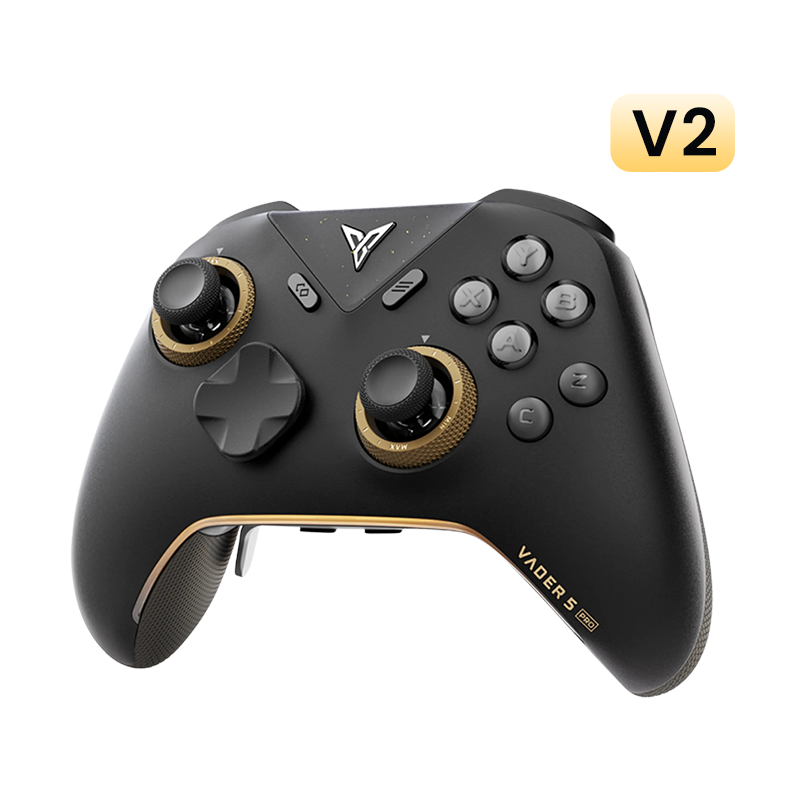
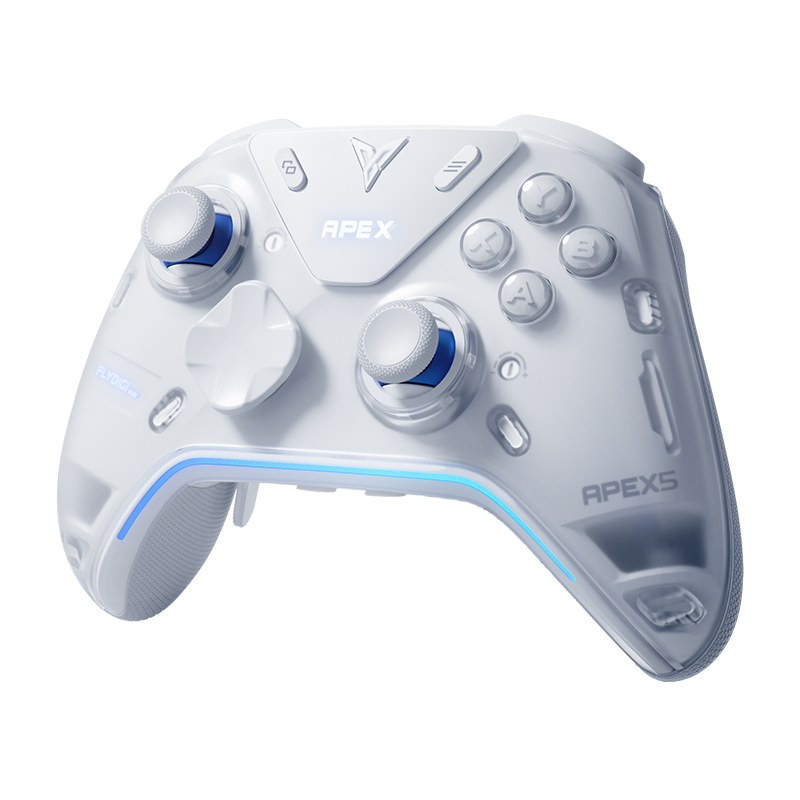
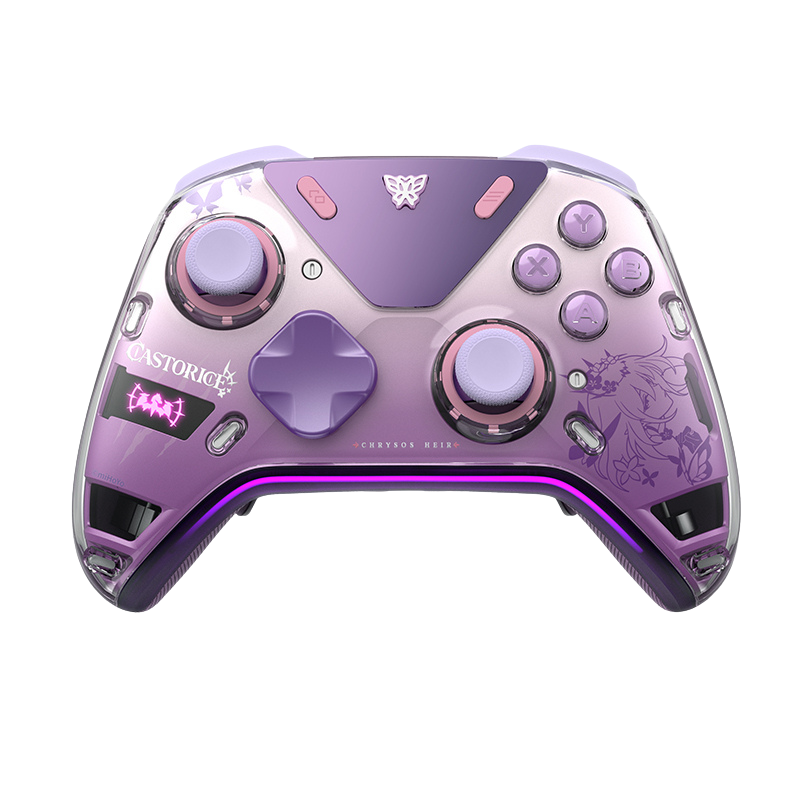
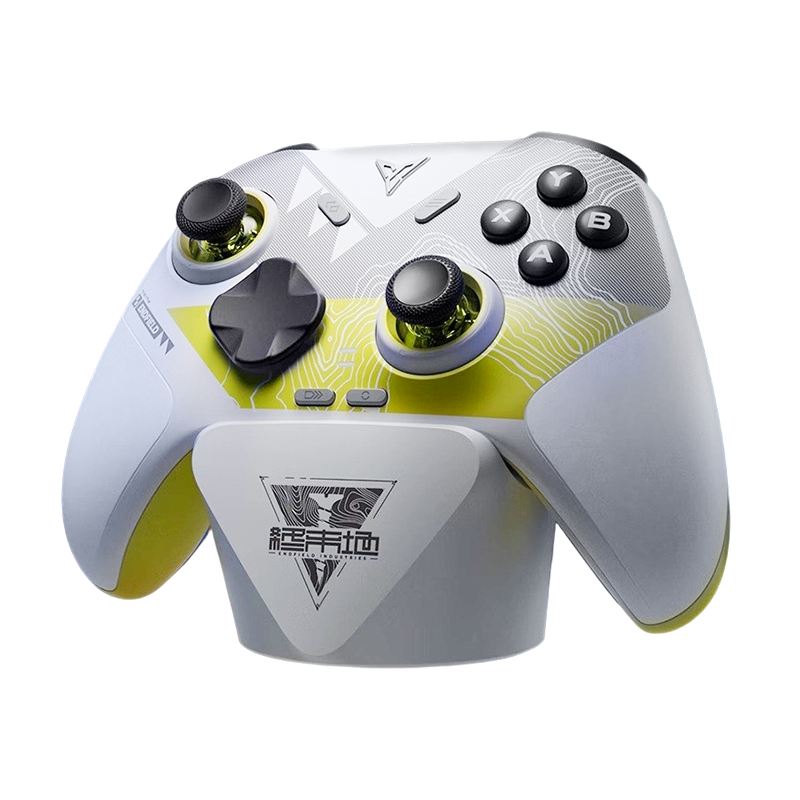
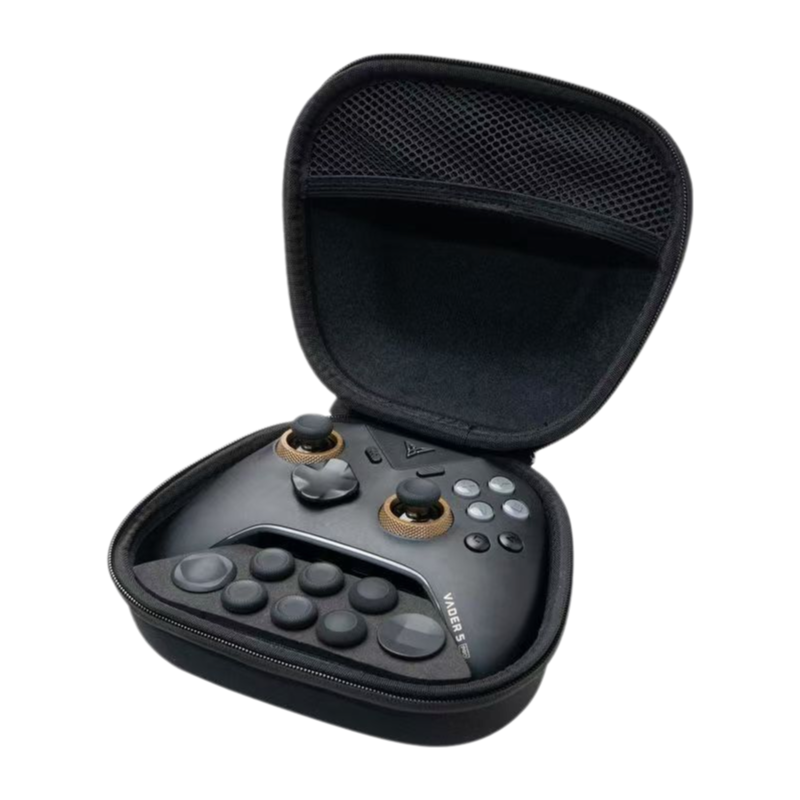
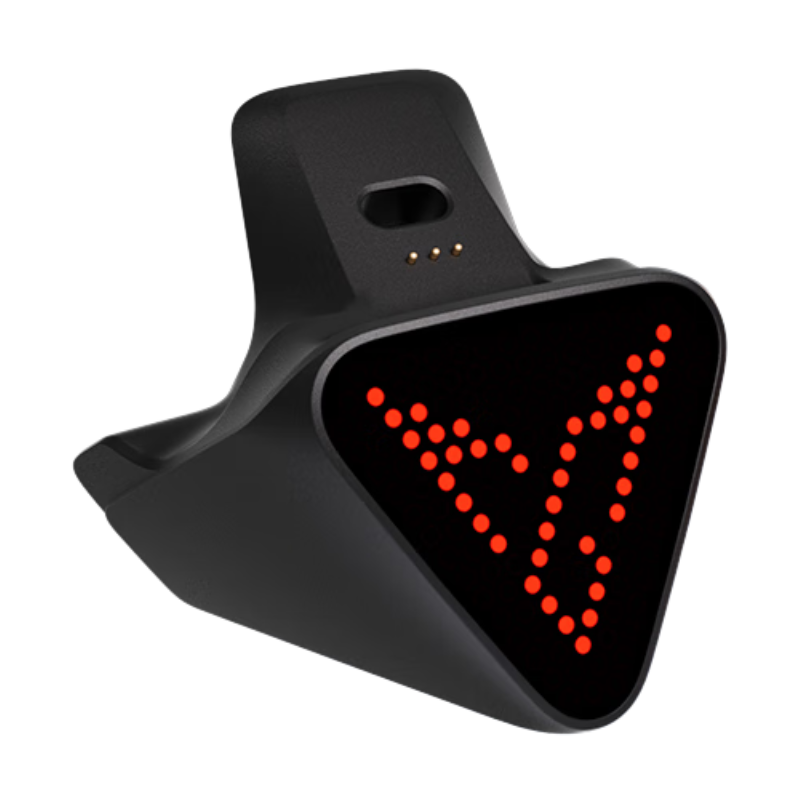
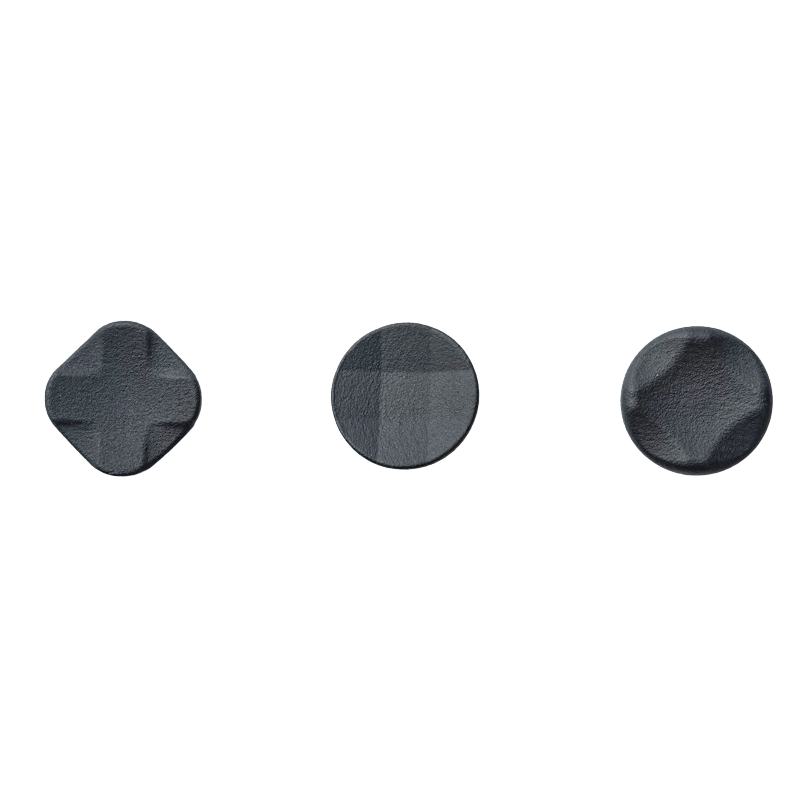
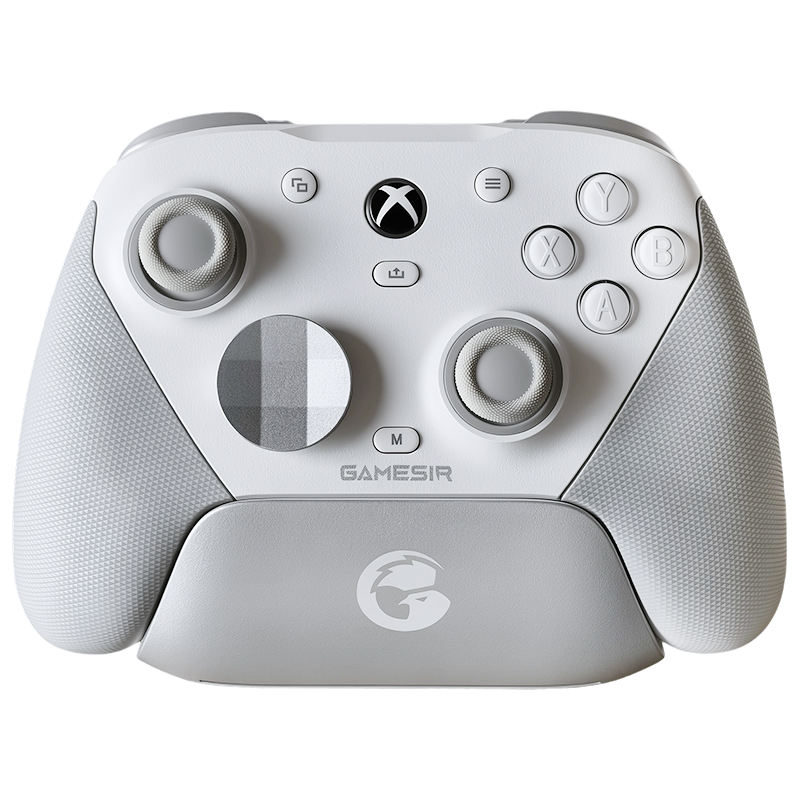
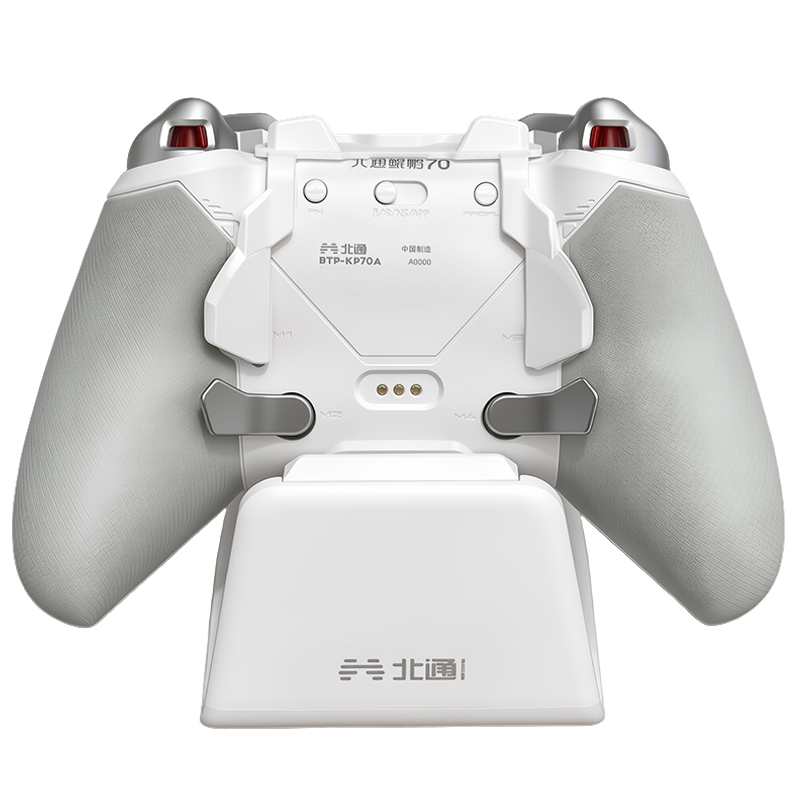
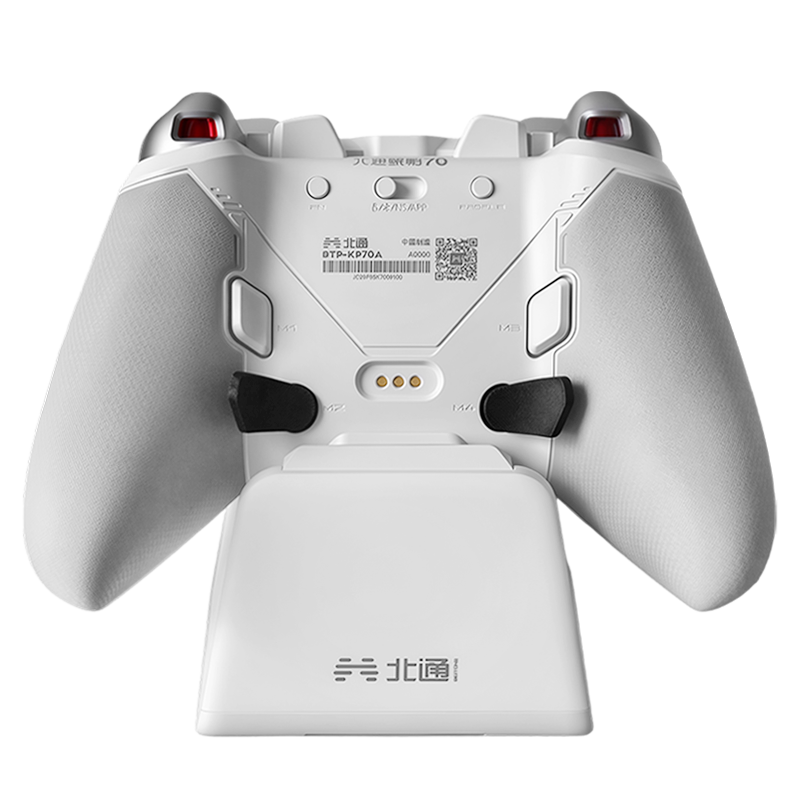
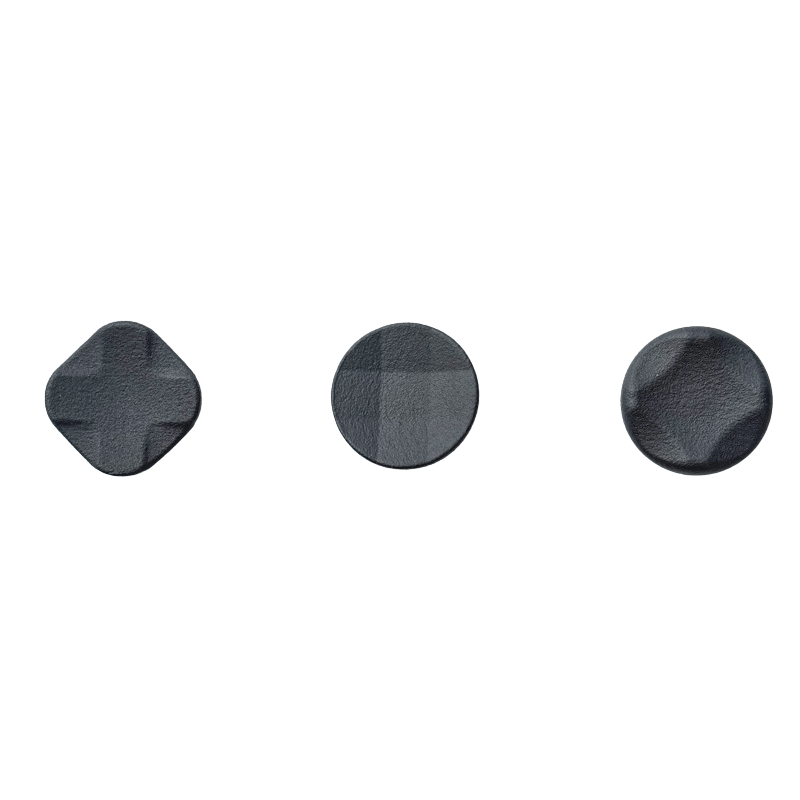
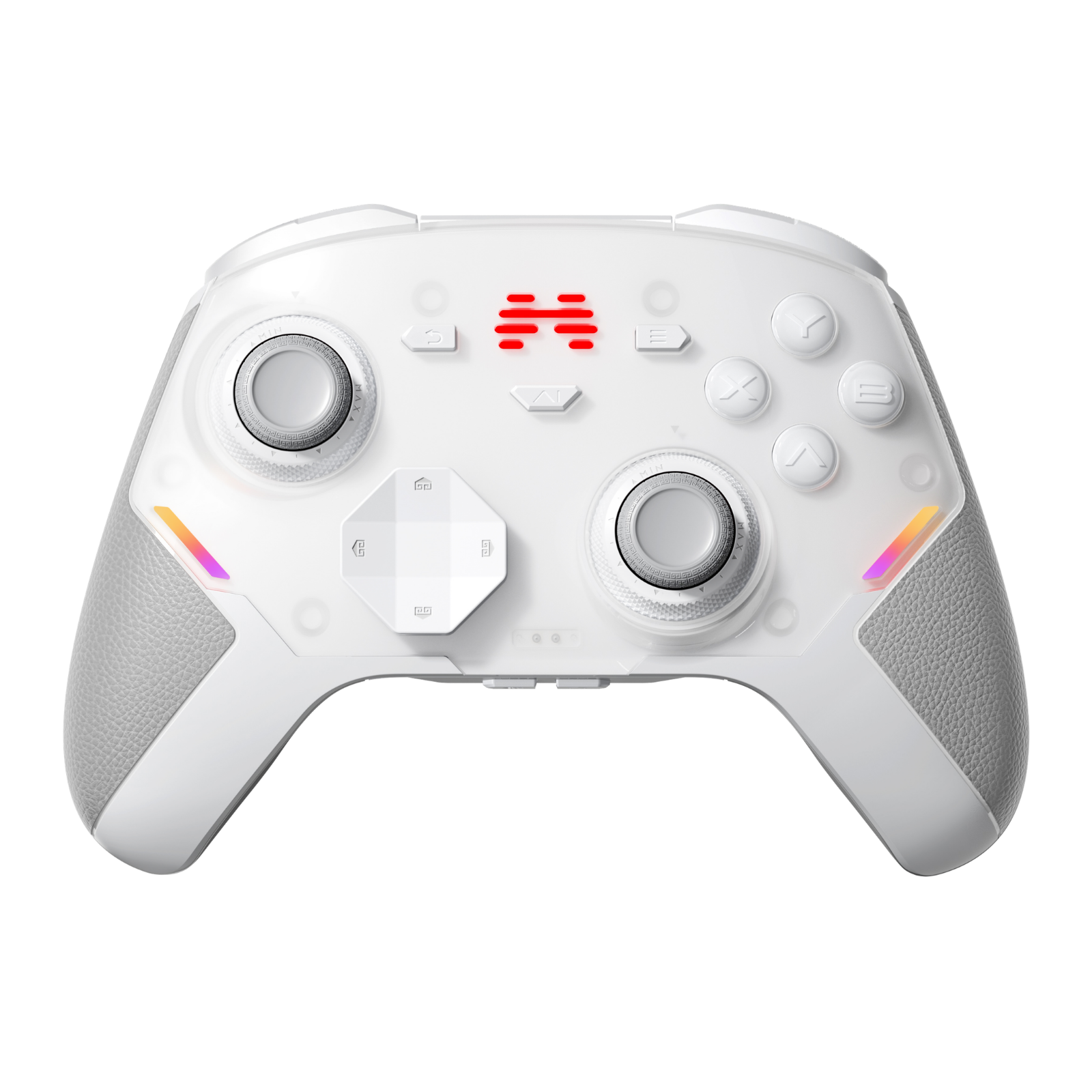
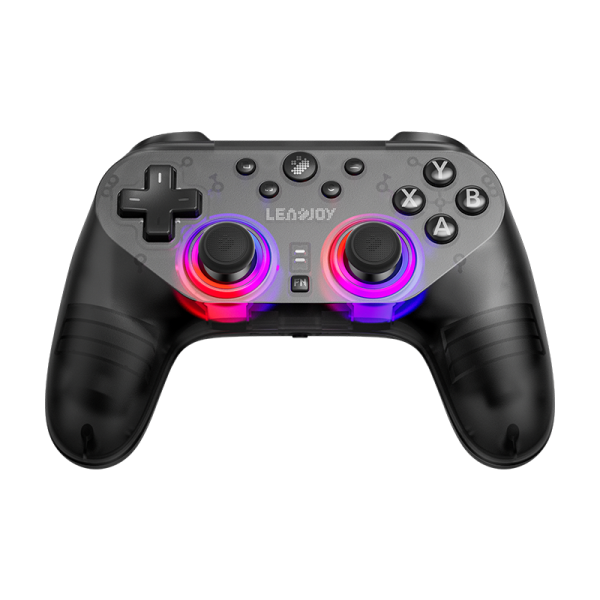
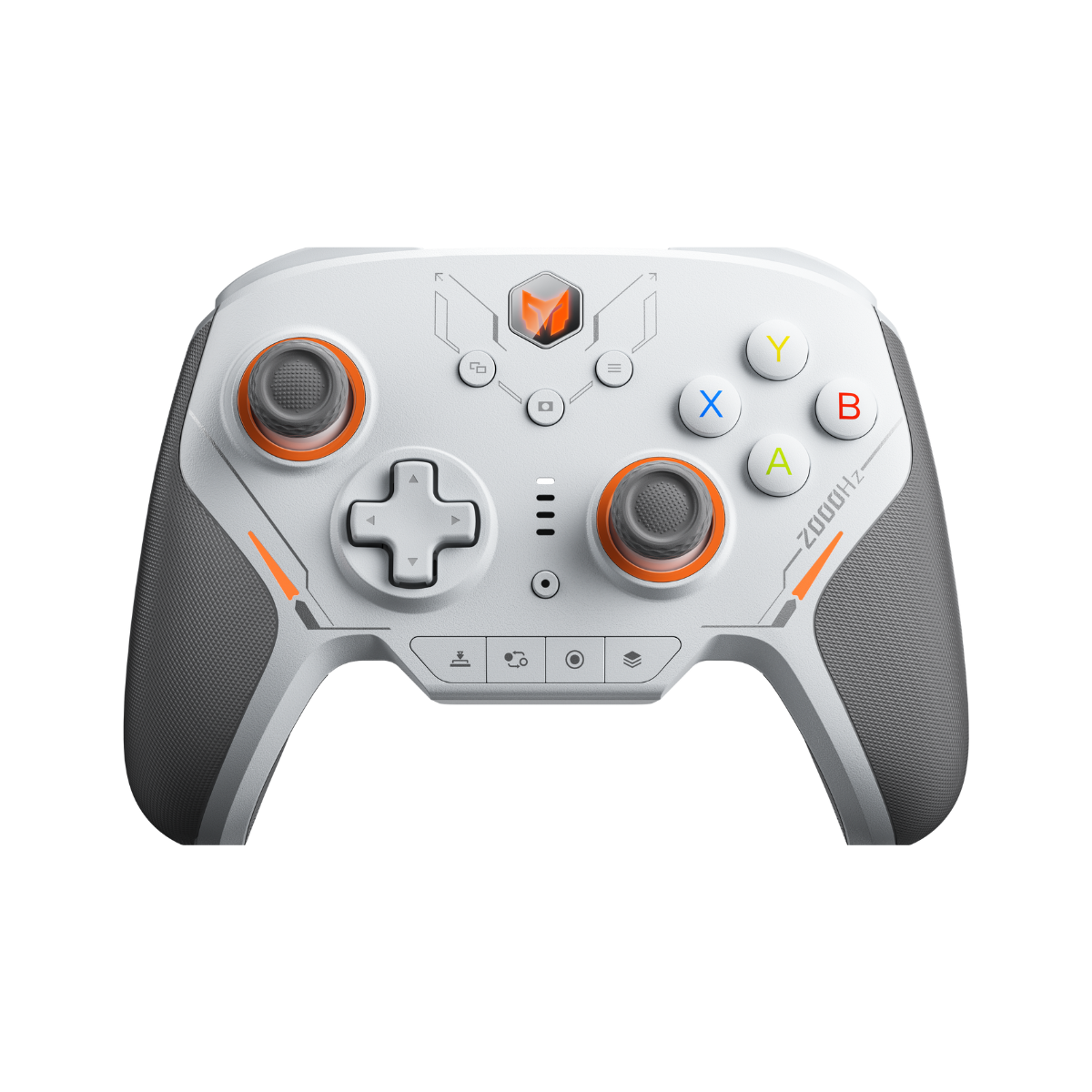
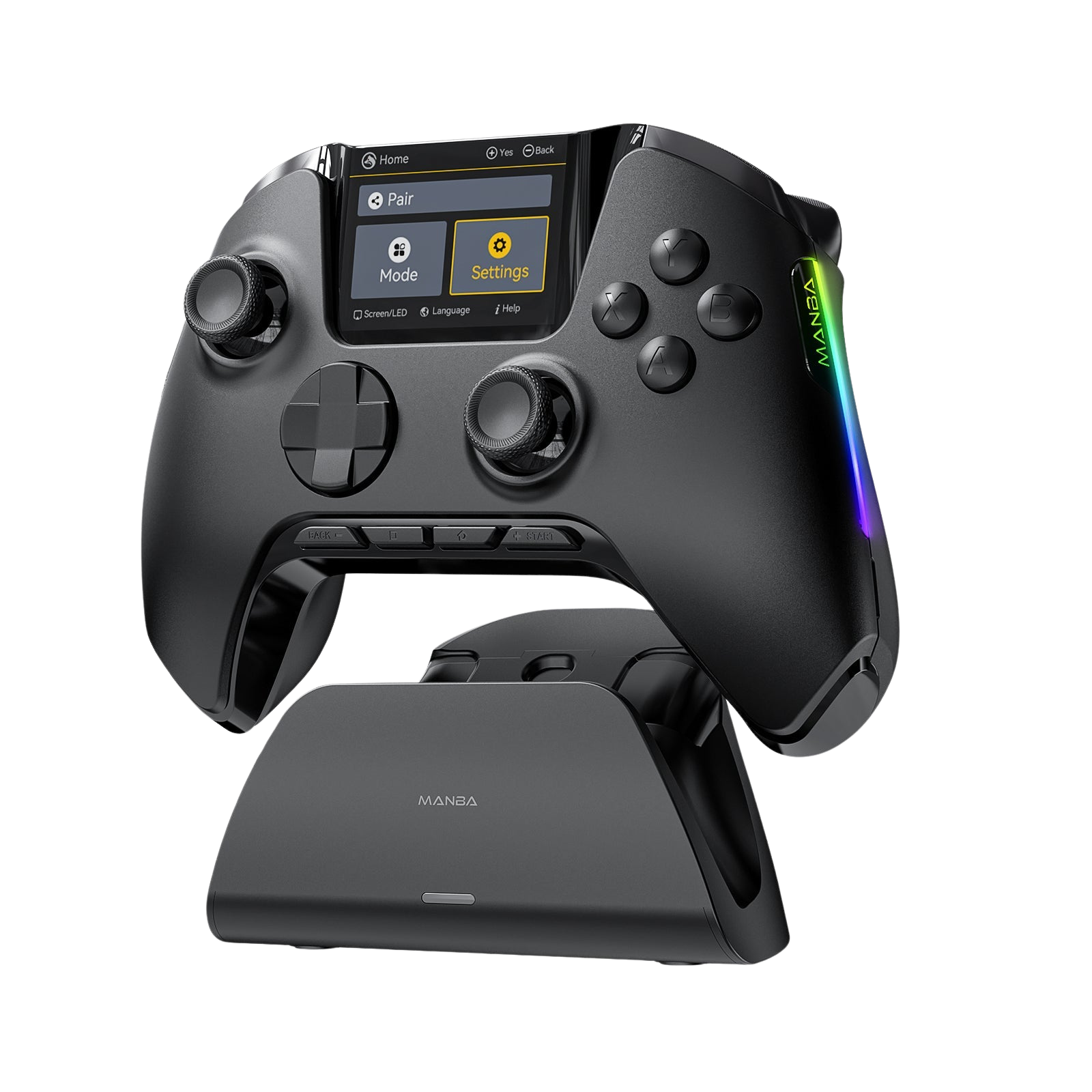
If the A/B flip between platforms drives you as crazy as it does us, you don't have to wait for a USB-C moment that may never come. Software remapping fixes it on most modern controllers — and then there's the hardware route: the Beitong Pangu Modular Gaming Controller ships with swappable ABXY modules in BOTH layouts. Xbox layout for your PC sessions, Switch layout for your Nintendo nights — swap the module and your muscle memory never has to relearn a thing.

Swappable ABXY modules in both Xbox and Switch layouts — one controller, every platform's muscle memory.
$119.99So tell us: which layout raised you — Nintendo right-A, Xbox bottom-A, or PlayStation shapes? And be honest: how many times have you cancelled out of a menu you meant to confirm this month?





Leave a comment
All comments are moderated before being published.
This site is protected by hCaptcha and the hCaptcha Privacy Policy and Terms of Service apply.