






























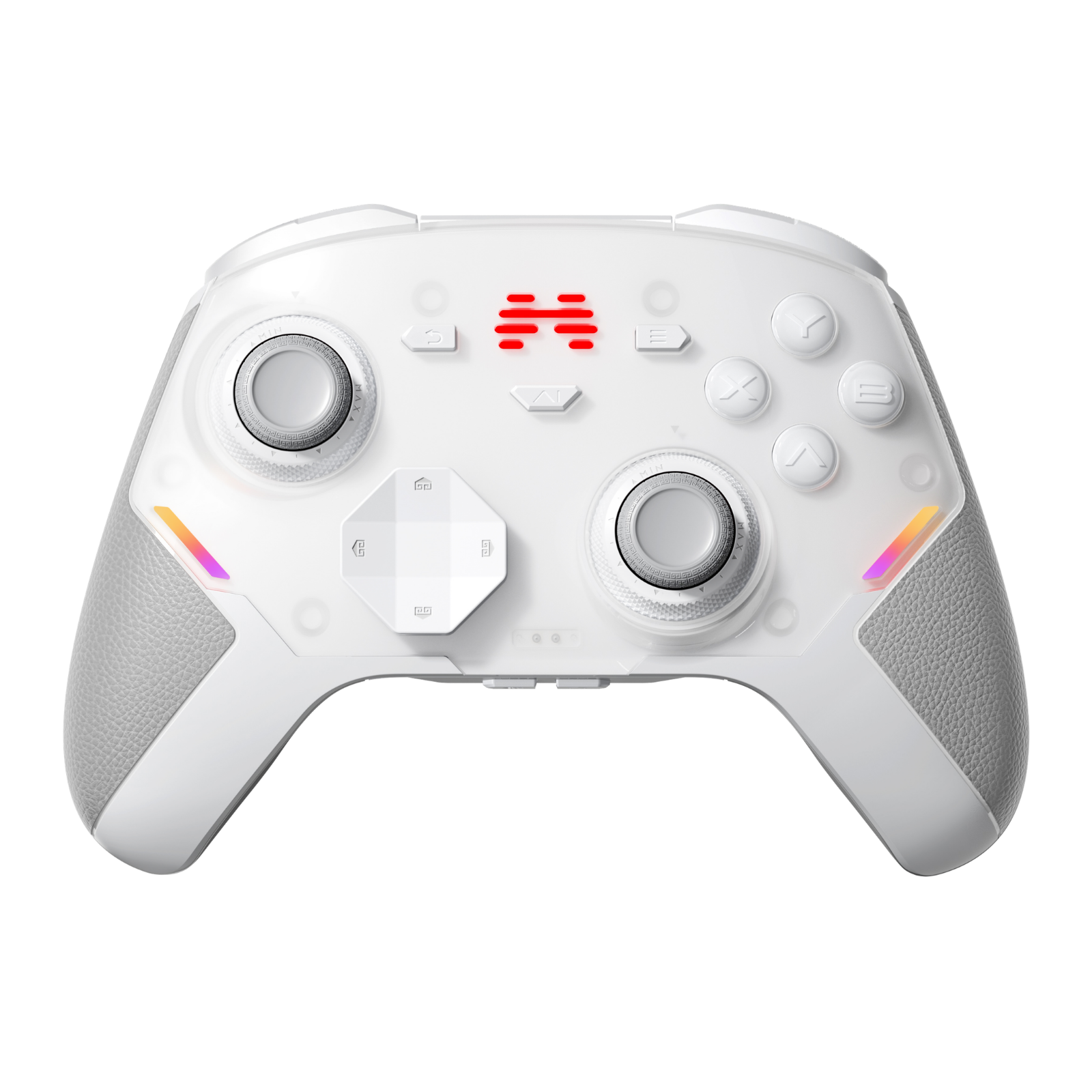
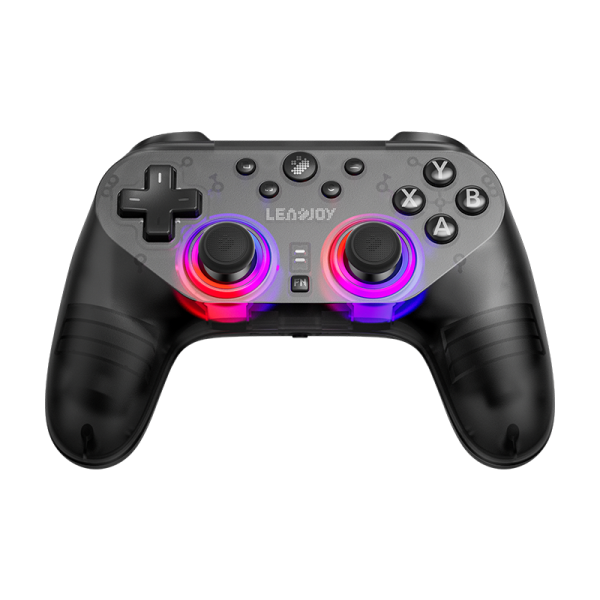
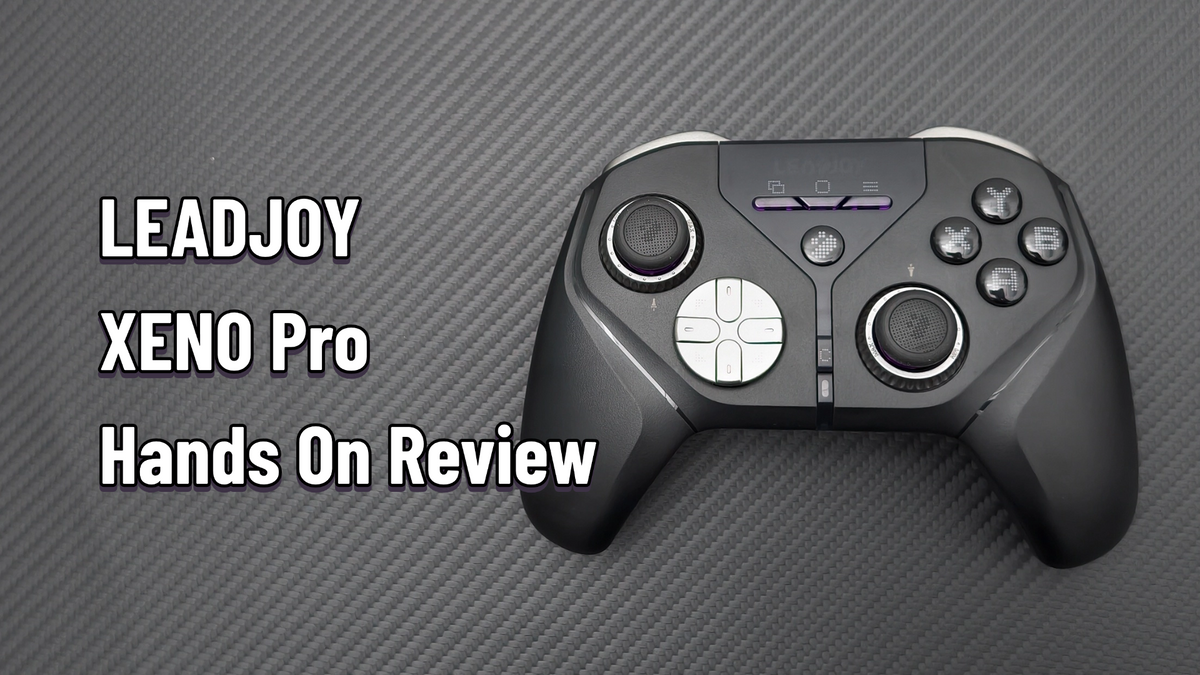
LEADJOY Xeno Pro Hands-On Review: Full Micro-Switch Everything for $69.99
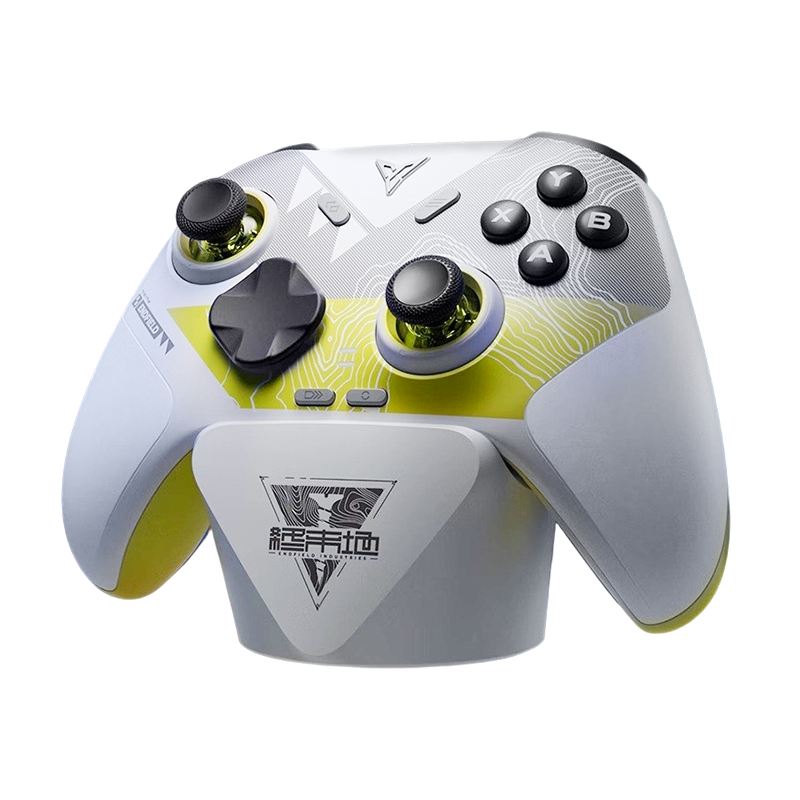
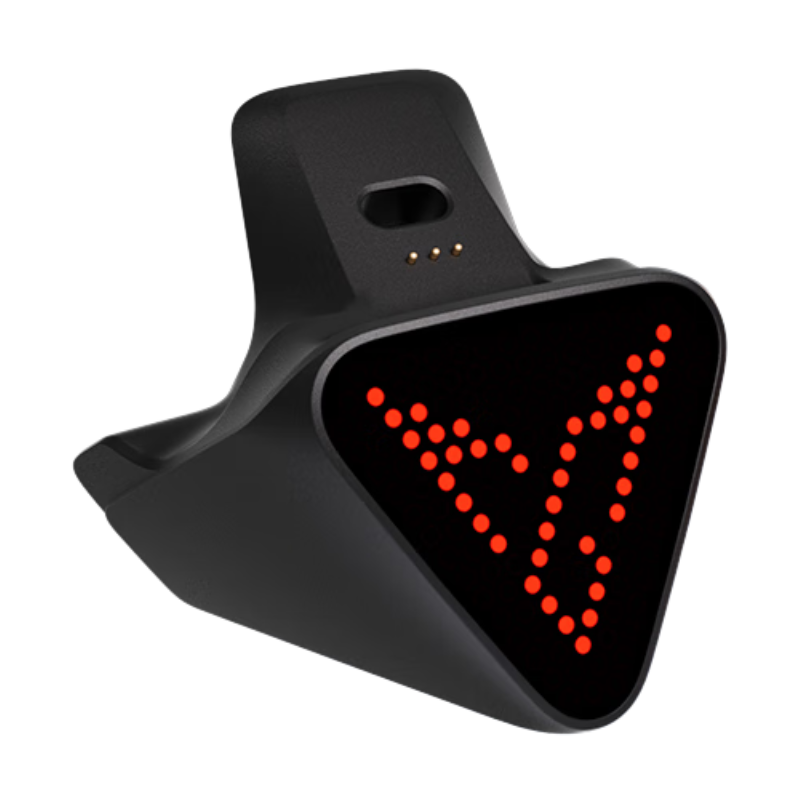
What should a $70 controller get you in 2026? LEADJOY's answer with the Xeno Pro is borderline ridiculous on paper: full micro-switch buttons across the entire controller, dual-mode triggers with vibration, an adjustable-tension TMR stick, 1000Hz polling over both wired and wireless, gyro, and a charging dock in the box. That spec list used to cost twice as much.
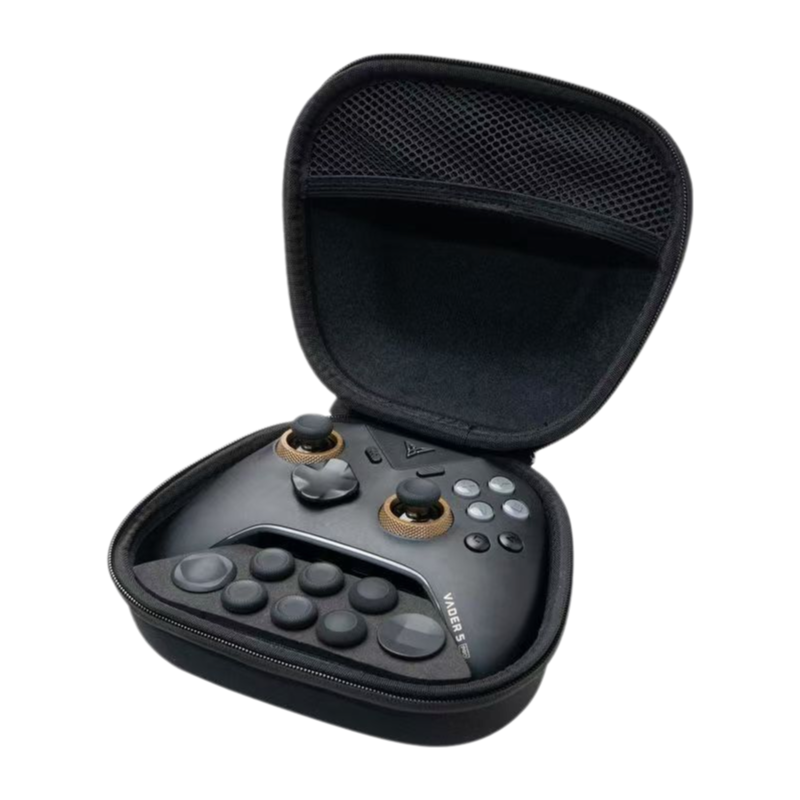
Transparency note: we sell the Xeno Pro at GadgetHyper — $69.99, with the wireless charging dock, 8K cable, and 2.4GHz receiver included. So instead of a "should you buy it" verdict, here's what it genuinely does well and where it falls short, based on our hands-on time. First impressions, not a long-term durability report.
The good: 16 micro switches tuned to a remarkably consistent ~90 gf across the whole controller, an adjustable-tension TMR stick that finally works for FPS players, four motors with instant-stop, and real 1000Hz polling — with a charging dock in the box.
The bad: the shoulder buttons run light and soft at the outer edge, the adjustable stick trades a whisper of sensor precision, and the micro D-pad's travel is short.
Bottom line: at $69.99, nothing else we've tested comes this close to flagship feel.

LEADJOY Xeno Pro
$69.99Full micro-switch everything — with the wireless charging dock in the box.
What It Is (and How It Relates to the Xeno Plus)
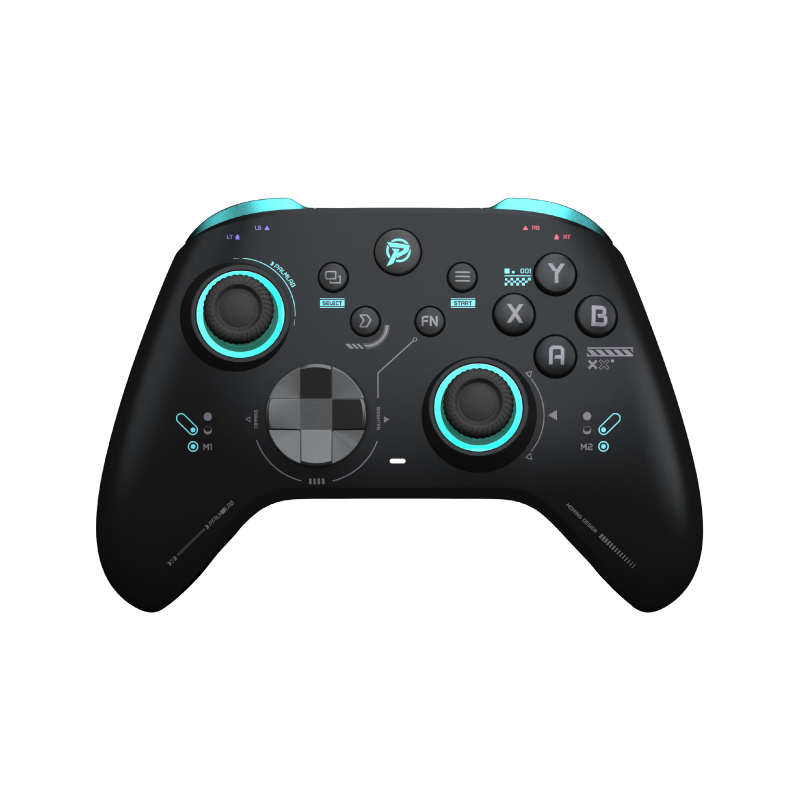
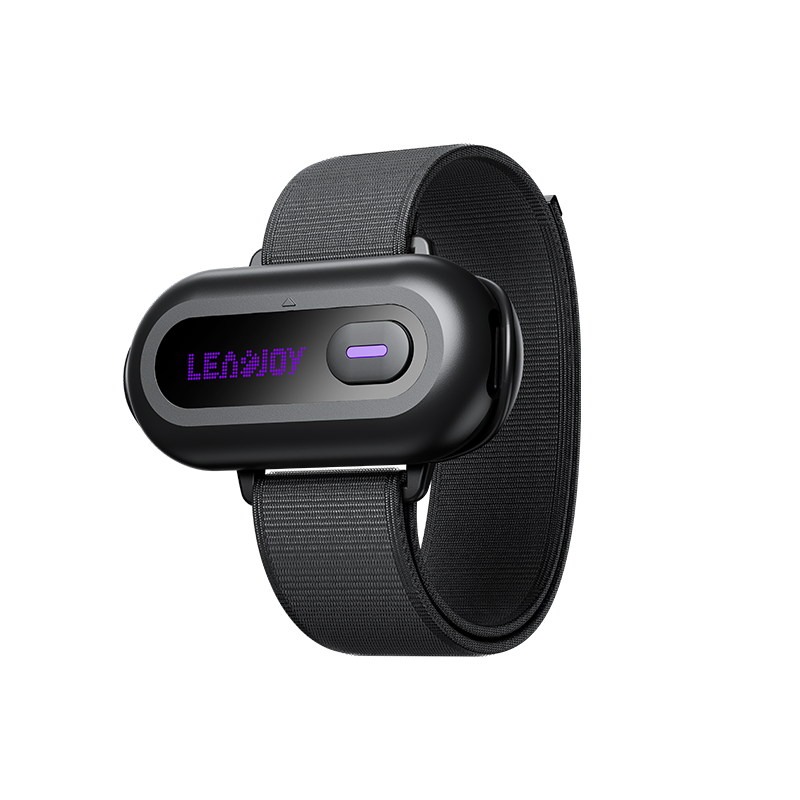
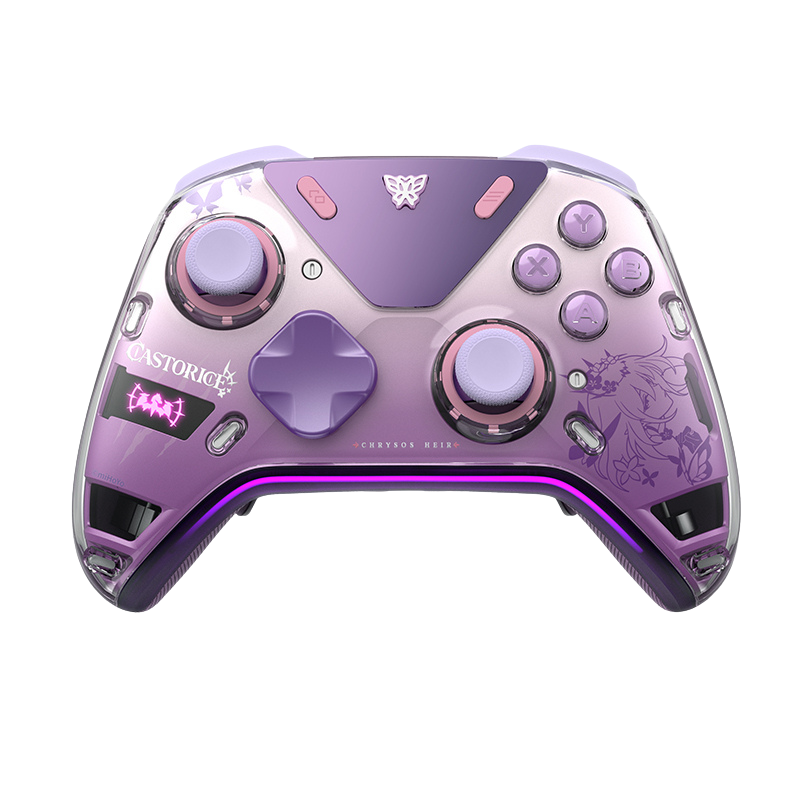
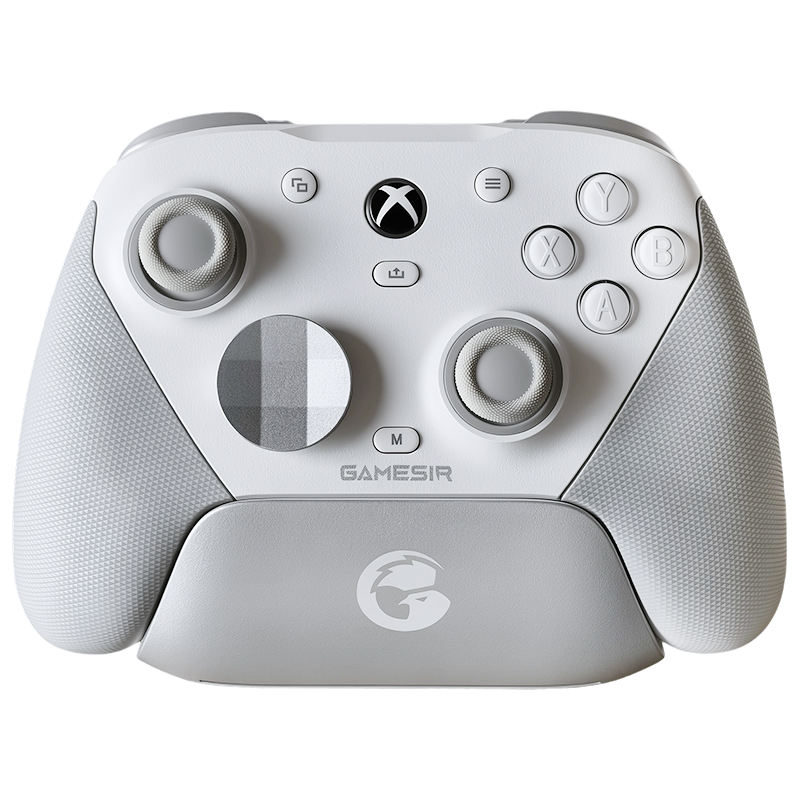
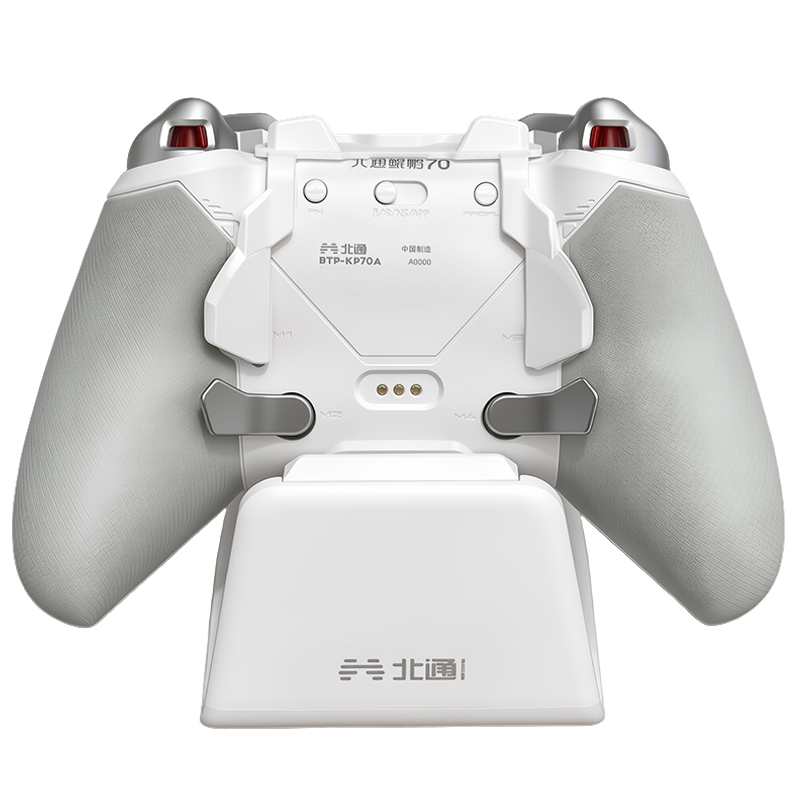
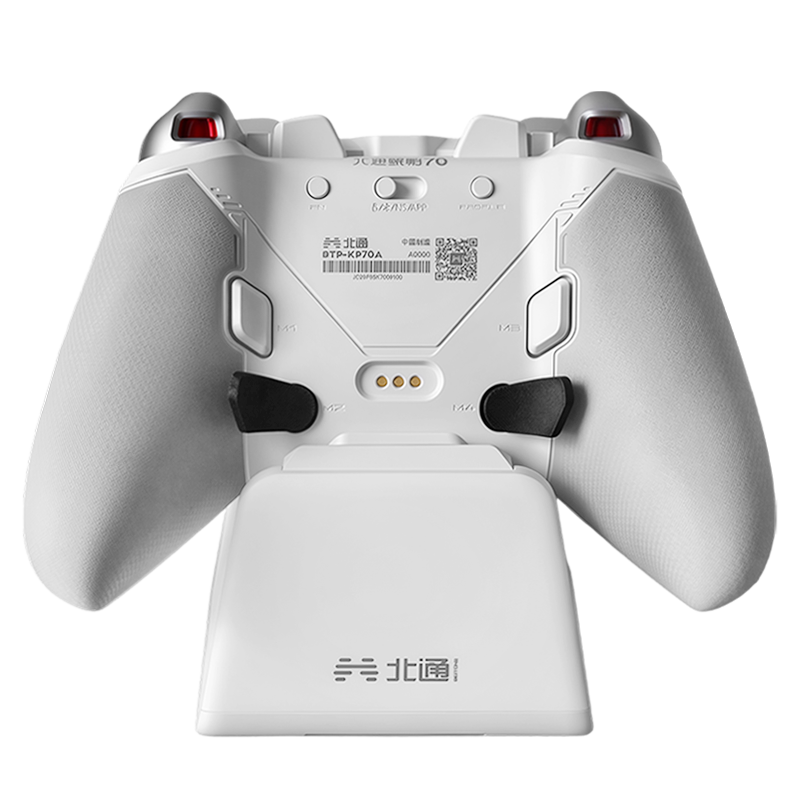
The Xeno Pro is the upgraded sibling of the Xeno Plus — same compact mold designed for small-to-medium hands, same black-and-purple styling with the dot-matrix front panel, same four back buttons, and still a very manageable ~241g (barely 10g heavier than the Plus, and you won't feel it). If you've held a Plus, your hands already know this controller.
The Pro upgrades three things: the switches, the stick, and the motors. We'll take them one at a time, because each one is genuinely interesting.
Full Micro-Switch — and, More Importantly, Consistent Micro-Switch
The Xeno Plus mixed micro switches (ABXY) with light-touch switches (D-pad, shoulders, inner back buttons). The Pro goes all-in: 16 micro switches covering ABXY, D-pad, both shoulder buttons, all four back buttons, and the triggers' micro mode.
Micro switches are crisper and far less prone to missed inputs than light-touch switches — but here's the part most brands get wrong: consistency. Plenty of "full micro-switch" controllers pair 60 gf face buttons with 100 gf shoulders and a 130 gf D-pad, so every zone of the controller feels like a different instrument. LEADJOY clearly obsessed over this: outside of the triggers, actuation force across the whole controller lands within a few grams of ~90 gf.
Down from ~120 gf on the Plus.
Fast and clean for fighting-game inputs.
Near the hinge; ~50 gf at the outer edge.
Pressed downward, as expected.
Tuned lighter — you push these inward.
In practice: fighting-game inputs are fast and clean, ability-spam in ARPGs feels uniform no matter which finger you use, and the whole controller has a "one instrument" coherence that's rare at any price. LEADJOY also listened to Plus owners — ABXY dropped from ~120 gf on the Plus to ~90 here, and the shoulder texture that drew complaints for being rough has been re-done.

An Adjustable-Tension Stick That Actually Works for FPS
The idea of an adjustable-tension stick isn't new, but most attempts have failed FPS players — either center-press deflection ruined your aim, or the mechanism made the stick too slippery to control. The Xeno Pro swaps the Plus's JS13 Pro stick for a Ginfull KT26 TMR unit with a geared tension ring around the base.
The ring turns smoothly with clear stepped feedback — each click is roughly 2.5 gf — across an official 40–80 gf range (our measurements actually got from ~35 gf to ~90 gf, slightly wider than advertised). No tools, no faceplate removal, no app: you just twist the ring. And because the stick ships with zero center deadzone and excellent calibration, centering stays crisp across the whole tension range.
Why you'd care: for Apex or COD, dropping to ~40–50 gf keeps micro-adjustments and tracking light on the thumb over long sessions. For AAA action games, 60–80 gf gives movement a planted, deliberate feel with fewer accidental nudges. For racing, higher tension genuinely helps hold a steering arc. One stick, three personalities.
The honest trade: on pure sensor precision, the KT26 is a hair behind the JS13 Pro it replaces — LEADJOY doesn't hide this. In actual play we couldn't feel the difference; the tension adjustment pays back far more than the spec-sheet delta costs. There is a small amount of center-press deflection if you really bear down on the stick, but unless you death-grip your controller, it won't touch your aim.

Four Motors with Instant-Stop
The Plus had two grip motors, well tuned. The Pro adds two trigger motors — small rotor units — plus an instant-stop circuit across the board.
Instant-stop deserves a quick explanation: a normal motor winds down gradually after a "stop" command, smearing the tail of every vibration. With the circuit, vibration cuts almost immediately. In racing games that means the trigger rumble dies the instant you lift off the throttle, like a real pedal; in shooters, recoil pulses stay tight and separated instead of blurring together.
You also get independent intensity control for grips vs triggers in the software, and the trigger haptics can either follow the game's native trigger-vibration signal or mirror the grip motors. If you'd rather have no vibration at all, everything can be switched off. It's a thoughtful, very adjustable setup — not DualSense-tier sorcery, but easily the best vibration you'll find near this price.

Real 1000Hz, Real Numbers
Both wired and 2.4GHz wireless run at a true 1000Hz polling rate. Measured average latency:
Average latency at 1000Hz.
Average latency at 1000Hz.
Average latency, wireless dongle.
Average latency, wireless dongle.
The wired numbers are excellent — genuinely competitive-controller territory. The wireless numbers are fine rather than spectacular, and in real matches we never caught ourselves thinking about them. Bluetooth and a 1000mAh battery round out the connectivity, with PC, Switch, iOS, and Android support.
Still Top-Tier
LEADJOY's software was arguably the best in the business at this price, and the Pro inherits all of it: full remapping to controller/keyboard/mouse values, 500-step macros, turbo, stick deadzone and compensation controls, 8-point custom curves, and the AI Smart Stick Curve — the system that reads a game's built-in response curve and generates a counter-curve, so every game can share one consistent stick feel. The gyro is similarly deep: native or simulated modes, mapping to stick/buttons/mouse, with sensitivity curves and deadzone compensation.
It's the rare companion app that feels like it was designed by people who actually play competitively.

What We Don't Love
Keeping it honest:
- The shoulder buttons are light. The micro switch sits off-center inside the bumper, creating a slight seesaw: the outer edge actuates at only ~50 gf and feels soft. Retail units are firmer than early production samples, and we adapted within a few days — but if you rest heavy fingers on your bumpers, expect a learning curve (and the occasional premature shot).
- The KT26 trades a whisper of precision for its adjustability, as covered above.
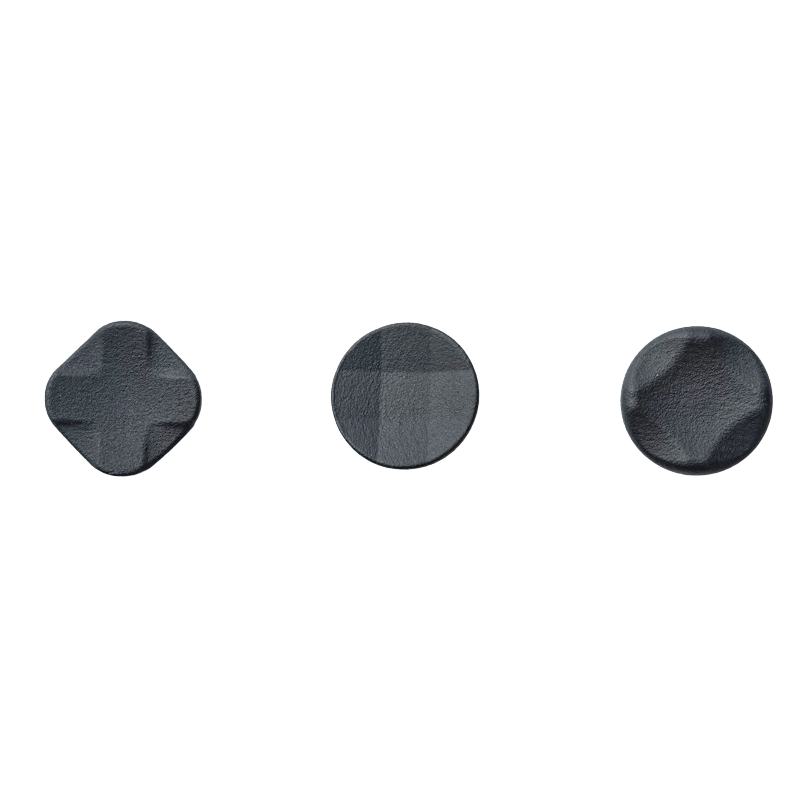
- The micro D-pad's travel is short. Great for speed; if you love a deep, rolling D-pad press, it's an adjustment.
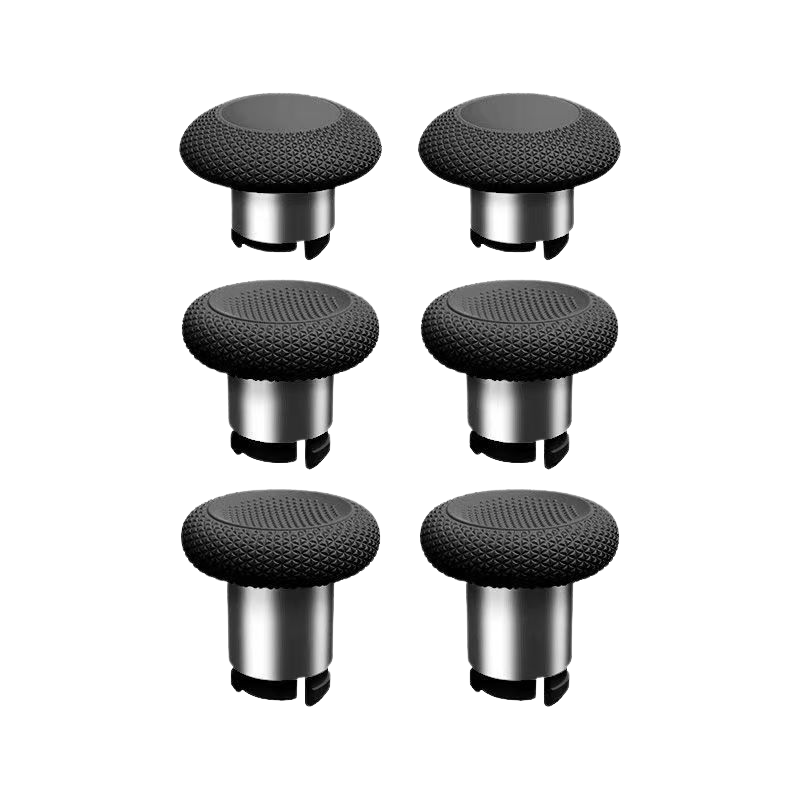
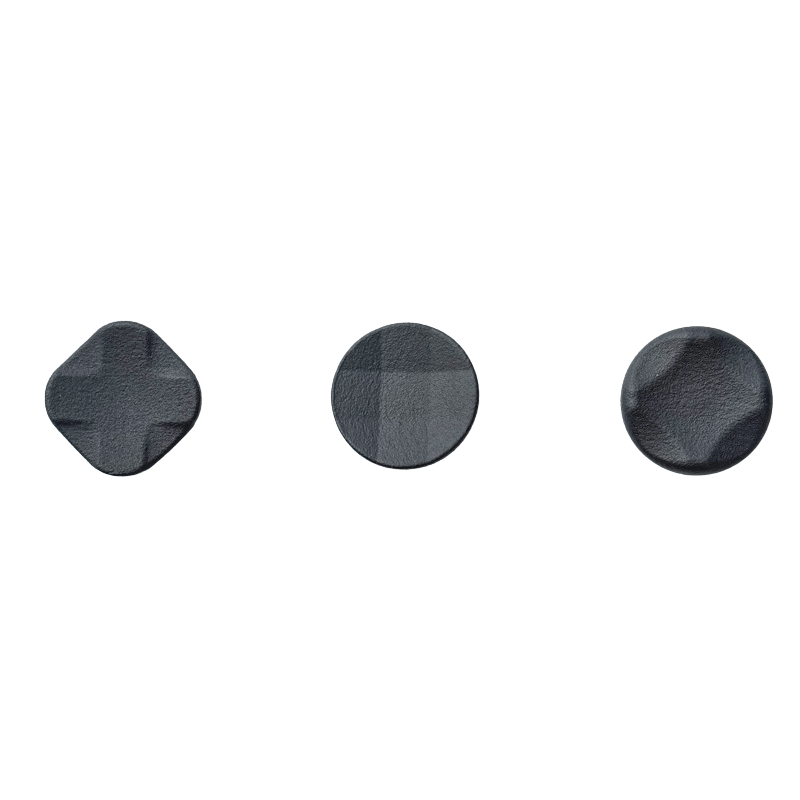
- The included high-friction rubber stick caps are outstanding for grip but they attract dust and wear over time — normal for this material, and replacements exist.
Xeno Pro vs Xeno Plus: Quick Version
Same mold, same software, same polling rate. The Plus ($59.99) keeps the slightly more precise JS13 Pro stick and light-touch switches in several positions; the Pro ($69.99, dock included) gives you full consistent micro-switches, the adjustable-tension stick, and trigger vibration. If you're a pure FPS minimalist who prizes that last percent of stick precision, the Plus remains a smart buy. For everyone else, the Pro's upgrades touch literally every button press and every game you play — it's the better all-rounder, and the one we'd put in most hands.
Flagship Feel, $70 Price
The Xeno Pro doesn't feel like a $70 controller. It feels like LEADJOY took a list of everything players complained about on the Plus — heavier-than-needed ABXY, light-touch leftovers, no trigger rumble — and methodically fixed every line item, then threw in an adjustable stick for good measure. It's not flawless: the shoulders are the one real compromise. But at $69.99 with a dock in the box, nothing else we've tested comes this close to flagship feel.







Leave a comment
All comments are moderated before being published.
This site is protected by hCaptcha and the hCaptcha Privacy Policy and Terms of Service apply.